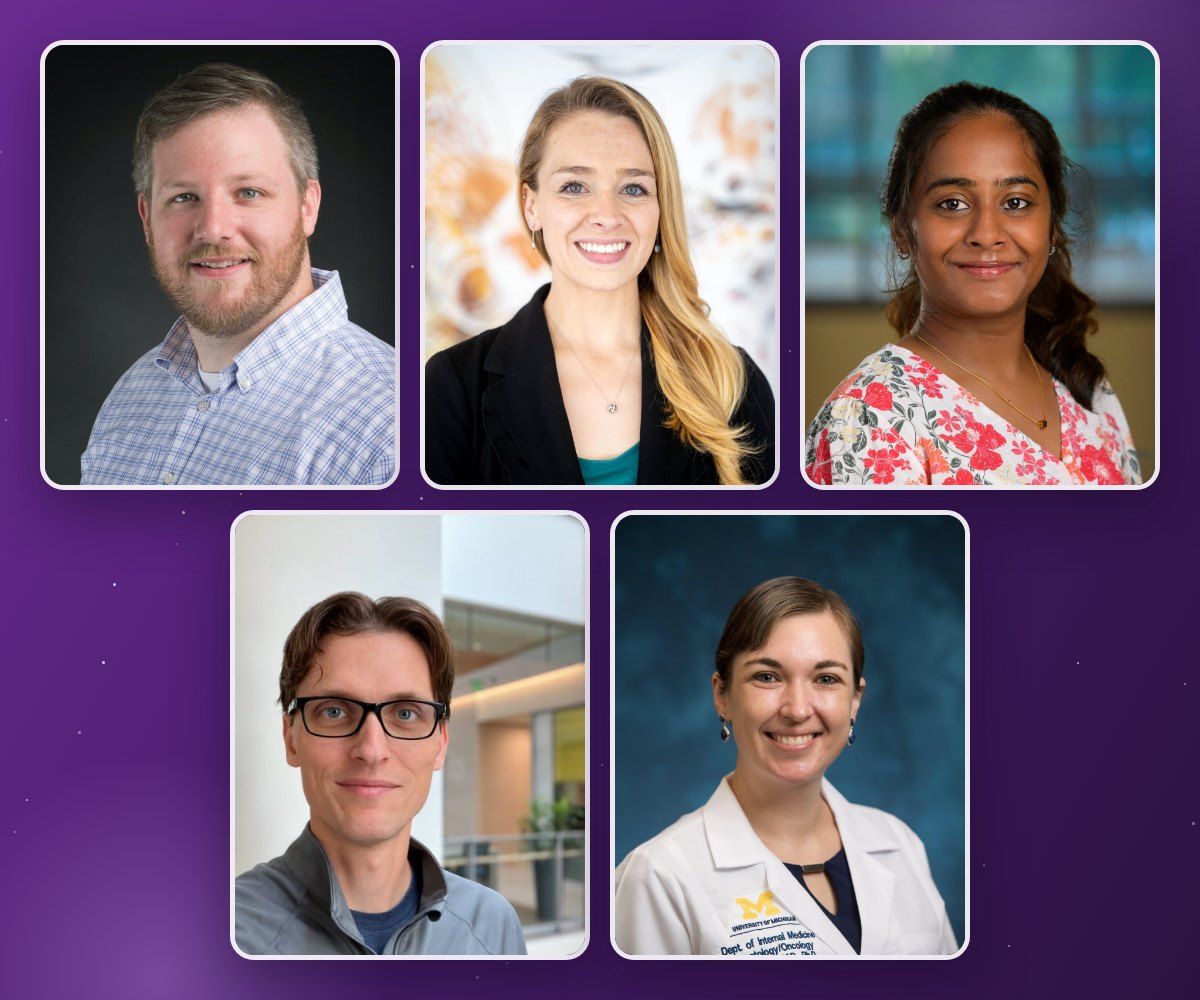




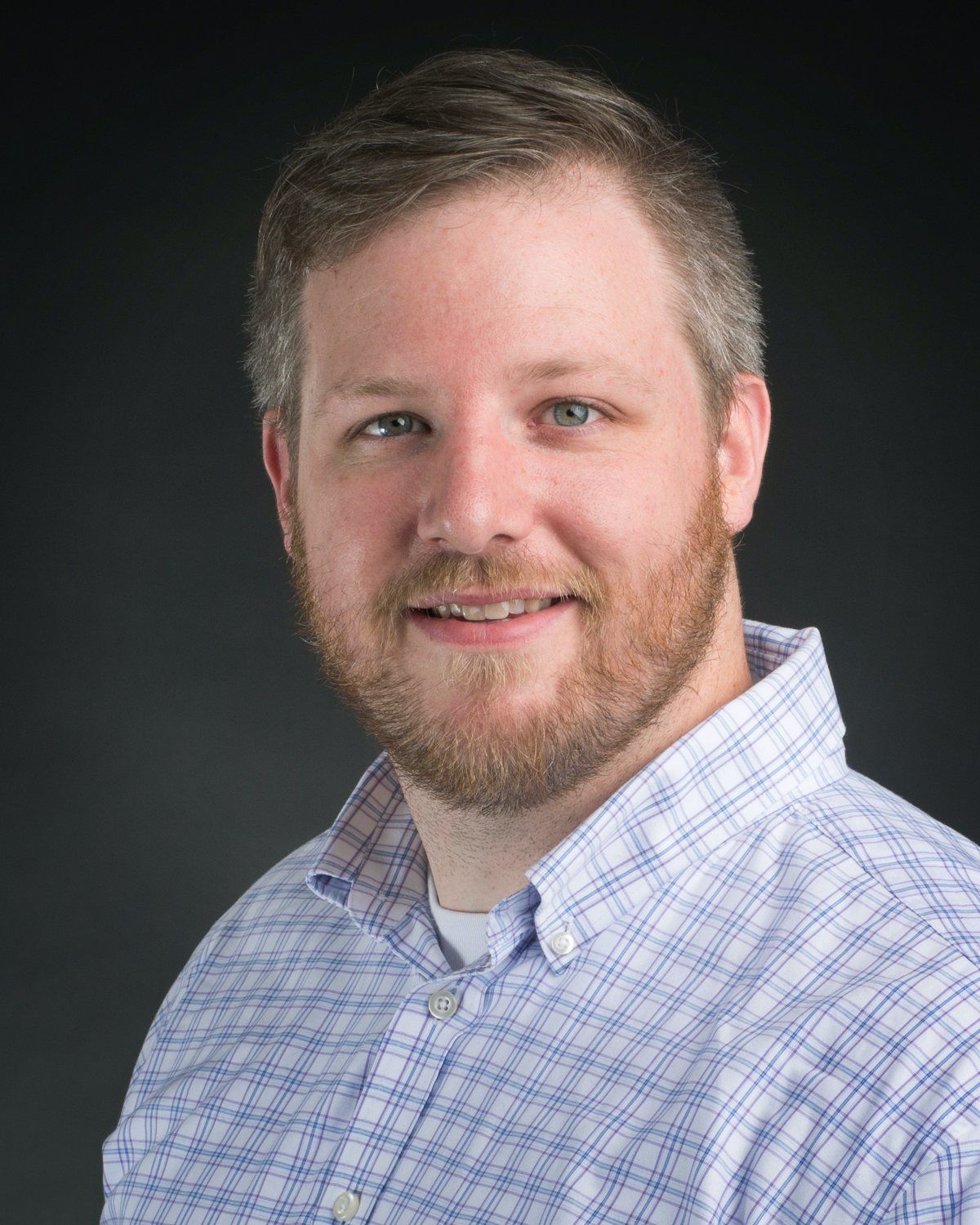

Jonathan Diedrich, PhD
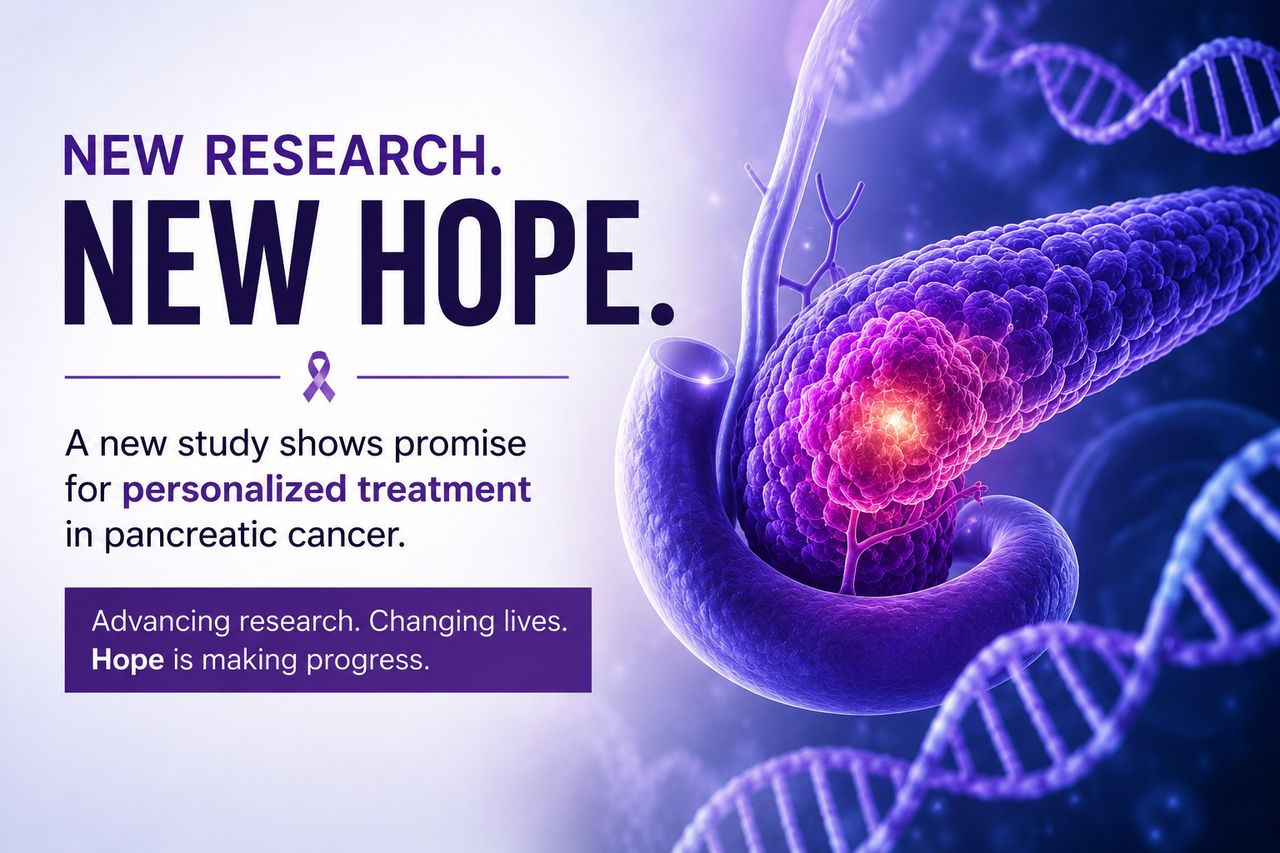
KRAS mutations drive the majority of pancreatic cancers, but different KRAS mutations are often treated as if they were the same. Current evidence suggests they are not. Dr. Diedrich's laboratory uses pancreatic cancer cells engineered to be genetically identical except for their specific KRAS mutation. With this model, the team can see how each mutation sends its own signals and reshapes gene activity, metabolism, cell behavior, and morphology.
In this project, the lab will combine multi-omic and high-content imaging approaches to build a side-by-side picture of how each KRAS mutation rewires pancreatic cancer cells. These approaches profile genome accessibility (ATAC-seq), gene expression (RNA-seq), cell shape and structure (Cell Painting), and nutrient use (¹³C-glucose tracing and Seahorse XF analysis). The goal is to find weak points specific to each mutation that could be targeted with existing or new drugs. As KRAS inhibitors and other precision treatments advance, this work aims to help match each patient with the therapy most likely to work against their tumor's mutation.
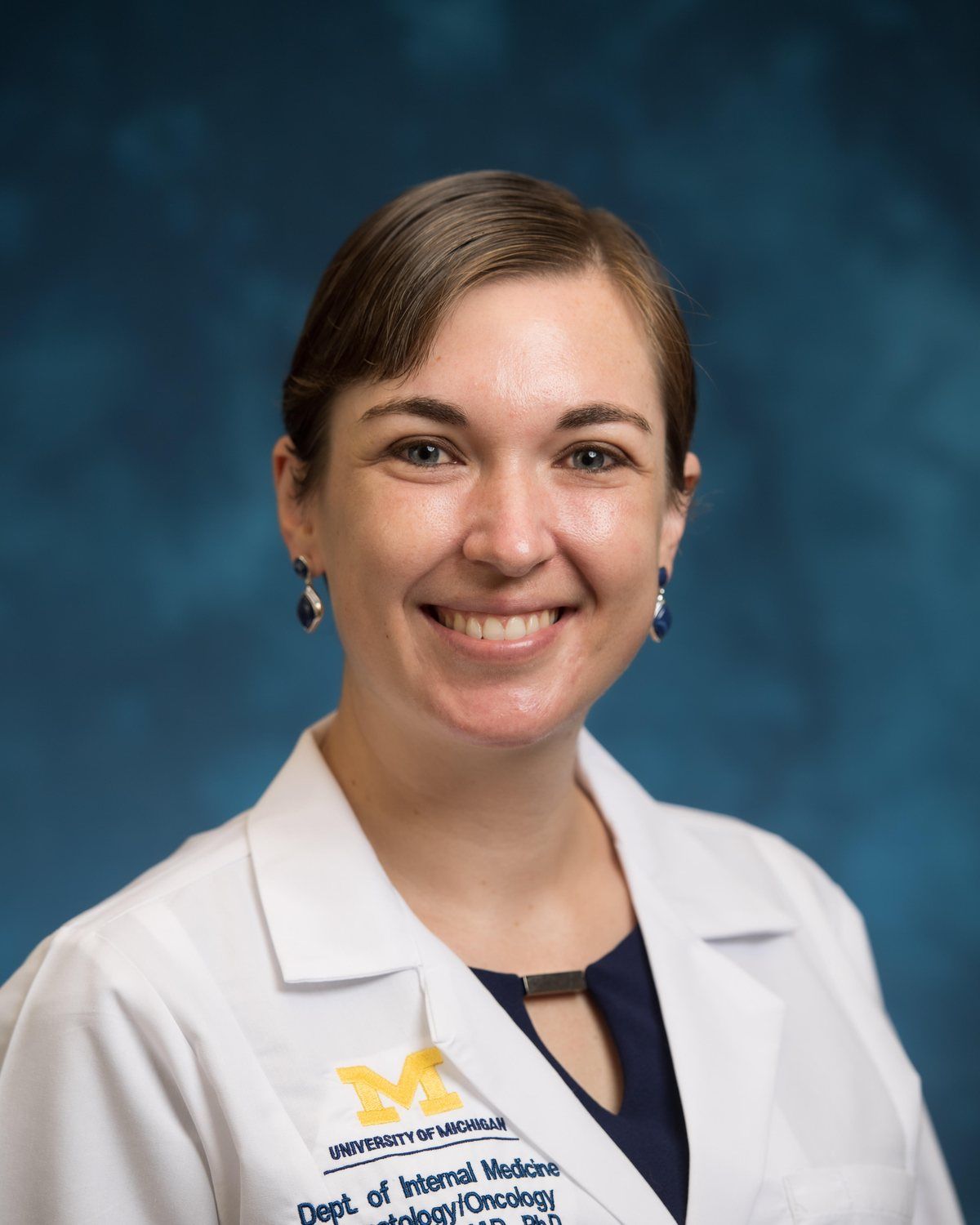
About Dr. Diedrich
Dr. Diedrich earned his BS in Zoology from Michigan State University and his PhD in Cancer Biology from Wayne State University, where he studied the links between obesity, metabolism, and cancer. He then completed postdoctoral training at St. Jude Children's Research Hospital. There, he focused on pharmacogenomics, integrating multi-omic approaches and functional CRISPR screens to identify genes and regulatory elements associated with drug response and resistance in pediatric acute lymphoblastic leukemia. His work helped show that genetically distinct subtypes of leukemia are wired differently at the level of chromatin and gene regulation, and that these differences can shape how patients respond to treatment.
He is currently an Assistant Professor at Michigan State University, where he is applying this expertise to pancreatic cancer. He is building a multi-omic and functional atlas of KRAS mutations in pancreatic cancer in collaboration with Dr. Thomas McFall of the Medical College of Wisconsin, a close friend from his graduate school cohort at Wayne State. Together, they aim to understand how each mutation changes cancer cell behavior and to find mutation-specific therapeutic vulnerabilities. Having grown up in Michigan, Dr. Diedrich is proud to return to his alma mater and is driven by a commitment to ensuring that advances in precision medicine reach every patient with pancreatic cancer.