




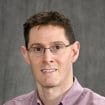
Scott A. Gerber, PhD
Novel neoadjuvant therapy for resectable pancreatic ductal adenocarcinoma (PDAC) patients
Dr. Gerber’s laboratory has developed a combined therapy: stereotactic body radiotherapy (SBRT) followed by the immunotherapy IL-12, delivered locally into the tumor using mRNA technology. Given alongside chemotherapy, radiation or hormone therapy, it is designed to prepare the immune system to protect against metastatic recurrence after the primary tumor is surgically removed.
Future plans are to translate these findings into a clinical trial for PDAC patients who are eligible for surgery.
Dr. Scott Gerber is an Associate Professor in the Department of Surgery and Co-Director of the Center for Tumor Immunology Research at the University of Rochester Medical Center, with appointments in Microbiology/Immunology and Radiation Oncology and more than two decades of experience as a tumor immunologist. He earned his PhD in Immunology at the University of Rochester in 2005, completed a three-year postdoctoral position at Yale University, and then returned to Rochester. Most of his research has focused on new pancreatic cancer therapies, with a particular interest in overcoming tumor-induced immune suppression and making radiotherapy more effective.
Seed grants start at $50,000 — awarded by scientists, reported on annually.
Donate →Scott A. Gerber, PhD
Novel neoadjuvant therapy for resectable pancreatic ductal adenocarcinoma (PDAC) patients
Dr. Gerber’s laboratory has developed a combined therapy: stereotactic body radiotherapy (SBRT) followed by the immunotherapy IL-12, delivered locally into the tumor using mRNA technology. Given alongside chemotherapy, radiation or hormone therapy, it is designed to prepare the immune system to protect against metastatic recurrence after the primary tumor is surgically removed.
Future plans are to translate these findings into a clinical trial for PDAC patients who are eligible for surgery.
Dr. Scott Gerber is an Associate Professor in the Department of Surgery and Co-Director of the Center for Tumor Immunology Research at the University of Rochester Medical Center, with appointments in Microbiology/Immunology and Radiation Oncology and more than two decades of experience as a tumor immunologist. He earned his PhD in Immunology at the University of Rochester in 2005, completed a three-year postdoctoral position at Yale University, and then returned to Rochester. Most of his research has focused on new pancreatic cancer therapies, with a particular interest in overcoming tumor-induced immune suppression and making radiotherapy more effective.
Seed grants start at $50,000 — awarded by scientists, reported on annually.
Donate →