
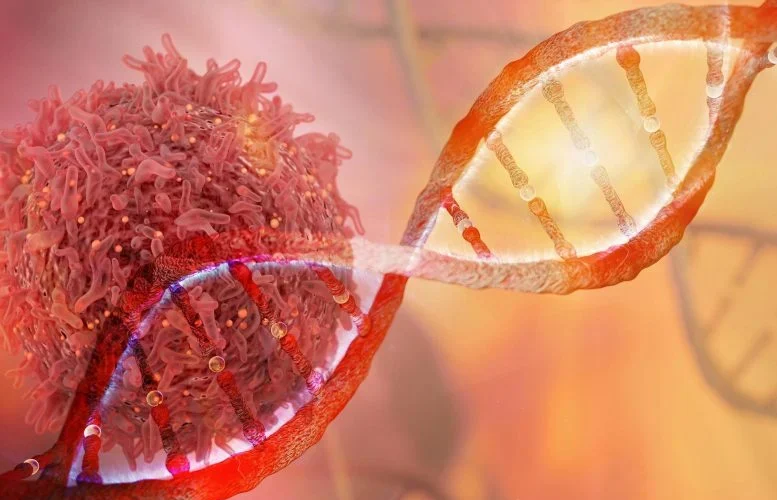
A groundbreaking study from researchers at Johns Hopkins has identified a key “master gene” that plays a powerful role in driving pancreatic cancer metastasis—the process by which cancer spreads to other organs. The research highlights how this gene activates pathways that allow pancreatic tumors to become more aggressive and invasive.
Metastasis is responsible for the majority of pancreatic cancer–related deaths, making discoveries like this especially significant. By understanding the genetic mechanisms that enable cancer cells to spread, scientists can begin developing targeted therapies aimed at slowing or stopping that progression.
Findings like these reinforce why continued investment in pancreatic cancer research is so critical. Each new discovery brings us closer to more effective treatments—and ultimately, better outcomes for patients and families impacted by this disease.
Read the full article on SciTech Daily here.