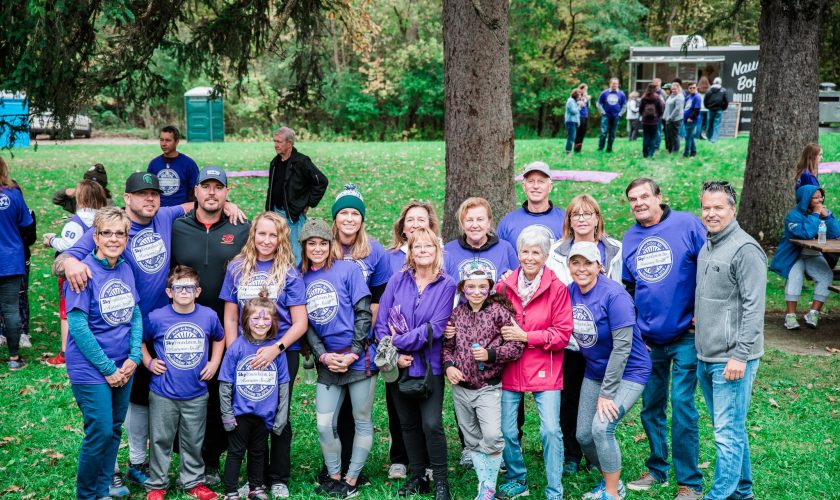

Edna received her PhD at Wayne State University. Retired from Wayne State University School of Medicine in 2011 as Interim Director in the Office of Diversity and Inclusion. Edna is a 16 year pancreatic cancer survivor.
Edna received her PhD at Wayne State University. Retired from Wayne State University School of Medicine in 2011 as Interim Director in the Office of Diversity and Inclusion. Edna is a 16 year pancreatic cancer survivor.
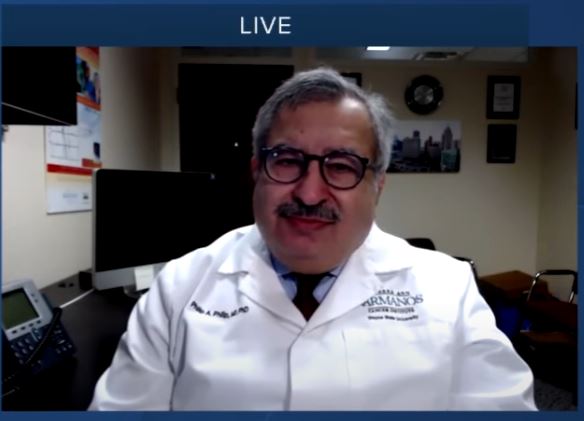
Dr. Philip of Karmanos Cancer Institute and Sky’s Scientific Advisory Committee tells us what to lookout for when screening for Pancreatic Cancer.

Residents of the United States are frequently ranked as among the most generous in the world (Charities Aid Foundation World Giving Index, October 2019). Charitable contributions flowing from these taxpayers enable Sky Foundation to fulfill its mission.
To stimulate charitable giving during this pandemic, Congress included a provision in the Coronavirus Aid, Relief, and Economic Security (CARES) Act to provide some relief for charitable organizations. The CARES Act permits eligible individuals who do not itemize deductions to deduct $300 of qualified charitable contributions as an “above-the-line” deduction, i.e., as an adjustment in determining adjusted gross income (AGI), for tax years beginning in 2020.
The amount may be relatively small, but in the throes of a health care crisis, every bit can make a difference — in this case, for both you the donor and Sky Foundation. Please consider giving before the end of the year to take advantage of this new deduction.
Consider donating appreciated stock from your investment portfolio instead of cash. Your tax benefits from the donation can be increased and Sky Foundation will be just as happy to receive your stock.
The tax benefit to the donor is in the form of a larger deduction for the donation of the stock, using the fair market value of the stock on the date of the donation WITHOUT having to pay taxes on the value of the appreciation (capital gain). In other words, the donor does not have to recognize the gain on the donated stock as long as the donation is made out of the donor’s broker account and received directly into the foundation’s account (not converted to cash first). The stock must be held for more than a year to qualify for this preferential tax treatment.
Sky Foundation receives the fair market value of the stock which can be converted to cash and used to fund its programs and achieve its mission.
The information contained in this newsletter article is for general informational purposes. Consult your tax advisor for tax advice specific to your tax situation.
Jean M. Stenger, CPA is currently a Senior Manager at the CPA firm of Derderian, Kann, Seyferth & Salucci, P.C.

Henry Ford Health System announced a $16 million gift to its Henry Ford Pancreatic Cancer Center (HFPCC), which was launched in 2018 by an initial $20 million gift from the same donor, who wishes to remain anonymous. The gift will bolster the HFPCC’s clinical and translational research endeavors in the fight against this devastating disease.

“We are tremendously thankful for this combined $36 million gift, which not only launched the Henry Ford Pancreatic Cancer Center in 2018, but will further empower our world class clinicians and researchers to continue their pursuit of scientific discoveries that will improve the lives of many affected by this disease,” said Wright Lassiter, III, president and CEO of Henry Ford Health System.
“We are excited to bring together the world’s most innovative minds to accelerate the pace of discovery and understanding,” said David Kwon, M.D., FACS, Clinical Director of the HFPCC. “With such generous funding, we are able to think outside the traditional research paradigms to create a foundational and innovative infrastructure of expert teams that would otherwise not be feasible. This allows us to attract premier scientists and establish collaborations with the world’s best researchers, clinicians, and industry leaders. The goal is to build a center that will continue to foster ground-breaking research in the fight against pancreatic cancer.”
The work of the clinicians, researchers and staff of the HFPCC would not be possible without the generous support of those in the community who want to make a difference in the fight against pancreatic cancer.
To learn more about the HFPCC, visit henryford.com/PancreaticCancer.
To read the full article, visit prnewswire.com
SOURCE Henry Ford Health System



Sky Foundation lost a dear friend and a founding member last weekend with the passing of Judy McClelland. Judy was fully committed to our mission and for 12 years we were graced with her incredible spirit and delightful personality at every event — always in purple attire!
In Spring of 2020, we asked Judy to share some words about Sky and her friendship with Sheila:
“When I first met Sheila (playing bridge, of course) many decades ago, I just knew we would be great friends!
A couple of years later Sheila was diagnosed with pancreatic cancer and while recovering from surgery, she decided that she had to do something positive.
And before I knew it, I was sitting at a table in a board room with a group of Sheila‘s friends laying the groundwork for what would become known as the first Board of Sky Foundation, dedicated to raising awareness and funding research for an early detection of new or recurrent tumors of the pancreas.
Many years have passed and Sheila and I are still the best of friends, meeting for dinner as often as we can and talking for many hours on the telephone keeping me up to date on Sky Foundation, trying to keep track of the goings-on of our numerous children and family members and our friends. Most of all, we laugh a lot and relish our awesome memories and events that we have shared over the years and that we will share for years to come.
Love you,Judy”

Game show legend Alex Trebek, the beloved “Jeopardy!” host who showed dignity and perseverance in dealing with a Stage 4 pancreatic cancer diagnosis in March 2019, died Sunday. He was 80.
” ‘Jeopardy!’ is saddened to share that Alex Trebek passed away peacefully at home early this morning, surrounded by family and friends. Thank you, Alex,” according to a statement from “Jeopardy!”
Trebek was synonymous with longtime top-rated “Jeopardy!,” the brainiest of TV quiz shows, which he hosted since its syndicated revival premiered in 1984 (Art Fleming hosted an earlier NBC version from 1964 to 1975.). Will Ferrell’s “Saturday Night Live” impersonation both underlined and burnished Trebek’s exalted cultural status.
The Sudbury, Ontario-born host, who gained U.S. citizenship in 1998, enjoyed a substantial game show career before taking on “Jeopardy!,” hosting shows such as “The Wizard of Odds,” “Double Dare,” “High Rollers,” “Battlestars,” “Classic Concentration” and “To Tell the Truth.”
Read the full article at: https://www.usatoday.com/…/jeopardy-host…/1885204001/


Justice Ruth Bader Ginsburg, the demure firebrand who in her 80s became a legal, cultural and feminist icon, died Friday. The Supreme Court announced her death, saying the cause was complications from metastatic cancer of the pancreas.
The court, in a statement, said Ginsburg died at her home in Washington, D.C., surrounded by family. She was 87.
“Our nation has lost a justice of historic stature,” Chief Justice John Roberts said. “We at the Supreme Court have lost a cherished colleague. Today we mourn but with confidence that future generations will remember Ruth Bader Ginsburg as we knew her, a tireless and resolute champion of justice.”
Architect of the legal fight for women’s rights in the 1970s, Ginsburg subsequently served 27 years on the nation’s highest court, becoming its most prominent member. Her death will inevitably set in motion what promises to be a nasty and tumultuous political battle over who will succeed her, and it thrusts the Supreme Court vacancy into the spotlight of the presidential campaign.
To read the full article, visit the NPR website.

Contact:
Amy Hennes
(248) 9610644
This year’s free Virtual event includes research updates, auctions, and local celebrities
For Immediate Release – Oct. 26, 2020 – Bloomfield Hills, Mich. – Sky Foundation is taking it’s Annual Celebration online this year for a virtual, fast-paced event in support of pancreatic cancer education and research. This year’s event — now in its 12th year – will livestream Sunday, Nov. 8 at 5 p.m.
“Our team works year-round to help people recognize the hidden signs of pancreatic cancer,” says Kasselman, a 13-year pancreatic cancer survivor and founder of Sky Foundation. “Hosting our annual celebration in November — during Pancreatic Cancer Awareness Month — helps us elevate the importance of early detection and join together as a community to combat this deadly cancer that touches so many lives.
WJR Newsradio 760’s Guy Gordon will emcee the event that includes a live auction with auctioneer Christopher Aslanian, a research update by Sky’s Scientific Advisory Committee, and a drawing for a $1000 Gift Card to the Somerset Collection for all who register. An online (silent) auction is also included that begins Nov. 4 and runs through the start of the event.
Sky Foundation’s mission is to raise awareness and education of this third-deadliest cancer and fund medical research and treatment. Sky works with researchers in Michigan and around the country to find an early detection method to increase survival rates.
To register and get tickets, sponsor, or for more information on the auction and event, visit the event page.
For more information on Sky Foundation, visit www.skyfoundationinc.org.
###


Contact:
Amy Hennes
hennesamy@gmail.com
(248) 961-0644
More than 550 participated across the country.
For Immediate Release – Oct. 14, 2020 – Birmingham, Mich. — Sky Foundation’s annual Autumn Stroll Oct. 4, raised more than $40,000 for the University of Michigan Pancreatic Cancer Research Teams.
Participants walked, ran, swam and / or gathered with friends to honor loved ones affected by the third deadliest cancer, and help others know the symptoms.
Sky Foundation was established by Sheila “Sky” Kasselman in 2008 following diagnosis and treatment for pancreatic cancer. The Foundation’s goal is to find an early detection method to increase survival rates. It works with researchers in Michigan and around the country to put an end to this disease.
“Our 25 team leaders and volunteers were key to our success – our boots on the ground,” said Edna Gray, survivor, and co-chair of the event with Kasselman. “This cancer touches too many lives but together we know we can make a difference.”
Sky Foundation’s team will hold their 12th Annual Celebration on Nov. 8 which will include a research update, silent and live auctions, and a chance to win a $1000 gift card to the Somerset Collection. Detroit’s own Guy Gordon of WJR Newsradio 760 will serve as the event’s emcee.
“While we have different levels of participation, the only cost to log into the event and enter the gift card drawing is the opportunity to learn more about this cancer,” said Kasselman. “If we help one person discover the hidden signs of pancreatic cancer early, then events like the walk and the annual celebration are a success.”
Photos and personal “Why I Walk” stories from the Autumn Stroll can be found on Sky Foundation’s Instragram page. Information on the Nov. 8 event can be found at www.SkyVirtual.givesmart.com or visit their website at www.SkyFoundationInc.org.
###


The stories Keith Famie comes across while making films are both heartbreaking and inspirational.
For two years, Famie and his crew worked on the film “Those on the Front Lines of Cancer.”
The film will debut on PBS stations nationally Sunday, July 19, and will be shown at 10 p.m. on New Mexico PBS.
The documentary features heartfelt stories and several well-known medical professionals.
Working in the trenches with these professionals, Famie explores the latest medical advances as well as body, mind, and spirit approaches and how lifestyle changes and disciplines can affect what may otherwise be a genetic roll of the dice.
“It’s always fascinating for me when I work on these films,” Famie says. “When I film with different medical professionals, one part of the country hasn’t heard of an idea. It’s usually bridged by the patients advocating for themselves and figuring out the best possible treatment. The patients have to push the envelope on this.”

Director Keith Famie
Famie is grateful to the Heart to Heart Hospice Foundation, the presenting sponsor for the national launch of the film on PBS.
” ‘Cancer’ – this word evokes fear into anyone who hears a doctor use it in the context of a checkup. I truly wanted to explore where we are with treatments and research as well as better understand how lifestyle can impact our long-term health to possibly avoid a cancer diagnosis,” he says. “Most importantly, I wanted to give a voice to those on a cancer journey – enabling these unsung heroes of the film to teach us about strength, courage, faith, and the drive to overcome this devastating disease.”
Michigan media personality JoAnne Purtan is the host of the two-hour documentary.
“Cancer affects all of us in one way or another. I watched both my mom and mother-in-law battle ovarian cancer for years, and currently have friends facing their own cancer journey,” Purtan says. “This film provides hope … hope for new treatments on the horizon and hope for alleviating the financial toxicity that often accompanies a diagnosis. What an honor it is to work with Keith Famie and to be a part of such an important project.”
Famie is looking forward to the documentary getting a national rollout because it’s an issue that people need to talk about.
“These films are a real journey of love,” he says. “They really are done with the sense that people can react. Getting messages of hope really fuels my drive. Boy, if I can dig deep and serve up something that makes a difference, I’m going to try each time.”
This article was written by: ADRIAN GOMEZ / JOURNAL ARTS AND ENTERTAINMENT EDITOR
The original article can be found at the Albuquerque Journal at https://www.abqjournal.com/1476263/making-a-difference-2.html .

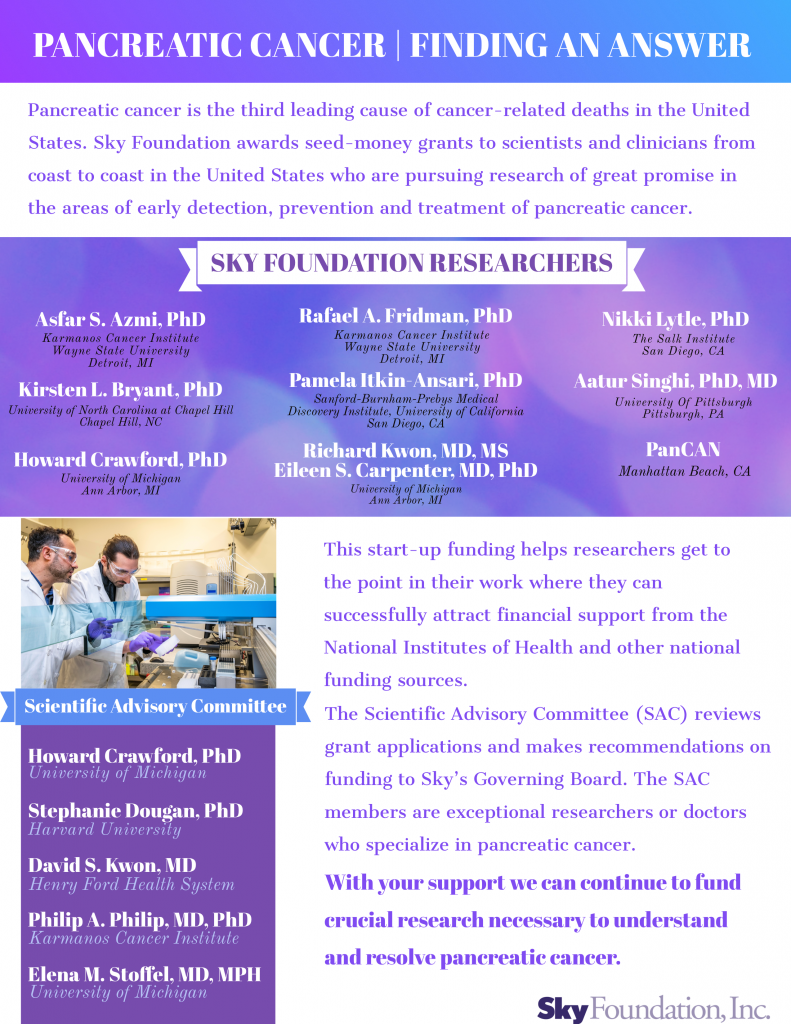
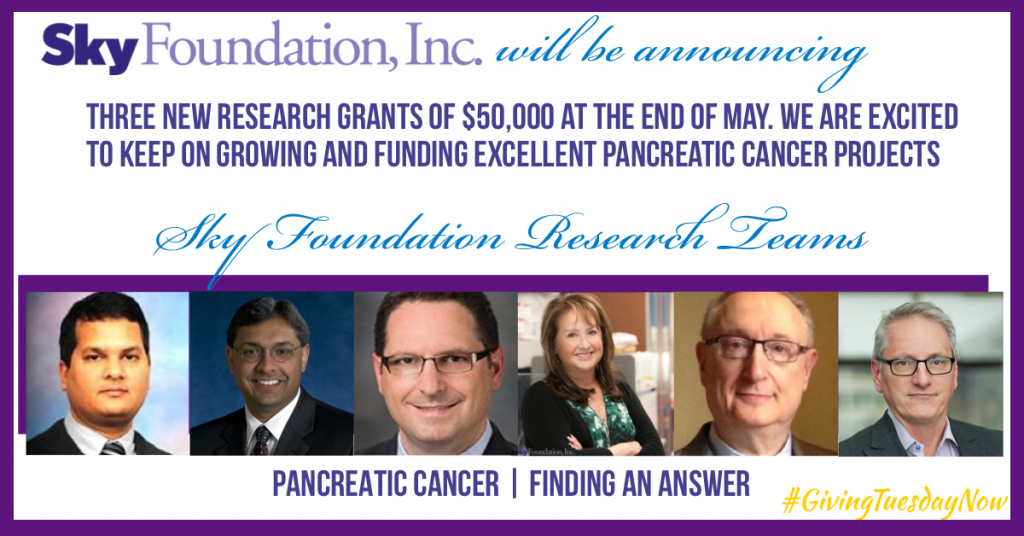
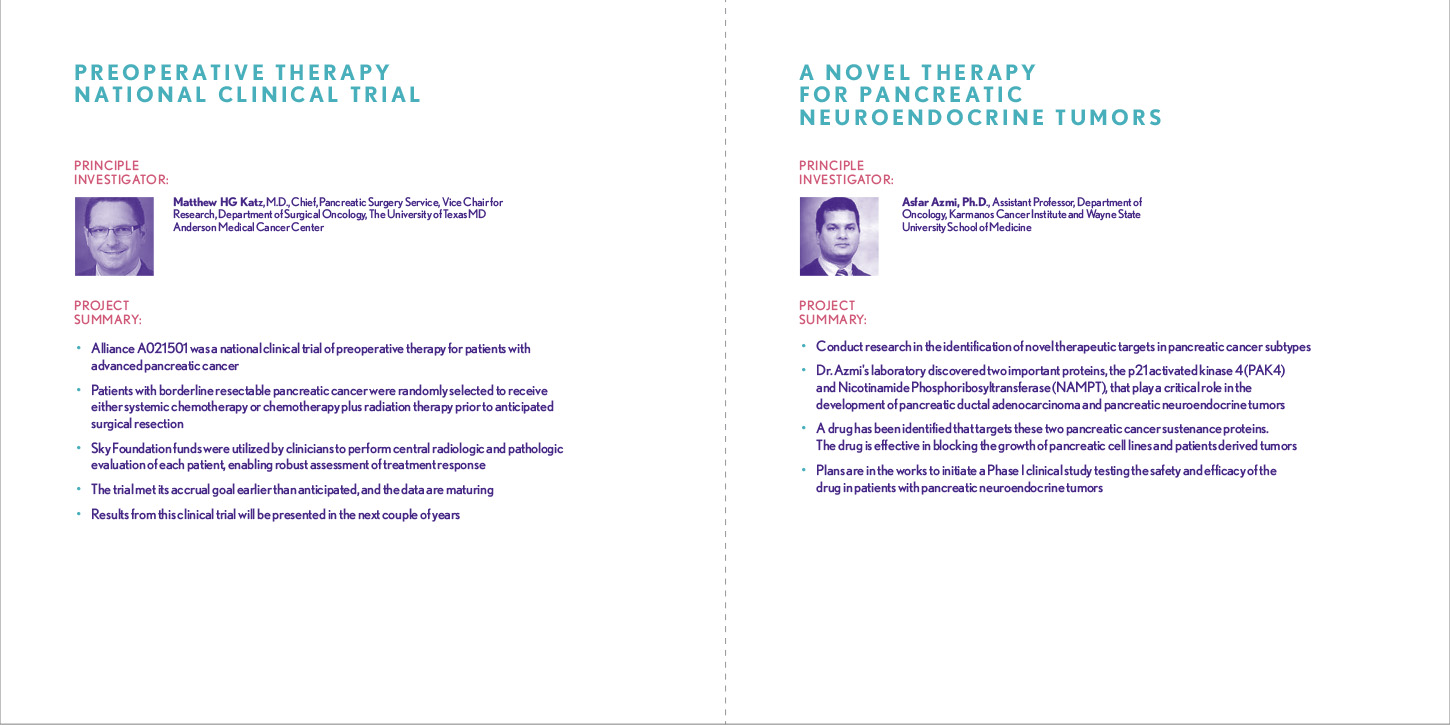
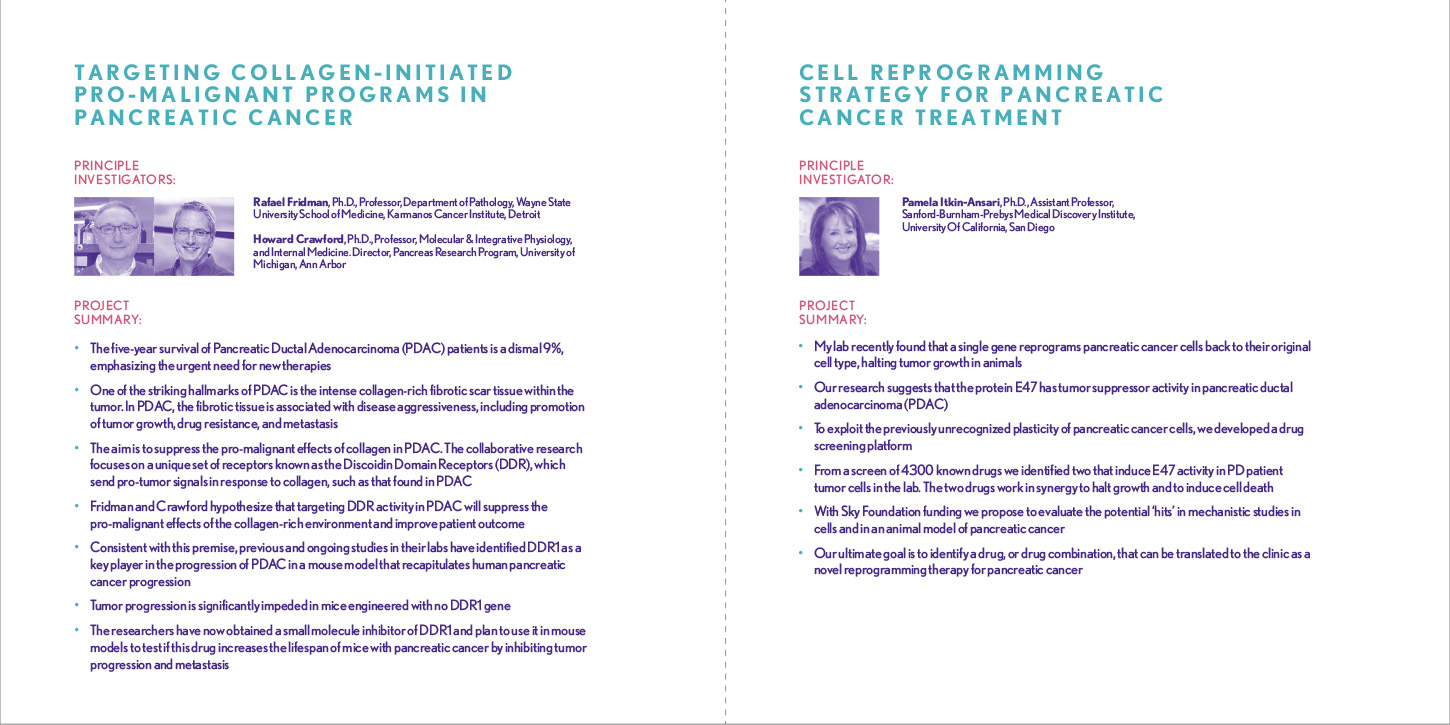
For the first time Sky Foundation has received grant requests from Coast to Coast. Our stellar Scientific Advisory Committee has awarded three research projects with a $50,000 seed grant.
Learn more by reading the information below.
Dr. Bryant, PhD (Lineberger Comprehensive Cancer Center | University of North Carolina at Chapel Hill)
Dr. Kwon, PhD, MD & Dr. Carpenter, MD, PhD (Michigan Medicine, University of Michigan)
Dr. Lytle, Phd (Geoffrey Wahl laboratory | The Salk Institute for Biological Studies)

The decisions you make are potentially life-changing and people all around you are speaking in terms you don’t understand. “It’s natural for patients and loved ones to begin reading everything they can about pancreatic cancer, and that’s a good practice,” Dr. Allyson Ocean, medical oncologist at NewYork-Presbyterian Hospital/Weill Cornell Medical Center in New York. “But often when they begin reading medical journals or talking to members of their health care team, they get lost fixating on terms they don’t know.”
One way to get a leg up on your new world? Learn the language. Here are 18 words you are likely to encounter, and where you might hear them.
When you have cancer of any type, receiving the correct diagnosis is paramount. Unfortunately, the signs and symptoms of pancreatic cancer can be vague and can mimic other conditions. While most doctors start with a simple computed tomography scan (CT), the following tests are also often used for diagnosing pancreatic cancer. With these tests doctors can better see a tumor’s size and location, as well as obtain a biopsy.
1. Endoscopic retrograde cholangiopancreatography (ERCP): ERCP combines X-ray technology with an endoscope—a thin, flexible, illuminated tube—to spot problems in the liver, pancreas, and bile ducts. Doctors place the tube down your throat and through the esophagus, stomach, and the duodenum (the first part of the small intestine). Then they pass a dye through a small tube into the scope to highlight the lower organs on X-ray.
2. Endoscopic ultrasound (EUS): Like ERCP, EUS involves inserting an endoscope into the mouth and through the esophagus, stomach, and the duodenum. A small ultrasound probe at the tip of the tube emits high-frequency sound waves to capture detailed images of the chest, digestive tract, pancreas, bile ducts, and liver.
When it comes to cancer treatment, you probably already know about radiation and chemotherapy. The following terms are also important for understanding pancreatic cancer treatment protocols.
3. Neoadjuvant therapy: The term “neoadjuvant” is used to describe treatment such as chemotherapy or radiation that is given before surgery.
4. Adjuvant therapy: Adjuvant therapy is treatment given after surgery.
5. Resectable pancreatic cancer: A cancer that is resectable means that the tumor lies within the pancreas or extends slightly beyond it. It’s resectable because it is free and clear of critical structures such as arteries and veins.
6. Borderline resectable pancreatic cancer: Tumors are given this classification if they are confined to the pancreas, but approach nearby structures. Doctors may not be able to remove the entire cancer without causing severe or debilitating symptoms.
7. Immunotherapy: Unlike chemotherapy and radiation, this unique form of cancer treatment harnesses the power of the immune system to fight cancer. There are different types of immunotherapy, including vaccines, monoclonal antibodies, and checkpoint inhibitors.
8. Stent: A stent is a small metal or plastic tube that doctors use to open a blocked duct. Doctors might place a stent in your pancreatic duct or your bile duct to help treat jaundice, or they might place one in the duodenum to treat sickness and restore your appetite.
9. Pancreatectomy: A surgical procedure where doctors remove all or part of the pancreas.
10. Whipple procedure: The Whipple procedure is an intense surgical procedure that involves removing part of the stomach, the duodenum, head of the pancreas, part of the bile duct, gallbladder, and lymph nodes in the area of the pancreas.
To continue reading the next 8, visit Let’s Win’s website Here.

Michigan Medicine, University of Michigan

Richard Kwon, MD, MS is an Interventional Endoscopist at University of Michigan with expertise in endoscopic ultrasound and pancreatology. He is co-Director of the Comprehensive Pancreas Program and leads the Benign Pancreas Conference. He also is active in the Multidisciplinary Pancreas Cancer clinic and tumor board. His research interests center on developing innovative methods for early detection of pancreatic cancers.
Dr. Kwon and Dr. Carpenter collaborated to develop a platform for improved detection of early pancreatic cancer in patients with pancreatic cysts. Specifically, they will utilize quantitative image analysis (radiomics) and primary culture of cyst fluid to improve the ability to differentiate between malignant and benign mucinous cysts. As of October 2022, Eileen Carpenter has opened up her own lab which she will have different research projects being conducted and Dr. Kwon will continue this current project with his team.
“Early detection of cancers in patients with pancreatic cystic neoplasms.”
Pancreatic cysts are still the only identifiable precursor lesions for pancreatic cancer. However, current cross-sectional imaging and cyst fluid analysis still lack sensitivity and accuracy in correctly identifying cancer. This lack of accuracy translates into missed cancers or unnecessary diagnostic test and surgeries. In this proposal, our group is trying to address the need for more accurate biomarkers for early cancers. Our strategy is to harness the untapped potential in cross-sectional imaging and cyst fluid, utilizing quantitative image analysis (a process pioneered here called analytic morphomics) and primary culture of cyst fluid, respectively, to improve the ability to differentiate between malignant and benign mucinous cysts.

Those on the Front Lines of Cancer is a film that aired on PBS in 2019, directed and produced by Keith Famie. This production talks about real-time stories of cancer patients with those on the front-line of researching cures. The newest approaches will be examined, including advancements being made in chemotherapy and holistic medicine. Sheila Kasselman is one of the movie’s Executive Producers and has a special segment in the film representing pancreatic cancer.
This extraordinary documentary has been nominated for the 2020 Michigan Emmys as best “Documentary – Topical” & “Health/Science – Program/Special”.
The 42ND ANNUAL MICHIGAN REGIONAL EMMY™AWARDS will be airing virtually on June 20th at 7pm. Please check their website for updates on this virtual experience.

For our 10 Year Anniversary we are spreading awareness of pancreatic cancer symptoms so that YOU can be in the KNOW. Please follow us, comment, and contribute if you’ve had similar experiences or any insight for others to gain with this disease. #LetsBeatThis #10YearAnniversary #PancreaticCancer #Cancer #Symptoms #Hope #Knowledge #Courage

1. SUDDEN WEIGHT LOSS. Typically you tend to celebrate weight loss but when it happens for no apparent reason you need to be very aware! Take note of the reasons why you have been losing weight. If they align with other symptoms for pancreatic cancer schedule an appointment with a gastroenterologist right away. #LetsBeatThis #10YearAnniversary #PancreaticCancer #Cancer #Symptoms #Hope #Knowledge #Courage

2. LOSS OF APPITITE. Changes in appetite are common with pancreatic cancer. You may eat less than usual, not feel hungry at all, or feel full after eating only a small amount. #LetsBeatThis #10YearAnniversary #PancreaticCancer #Cancer #Symptoms #Hope #Knowledge #Courage

3. FATIGUE & WEAKNESS. You may find yourself struggling to stay awake during the day. Try to distinguish if this fatigue and weakness are sudden, without having changed your usual routine or diet. #LetsBeatThis #10YearAnniversary #PancreaticCancer #Cancer #Symptoms #Hope #Knowledge #Courage

4. BACK PAIN: Take extra care of your dad on Father’s Day and recognize the symptoms! If your dad can’t play his routine golf or tennis match today because of unexplained back pain, know that this could be a symptom. The pancreas is located two inches above the belly button, behind the stomach. The pain will be consistent in the middle to lower back while the pancreas is inflamed. #LetsBeatThis #10YearAnniversary #PancreaticCancer #Cancer #Hope #Symptoms #Knowledge #Courage

5. DEPRESSION. You may notice changes in your mood including negative thoughts, loss of appetite and sleeping difficulties. #LetsBeatThis #10YearAnniversary #PancreaticCancer #Cancer #Symptoms #Hope #Knowledge #Courage

6. STOMACH PAIN. Abdominal pain will come and go in waves. Most commonly, it will ache when you go from sitting to standing or standing to lying down. It happens most often following meals. #LetsBeatThis #10YearAnniversary #PancreaticCancer #Cancer #Symptoms #Hope #Knowledge #Courage

7. NAUSEA. When the tumor is growing it begins to block a portion of the digestive tract. Heartburn and acid reflex may occur at that time. #LetsBeatThis #10YearAnniversary #PancreaticCancer #Cancer #Symptoms #Hope #Knowledge #Courage

8. NEW ONSET OF DIABETES. Insulin is produced by the pancreas. If you are suddenly diagnosed with diabetes without family history or common factors that typically lead to development of diabetes you should seek medical advice. #LetsBeatThis #10YearAnniversary #PancreaticCancer #Cancer #Symptoms #Hope #Knowledge #Courage

9. NINE: JAUNDICE AND RELATED SYMPTOMS. Yellowing of the eyes and skin is something to be aware of. Your stool will appear to be pale and chalky or white and clay-like in color. You may also notice that your urine has become almost orange without any dietary explanation. #LetsBeatThis #10YearAnniversary #PancreaticCancer #Cancer #Symptoms #Hope #Knowledge #Courage

10. TEN: BLOOD CLOTS. An occasional symptom of pancreatic cancer is a blood clot in a large vein, often in the leg. Symptoms include pain, swelling, redness and warmth in the affected leg. #LetsBeatThis #10YearAnniversary #PancreaticCancer #Cancer #Symptoms #Hope #Knowledge #Courage
Wrap your thoughts around these symptoms. Let this Rap song do the work for you and sing it to all of those you care about so we can all learn the symptoms! #LetsBeatThis #10YearAnniversary #PancreaticCancer #Cancer #Symptoms #Hope #Knowledge #Courage

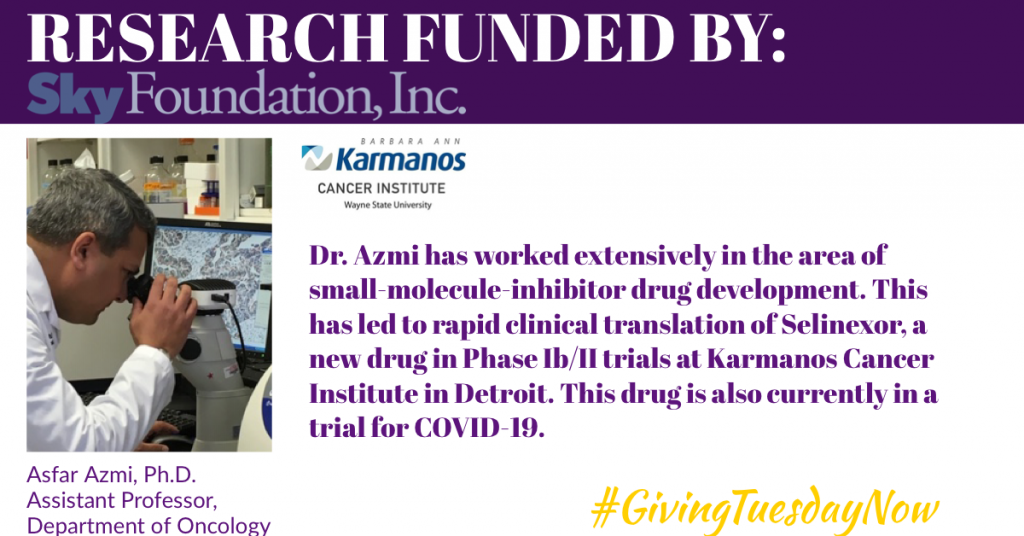
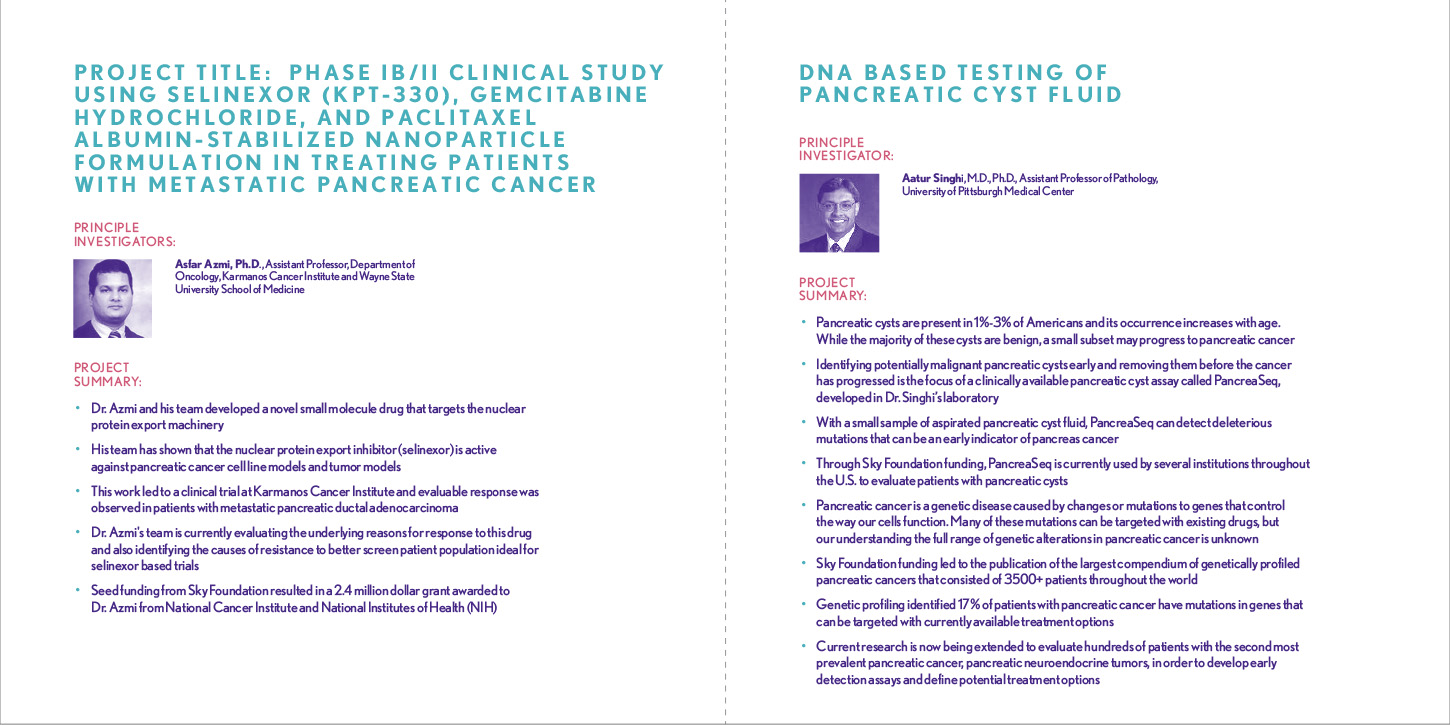
WXYZ announced in news this afternoon that a doctor funded by Sky Foundation, Inc, Asfar Azmi, PhD is involved in COVID-19 tested treatments.
An oral therapy that has been studied in laboratory experiments and clinical trials at Karmanos Cancer Institute will enter clinical trials for the treatment of COVID-19.
Selinexor is approved at higher doses by the FDA as a treatment for cancer patients with relapsed or refractory multiple myeloma.
Asfar Azmi, Ph.D., assistant professor, co-leader, Tumor Biology and Microenvironment Research Program, Karmanos Cancer Institute and Wayne State University School of Medicine and director of pancreas cancer research initiatives led the Karmanos team that helped develop the drug.
Clinical trials exploring the use of the drug in treating COVID-19 will soon be underway at 40 locations internationally.
“The fascinating thing about this trial is that we are able to apply information learned about the drug’s effect on tumor cell biology to the treatment of deadly viral infections using lower doses of the drug than we typically use to treat cancer,” said Jeffrey Zonder, M.D., who will be the Principle Investigator (PI) for the upcoming trial at Karmanos.
“I am very proud that the work of our investigators is contributing to the fight against COVID-19. I congratulate the team in helping to develop a drug that is finding applications beyond cancer treatment,” said Gerold Bepler, M.D., Ph.D., president and CEO of Karmanos Cancer Institute.
To learn more about Dr. Azmi’s project funded by Sky Foundation click Here.
Article was originally posted on WXYZ.com, you can view the original article Here.

Like all cells in the body, cancerous cells need nutrients and energy to survive, which presents researchers with an opportunity to cut off the supply and slow their spread. A research team at Columbia University has made an exciting discovery in this area, finding that a compound currently under development for a rare kidney stone disease can starve pancreatic cancer cells of a key amino acid they depend on, a technique that proved to stop tumor growth in mice.
“We’re very encouraged by these results,” says Kenneth P. Olive, PhD, senior author of the study. “Pancreatic cancer is a uniquely lethal disease, with an average survival rate of just six months after diagnosis. We’re in desperate need of new treatments.”
One of the ways pancreatic cancer causes harm is by driving the production of oxidants, which can be fatal to healthy cells in the body but leave the tumor cells intact. The reason for this is an amino acid called cysteine, which the tumor cells import in huge quantities and allows them to produce molecules that neutralize the toxic effect of the oxidants.
“Since pancreatic tumors appear to depend on cysteine import for their survival, we hypothesized that it might be possible to slow tumor growth by selectively targeting this amino acid,” Olive says.
The team worked with mouse models of pancreatic cancer closely resembling tumors in humans. They engineered the mice to be missing the gene that controls cysteine import and found that this missing piece led to a halt in the tumors growing and a doubling of the median survival time.
In another experiment, the team treated the mice with a drug called cysteinase, with similar results. This compound is under development for the treatment of a rare genetic disorder called cystinuria, in which high amounts of cysteine build up and lead to the formation of kidney and urinary tract stones. The scientists also added cysteinase to tissue culture containing human pancreatic cancer cells, causing those cells to die.
The team is now working to see if the drug’s effectiveness can be ramped up by combining it with other cancer treatments, such as immunotherapy. One of the promising outcomes of this approach, the team notes, is that it appears to leave normal cells unharmed.
“You might imagine that all the cells of your body need every amino acid equally, but we knew from prior studies that most normal cells need only very low levels of cysteine,” Olive says. “Our whole goal in targeting this difference between normal cells and cancer cells is to develop a treatment that is toxic to cancer and gentle on the rest of the body.”
The research was published in the journal Science.
Source: Columbia University

Michigan has been ordered to Shelter-in-place as of Tuesday, March 24th. Sky Foundation takes these guidelines very seriously and has sent the office staff home to work, beginning on March 16th. The office admin, Annie, can be reached at home by phone (248-385-5143) or by email (ADalton@SkyFoundationInc.org) to answer questions and offer necessary assistance. Sky is happy to help you during this difficult time.
The foundation has cancelled all of their fundraising and awareness events held in the community due to the rapid spread of COVID-19 and the active push for social distancing. Although the Women’s Event planned for May 4th at Bloomfield Hills Country Club has been cancelled, we are still encouraging donations to support our research programs. We will also be sharing an online auction, Detroit Bonanza Extravaganza, with some great Detroit-based options.
Sky has made generous donations to all of the local hospital systems that we support. There are many ways to contribute in this time of need.
It is most important that Pancreatic cancer patients, caregivers and families follow precautions outlined by the U.S. Centers for Disease Control and Prevention (CDC):
 Stay home!
 Wash your hands often – with soap and water (or hand sanitizer)
 Avoid touching your face
 Wiping down surfaces and used items outside the home (such as debit/credit cards with alcohol based cleaning products)
 Cough and sneeze into your sleeve (and wash your clothing after use)
 Do not greet people with a handshake or a hug
Additional restrictions may be appropriate if you are a pancreatic cancer patient or are in close contact with someone with the disease. Please speak with your healthcare team for additional precautions.
Governor Whitmer has placed an order to Shelter In Place on March 23, 2020. People can leave home to perform limited, necessary activities and may also participate in outdoor activities like walking, hiking, running, cycling, as long as you are staying consistent with remaining at least six feet from people. You can also continue to utilize restaurants that remain open and convenience stores for necessary items. Some of the following locations offer special hours for the elderly and immune compromised.
Kroger: 7 a.m. to 8 a.m. on Mondays, Tuesdays, Wednesdays, and Thursdays to seniors over 60, and other higher-risk customers, as defined by the CDC.
Target: Stores are reserving an hour on Wednesdays for “vulnerable shoppers.” Call your local store to find out exact hours.
Whole Foods Market: Stores open one hour early for 60 and older to shop. Call your local store for exact hours.
Walmart: From now through April 28, stores open one hour early on Tuesday for 60 and older to shop.
Dollar General: The first hour of operation is reserved for seniors. Call your local store to find out opening times.
Click here for restaurants you can continue to order from! (opens in new tab)
Right now is a difficult time with all of this uncertainty, which makes it even more important to STAY POSITIVE. Here are some suggestions to keep your energy up and an optimistic attitude.

Sheila Kasselman takes Sky Foundation personally. She founded the nonprofit in 2008 while recovering from pancreatic cancer surgery. The foundation seeks to find an early detection method that increases survival rates of those with pancreatic cancer.
“Sheila Sky Kasselman … has done monumental work in spreading the awareness about this disease. She has tirelessly spent over a decade on bringing this often neglected yet very deadly and unmet clinical problem to the forefront. Her work through Sky Foundation Inc. has impacted the lives of patients, relatives and the scientific community,” said Asfar Azmi, director of Pancreas Cancer Research Initiative and co-leader of Tumor Biology and Microenvironment Research Program at Karmanos Cancer Institute.
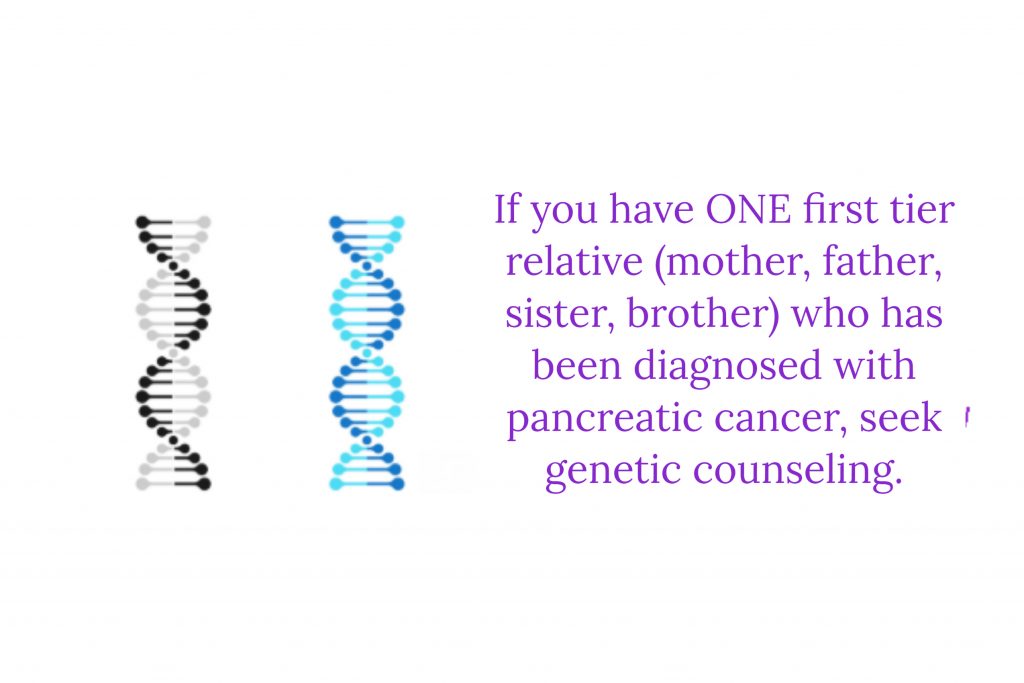
In addition to advocacy and fundraising, Kasselman spends time with newly diagnosed pancreatic cancer patients then works closely with Henry Ford Health System, Karmanos and the University of Michigan to match patients with the right physician.
Read more about Crain’s Notable Women in Health HERE.

Sheila Sky Kasselman has experienced more than a decade’s worth of challenges, but the 12-year pancreatic cancer survivor doesn’t let that get her down.
“Every day is a new beginning,” Kasselman said. “I’m here and functional. That’s the best news.”
In 2007, Kasselman was diagnosed with stage I pancreatic cancer. Though her disease was caught at an early stage, she had been suffering for nine months before doctors found the cause.
“People don’t realize how depressed you get when you don’t know what is going on,” Kasselman shared.
“And depression is a symptom of pancreatic cancer. In fact, I had many more symptoms.”
They included nausea, weight loss, diabetes, back pain and jaundice.
When the symptoms started, her tumor was small and hidden under an artery, so the doctors couldn’t see it on a CT scan. When it grew large enough to collapse her bile duct, jaundice set in, triggering another scan.
This time, they could see the tumor.
Luckily, she was still eligible for surgery.
For eligible patients, surgery is the best option for long-term survival of pancreatic cancer.
Kasselman had chemotherapy and radiation therapy, followed by the Whipple procedure.
As a result of the treatment, she now has type 3c diabetes. This type of diabetes is caused by pancreatic diseases, like pancreatic cancer or pancreatitis, or removal of some or all of the pancreas through surgery.
Between the removal of organs during the surgery and the diabetes that followed – along with further complications due to kidney stones – Kasselman continues to have huge nutritional challenges.
Even now, more than a decade later, she remains on an extremely limited diet. She drinks a ton of water to stay hydrated and takes pancreatic enzymes with every meal, as well as vitamin D.
But Kasselman is still a force to be reckoned with.
Weighing in at only 95 pounds, she’s strong – exercising, doing Pilates and walking on a regular basis.
She has also kept her sense of humor and is committed to helping others learn about this disease.
“It is equally important for me to raise awareness and to raise funds for research.
“So many people don’t get to the doctor in time. Late diagnosis breaks my heart.”
Just four months after her Whipple surgery, Kasselman started Sky Foundation to raise awareness and fund research for the early detection and treatment of pancreatic cancer.
Sky Foundation is a member of the World Pancreatic Cancer Coalition, a global alliance in the fight against the disease.
The foundation has also funded Pancreatic Cancer Action Network (PanCAN) initiatives.
“I think PanCAN is doing excellent work,” Kasselman said. “I have the utmost respect for everything that PanCAN does.”
She is particularly excited about the new dedicated federal pancreatic cancer research program – and credits PanCAN’s advocacy efforts for that legislation. She also supports PanCAN’s research into the connection between diabetes and pancreatic cancer.
Much of her life focuses on pancreatic cancer – except when she’s playing competitive bridge. “It’s the only way I can get away from the disease and turn my brain off!” Kasselman said.
“My devotion to this disease remains as intense as it was when I started the foundation.”
Kasselman is often contacted by others who have been recently diagnosed with the disease, and she always listens and provides support.
Most importantly, she is a beacon of hope.
Kasselman doesn’t focus on the struggles. She celebrates what she has accomplished since her diagnosis and her commitment to Sky Foundation. She also celebrates getting to see her four grandchildren grow up!

By Jean M. Stenger, CPA
Consider donating appreciated stock from your investment portfolio instead of cash. Your tax benefits from the donation can be increased and Sky Foundation will be just as happy to receive your stock.
The tax benefit to the donor is in the form of a larger deduction for the donation of the stock, using the fair market value of the stock on the date of the donation WITHOUT having to pay taxes on the value of the appreciation (capital gain). In other words, the donor does not have to recognize the gain on the donated stock as long as the donation is made out of the donor’s brokerage account and received directly into the foundation’s account (not converted to cash first). The stock must be held for more than a year to qualify for this preferential tax treatment and must not be from a retirement account (401K or IRA).
Sky Foundation receives the fair market value of the stock which can be converted to cash and used to fund its research programs and achieve its mission.
The information contained in this newsletter article is for general informational purposes. Consult your tax advisor for tax advice specific to your tax situation.
Jean M. Stenger, CPA is currently a Senior Manager at the CPA firm of Derderian, Kann, Seyferth & Salucci, P.C.

Sky Foundation Inc.’s Scientific Advisory Committee released a request for applications in search of new research partners for 2020. Sky will be providing three individual grants of $50,000 to deserving researchers in the following categories:
Grant applications were released on February 1, 2020 with a deadline of April 1, 2020. All submissions have been sent to the Scientific Advisory Committee for review and will be presented to Sky’s Governing Board for final decisions. Sky Foundation has received 24 grant applications total and look forward to announcing the three recipients on May 1, 2020.
You can see the 2020 Grant Application HERE.
*Sky Foundation Inc. no longer accepting new applications for this grant opportunity*
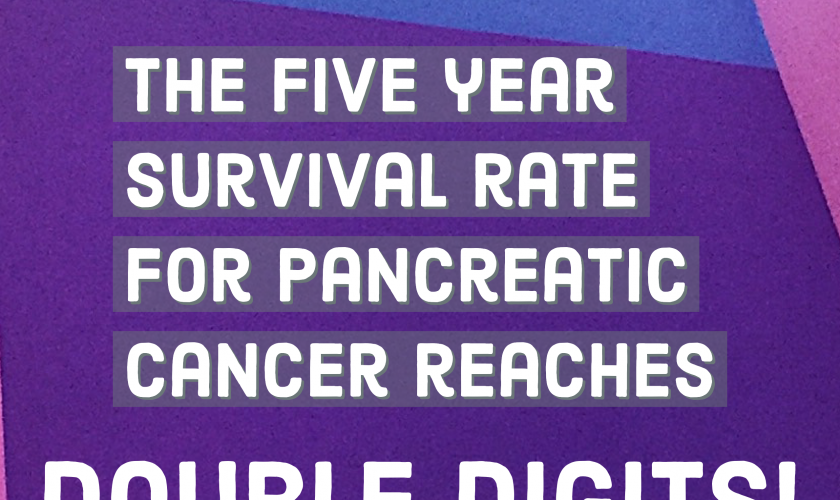
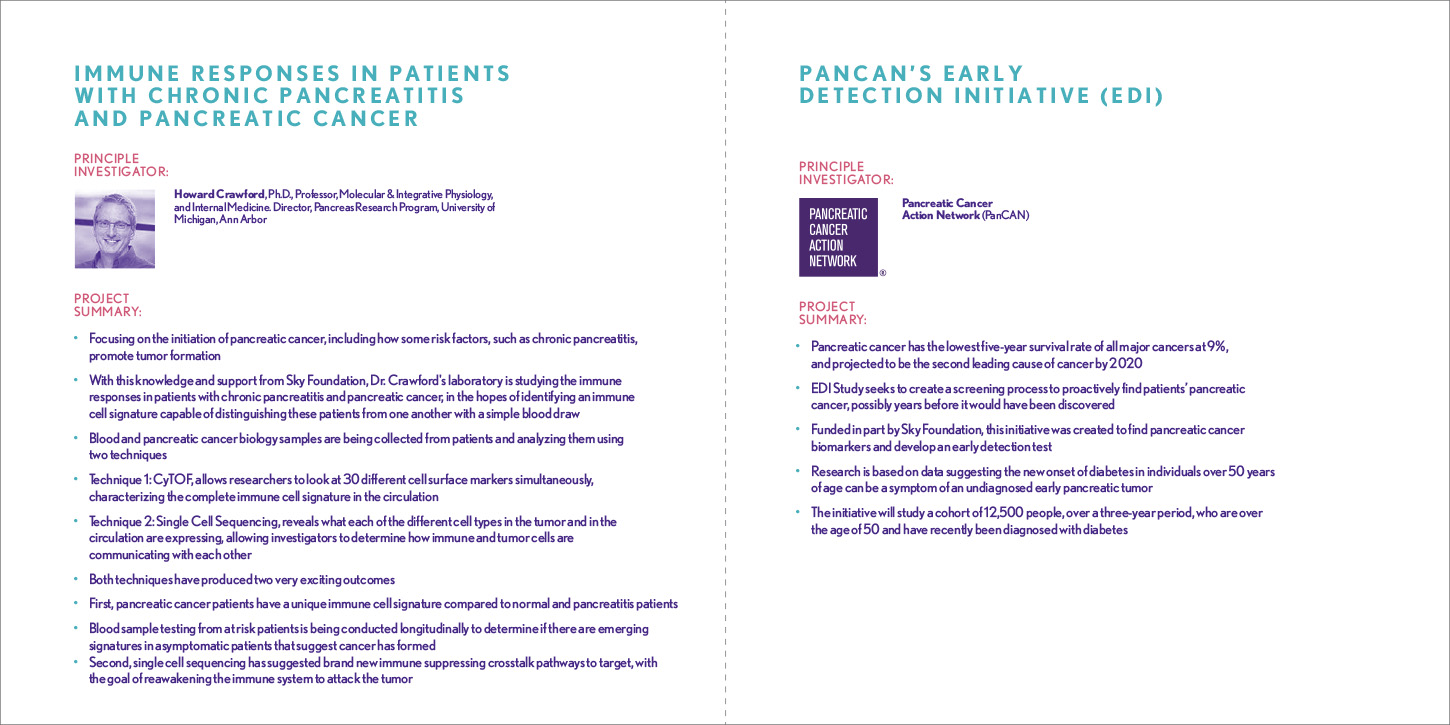
Pancreatic Cancer has only been able to reach a five-year survival rate for patients living up to five years after diagnosis. Today we are able to say that stat has been doubled. American Cancer Society’s Cancer Facts & Figures, released reports that the five-year survival rate has increased to 10%.
Improvement in the survival rate is critical, because the Facts & Figures report also reveals that more people will be diagnosed with pancreatic cancer than ever before.
In 2020, an estimated 57,600 Americans will be diagnosed with pancreatic cancer. Approximately 47,050 Americans are expected to die from the disease this year.
Pancreatic cancer is the 11th most commonly diagnosed cancer in the U.S., but it’s the third leading cause of cancer-related deaths.
Continue to read the full article on PANCANs website, click HERE.

In a big win today for the pancreatic cancer community, the disease will get its own dedicated research program for $6 million through the Department of Defense’s (DoD) Congressionally Directed Medical Research Program (CDMRP).
This is the first time that pancreatic cancer has had a dedicated funding program at the DoD specifically for innovative, high-impact research to accelerate discoveries of new treatments and early detection strategies.
Creation of the program had been the Pancreatic Cancer Action Network’s (PanCAN) top legislative priority for two years – thousands of relentless, passionate advocates met with their members of Congress at PanCAN’s Pancreatic Cancer Advocacy Day, sent hundreds of personal messages to Congress and took countless other critical actions that made a difference.
Read the full article on PanCan’s website HERE.
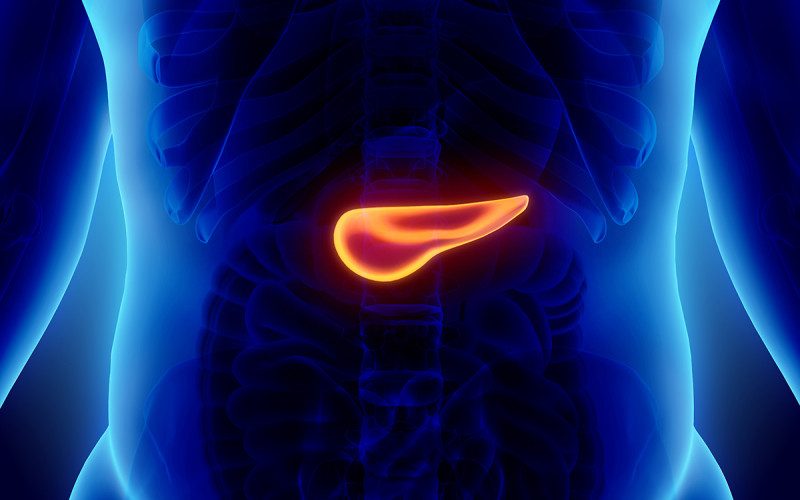
Just 7% of people with pancreatic cancer survive more than five years. Less than 2% are alive after ten years.
Yet among these dismal statistics is a faint glimmer of hope. Some people with pancreatic cancer manage to beat the odds, surviving for many years after their initial diagnosis — maybe even long enough for doctors to use the word “cure.”
“Nobody knows why these patients live longer than other people with pancreatic cancer,” says Vinod Balachandran, a surgeon-scientist affiliated with the David M. Rubenstein Center for Pancreatic Cancer Research and a member of the Parker Institute for Cancer Immunotherapy at Memorial Sloan Kettering who specializes in the disease. “But something is clearly setting them apart.”
In a study, he and his colleagues set out to identify what that something is. Suspecting that the immune system might be involved, they looked at the number of immune cells present in a tumor and found the more immune cells, the longer the survival.
What’s more, they were able to identify the particular components of the tumor that drew those immune cells in. The results, reported in the journal Nature, have implications for the design of more-effective immunotherapies for people with all types of cancer, including the deadly pancreatic cancer.
Dr. Balachandran and his colleagues, including Jedd Wolchok, Timothy Chan, Steven Leach, and Taha Merghoub, looked at patients whose pancreatic tumors were surgically removed and who in some cases received subsequent chemotherapy. Compared with pancreatic tumors from people who had low survival rates, tumors from long-term survivors (average survival of six years) had nearly 12 times the number of immune cells called T cells inside them.
T cells are specialized at distinguishing foreign invaders, like infections and cancer, from normal body cells. They recognize bits of proteins on the cells’ surface called antigens, which serve as a kind of molecular fingerprint.
Dr. Balachandran and his team took a closer look at the antigens found in the tumors. They focused on a subset of these called neoantigens, which cancer cells accumulate as a result of mutations when they divide. The group discovered that tumors of long-term survivors contained particularly good neoantigens — ones that T cells could recognize as foreign. As Dr. Balachandran explains, these neoantigens may have, in effect, uncloaked the tumors to T cells, allowing T cells to attack and kill them.
Even more striking, T cells recognizing these neoantigens were present in the blood of long-term survivors up to 12 years after the tumors had been removed by surgery. This result suggests that the immune system in these people had generated long-lasting “memory” of the cancer and was keeping it in check. “We think that these long-term survivors highlight how neoantigens can be used in generating long-lasting immune responses against tumors,” Dr. Balachandran says.
An advantage of the study was its relatively large size. “Before our work, the largest study looking at long-term survivors of pancreatic cancer had only eight patients,” Dr. Balachandran says. “We had 82.”
To further define what makes a good neoantigen, the MSK team joined up with computational biologists Benjamin Greenbaum and Marta Luksza from the Icahn School of Medicine at Mount Sinai. They built an algorithm to predict the best neoantigens out of the many possible ones. These results were reported in a separate article, also published in Nature.
Knowing what the immune system is seeing in particular tumors opens the door to therapeutic approaches geared toward deliberately focusing on these targets. For example, doctors could make a therapeutic cancer vaccine composed of several distinctive neoantigens identified from a patient’s own tumor. A form of personalized immunotherapy, this type of vaccine would help boost the immune system against those targets that are most likely to generate an effective and lasting immune response. Recent reports have demonstrated the feasibility of this approach in people with other cancers.
“We think our findings are a step forward in being able to predict rationally which neoantigens will be the most effective at stimulating an immune response,” he says. “We envision using these results to design more effective cancer vaccines to be used in combination with other immune therapies.”
The team is now engaging with the pharmaceutical companies Genentech and BioNTech to determine how to use these insights in clinical trials evaluating personalized neoantigen vaccines in a spectrum of cancers, including pancreatic cancer and melanoma. “We are determined to move this forward to clinical trials as quickly as possible,” Dr. Balachandran says.
This work received financial support from the National Institutes of Health, the Pancreatic Cancer Action Network-AACR Research Acceleration Network supported by Celgene, the Suzanne Cohn Simon Pancreatic Cancer Research Fund, the National Cancer Institute, the Damon Runyon Cancer Research Foundation, Stand Up To Cancer, the V Foundation for Cancer Research, the Lustgarten Foundation, the National Science Foundation, the Parker Institute for Cancer Immunotherapy, Dr. Robert and Mrs. Nancy Magoon, Cycle for Survival, the Marie-Josée and Henry R. Kravis Center for Molecular Oncology, the Ludwig Center for Cancer Immunotherapy, and Swim Across America.

Sheila Sky Kasselman was a doting grandmother enjoying life when she started to feel depressed.
“I also lost a ton of weight. I was nauseous all the time. I became diabetic. And then I wasn’t diabetic. So, I had a lot of symptoms and then I jaundiced,” explained Kasselman.
In September of 2007, doctors explained why – pancreatic cancer.
“When I was diagnosed not all that long ago, there was no one talking about this disease. It was a silent cancer. And I decided that if I lived, I was going to shout. And I’m still shouting.”
Kasselman is “shouting” through her non-profit she created months after her successful whipple surgery back in 2008.
The Sky Foundation aims to raise awareness about the disease and funding for innovative research.
Check out the VIDEO segment and full article HERE.

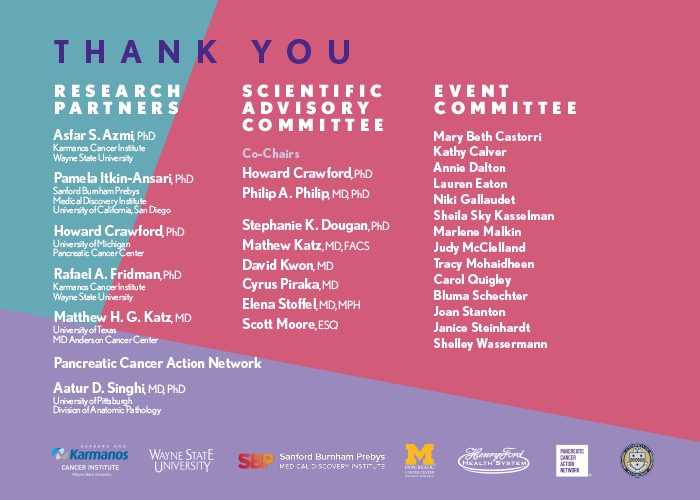
Sky Foundation Inc. celebrated Pancreatic Cancer Awareness Month with their biggest fundraiser of the year at The Henry Hotel on Sunday, November 3rd from Noon to 3pm. The crowd was full of energy and dedicated to Sky’s cause; raising awareness and funding for pancreatic cancer research. We had three wonderful speakers including Dr. Crawford (University of Michigan), Dr. Parikh (Henry Ford Health System) & Dr. Azmi (Karmanos Cancer Institute). The day was lead by phenomenal emcee, Guy Gordon (WJR Radio) who was accompanied by Chris Aslanian (Christopher Auctions).
To view the photo alum of the event, click HERE.

Sheila Sky Kasselman was diagnosed and treated for pancreatic cancer 12 years ago. Because of that she was determined to make a difference and formed the Sky Foundation to raise awareness and funding to aid research into earlier detection and treatment.
“Sky Foundation is doing very well and we’re funding a lot and we’re looking to fund, really, across the country,” Kasselman said.
Kasselman said raising money for the battle against pancreatic cancer is assisted when notable people come forward with their diagnoses.
Watch the news segment here: https://www.clickondetroit.com/health/good-health/pancreatic-cancer-is-one-of-the-most-difficult-cancers-to-beat-but-there-has-been-progress
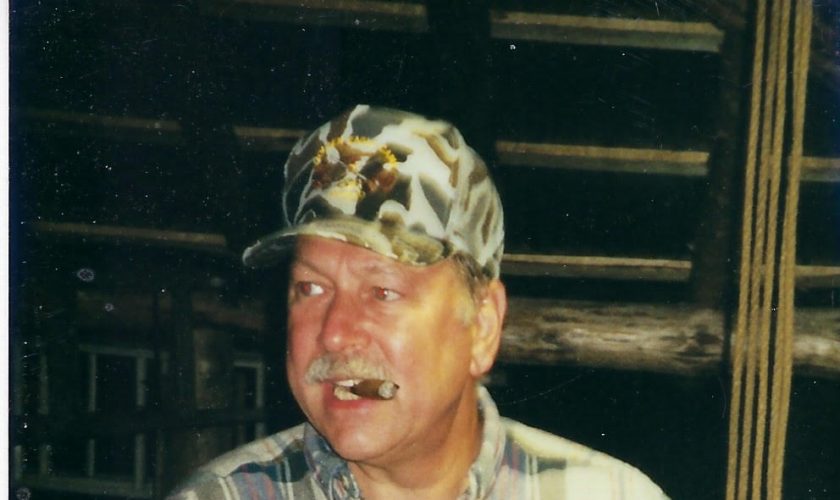
Richard Scott Custer
Richard “Scott” Custer, beloved husband of Martha “Marti” Lou Redman Custer died following a 2-month illness October 9, 2019. He was born in Detroit, MI, March 25, 1942 to Gladys P. Southard and Richard L. Custer. Scott was predeceased by his half brother Robert Rowland. Additionally, he is survived by his daughters Laura Marie Popp (William J. Popp) of Clarkston, MI and Jennifer Ann Pokorski (Michael P. Pokorski) of Brighton, MI. He is also survived by his grandchildren, M. Tyler Pokorski, Emily M. Popp, R. Blake Pokorski, Joseph C. Popp and Claire M. Pokorski who were the delights and pride of his life.
Scott was a lifelong resident of Michigan and was fiercely devoted to his state and especially to the Upper Peninsula of Michigan where he maintained property that he considered his legacy to his family.
Scott was admired and loved by many people for his numerous achievements both in business, the military and in life. He was largely a self-educated man, a voracious reader and a lifelong learner with wide ranging interests. While a young man he joined the US Army, 82nd Airborne and became a paratrooper. He had a successful career as a consultant for Ashland Foundry Products and served as a mentor to many young men in their careers.
While he never truly abandoned his secret desire to be a cowboy, in his heart he was a woodsman and a conservationist who managed his properties for wildlife preservation. He was a natural born teacher and delighted in sharing his wisdom and reverence for the outdoors especially with his grandchildren. Scott was a member of Stonycroft Hills Golf Club and played golf with varying degrees of success several times each week. His friends knew him as a larger than life personality and as a loyal friend who always had a joke or an entertaining story and one who often felt his stories worthy of repeating. He valued truth and honesty above all, and his word was his bond.
A military service will be held Sat. Oct 26 a 2 p.m. at Mount Avon Cemetery in Rochester, MI where his ashes will be interred. This will be followed by a Celebration of Life at 4 p.m. at Stonycroft Hills Golf club, in Bloomfield Hills, MI.

The news, coming during the court’s summer recess, is the second cancer scare for Ginsburg in the last year. In December 2018, doctors removed part of her lung after discovering cancerous nodules. Recovery from the surgery caused Ginsburg to miss public court sessions for the first time in her 25 years on the bench.
To read the full story on ABC News please click HERE.

Pancreatic cancer makes up just 3 percent of all cancers in America. But with a one-year survival rate of just 20 percent (and five-year survival rate of less than 8), it’s predicted to be the second leading cause of cancer-related death by 2020.
Headlines about the illness, as a result, tend to be discouraging. But this month scientists from Harvard University’s Dana-Farber Cancer Institute have released some much-needed good news. In their study, published in the journal Frontiers of Oncology on July 23, the researchers revealed that a chemical found in cannabis has demonstrated “significant therapy potential” in treatment of pancreatic cancer.
YAHOO Lifestyle talks more about this matter in their recent article; to read more click HERE.

But it has numerous jobs, one of which is keeping your blood sugar under control. If your blood sugar gets out of control, you may have diabetes.
Having diabetes puts you at a higher risk for some other serious illnesses like heart and kidney disease, vascular and vision problems, and stroke. What you may not know is that diabetes (both type 1 or type 2) also raises your risk of developing pancreatic cancer. In fact, doctors have known about the diabetes–pancreatic cancer connection for more than a century.
Let’s Win dives deeper into the what you need to know about pancreatic cancer and diabetes; to learn more click HERE.
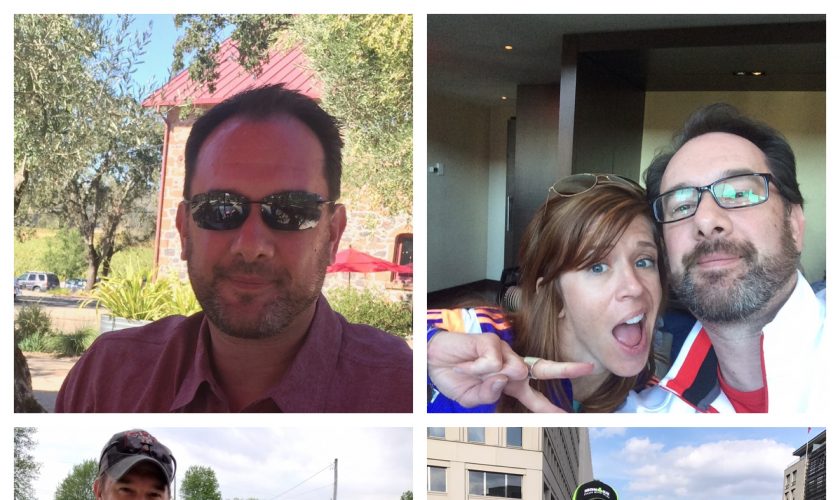
Mike was diagnosed with Stage 4 pancreatic cancer after going to the doctor for what he and his wife expected was an ulcer or other GI issues. He hadn’t had any long-term, noticeable symptoms and led a rather healthy lifestyle – eating well, routinely exercising and limiting all things bad – so the diagnosis was quite a shock. The doctors believe the cancer Mike had was one of the most aggressive forms of pancreatic cancer, giving him no time to react and start treatment. Mike and his family want to help people detect this silent cancer quicker and ask for your support of Sky Foundation. The organization funds innovative research for the early detection and treatment of pancreatic cancer through medical research and awareness.

But what if there was an early indicator of the disease? What if symptoms such as depression, sleep disturbance, and anxiety could tip people off that something is seriously wrong? While psychological symptoms are often a reaction to the disease and anxiety about treatments, experts increasingly believe they may also be a product of the disease process. In addition, there may be a very specific link with pancreatic cancer.
Read the whole article posted by Let’s Win on July 18 2019 HERE.