


close

Researchers

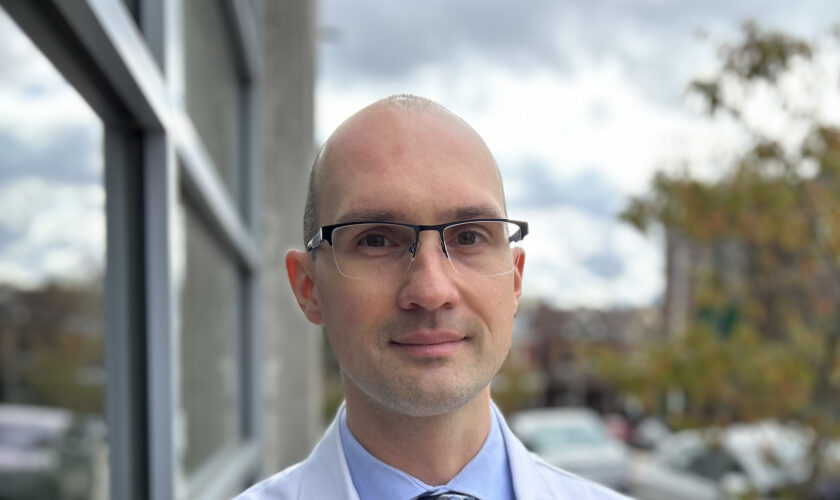
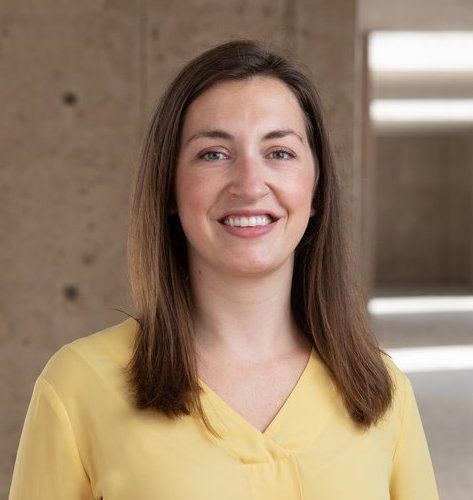
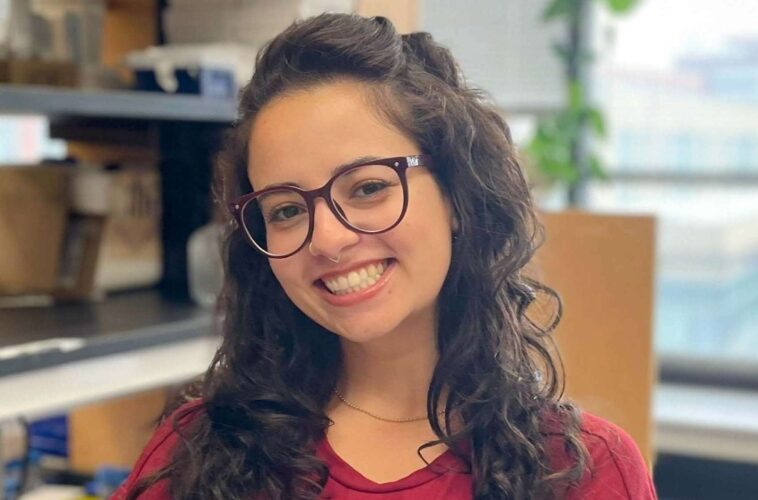
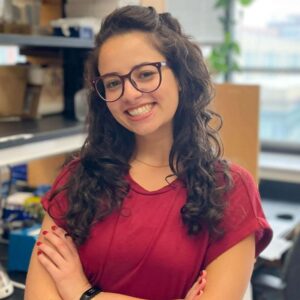
Mariana Tannus Ruckert, PhD | Rogel Cancer Center Michigan Medicine

Rogel Cancer Center Michigan Medicine

RESEARCH FUNDED BY SKY FOUNDATION, INC.

Title of Research: Defining the role of ER-mitochondrial dynamics in pancreatic tumorigenesis

Project Description:  Most pancreatic cancers begin in acinar cells, the cells
responsible for producing digestive enzymes. When these cells are damaged, such as
by inflammation, they may undergo a protective transformation known as acinar-to
ductal metaplasia (ADM). ADM is considered the first step in the development of
pancreatic cancer, and it requires a substantial amount of energy. This energy is
generated by mitochondria, which are the cell’s main source of power. Beyond producing
energy, mitochondria interact with other cell structures, such as the endoplasmic
reticulum (ER), which helps regulate their shape and function. Research has shown that
pancreatic cancer cells rely on smaller, shorter mitochondria to survive, and we believe
that the same change may be necessary for healthy cells to start turning malignant.
Additionally, we suspect that interactions between mitochondria and the ER play a
crucial role in this early transformation. Through this project, we aim to identify early
warning signs of pancreatic cancer and explore new ways to prevent healthy cells from
becoming malignant.

Bio: Mariana earned both her Master’s and Doctoral degrees at the
University of São Paulo in Brazil. As a Fulbright Doctoral Dissertation Research Award
grantee, she also conducted part of her research at the University of Kansas Medical
Center. During her PhD studies, Mariana investigated the role of dual-specificity
phosphatases in pancreatic cancer. Currently, her research is focused on exploring the
involvement of mitochondrial dynamics in the initiation of pancreatic cancer. Deeply
passionate about pancreatic cancer research, Mariana is driven by a commitment to
improving the lives of patients affected by this disease.


read more

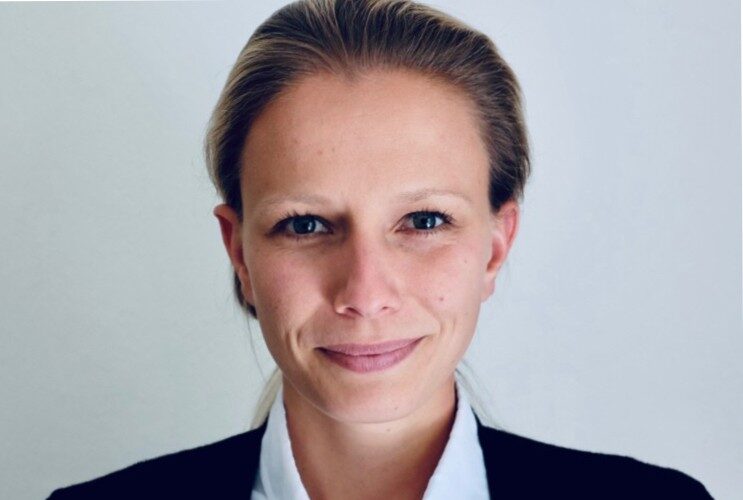
Harrison L Hiraki, PhD | University of Michigan, Department of Surgery

Harrison L Hiraki, PhD

University of Michigan, Department of Surgery

Rogel and Blondy Center for Pancreatic Cancer


Title of Research: Organotypic microfluidic system to interrogate tumor-endothelial cell crosstalk and identify drug targets to hinder metastatic disease


Brief Project Description: We leverage organotypic microfluidic systems within which tumor ductal structures are patterned adjacent to engineered vasculature. Along with transcriptomic and secretomic analysis, we plan to 1) identify tumor-associated vasculature signatures that contribute to vascular invasion and metastatic disease and 2) incorporate a panel of patient-derived tumor organoid lines within high-throughput microfluidics to screen drug targets that can disrupt tumor-vasculature signaling axes and vascular invasion.


Dr. Hiraki’s Bio

I am a postdoctoral research fellow in the Departments of Surgery and Cancer Biology at the University of Michigan under Dr. Timothy Frankel and Dr. Marina Pasca di Magliano with a long-standing goal of studying cancer cell invasion and metastasis. My research combines approaches from materials science, tissue engineering, and cell biology to engineer organotypic systems modeling the pancreatic tumor microenvironment. My current work incorporates patient-derived pancreatic tumor lines within vascularized microfluidic devices to investigate vasculature-tumor interactions with a long-term goal of identifying soluble crosstalk axes and drug targets that may help hinder vascular invasion and metastatic disease.

read more

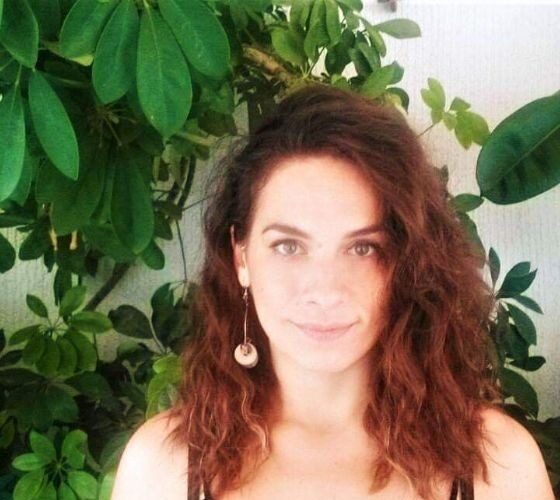
Adrianne Wallace-Povirk, PhD | Henry Ford Health, Pancreatic Cancer Center

Henry Ford Health System, Pancreatic Cancer Center

RESEARCH FUNDED BY SKY FOUNDATION, INC.

Title of Research:  Elucidating drivers of plasticity in subtypes of Pancreatic Cancer

Project Description:  Pancreatic cancer is not a uniform disease but is rather divided into two main subtypes termed “classical” and “basal.” Basal pancreatic cancer is more aggressive than classical, with poor prognosis and overall worse response to therapy. These subtypes represent opportunities for personalized medicine approaches if we can find unique biological targets between the two. Additionally, the subtypes of pancreatic cancer are not stationary but plastic, meaning they can interconvert, which alters signaling in the tumor and response to therapy.

My project focuses on deciphering one of these plasticity factors we believe to be a critical driver of the subtypes. We aim to test the influence this factor has upon the ability of pancreatic cancer cells to achieve plasticity, to show specific drug sensitivity, and to test the expression of this factor using donated patient tissue.

This work will inform us of the importance of this factor as a critical driver of the basal subtype and as a potential biomarker of disease.

Bio:  I am passionate about solving the most difficult and puzzling diseases and thus my work has spanned from studying cisplatin resistant ovarian cancer during graduate school, to pancreatic cancer, now, as a postdoctoral fellow.

As a graduate student at Wayne State University, my work focused on cancer metabolism and deciphering the role of one-carbon inhibitors on both tumor cells and tumor-associated macrophages.

Now, as a postdoctoral fellow at Henry Ford Pancreatic Cancer Center with Drs. Howard Crawford and Sita Kugel, I am studying the epigenetic factors which regulate the subtypes of pancreas cancer. My projects have focused on transcription factors and drug resistance as they influence plasticity between classical and basal pancreas cancer. The long-term goal is to decipher differential biology between the pancreatic cancer subtypes in order to find actionable drug targets to move to clinical trials.

read more

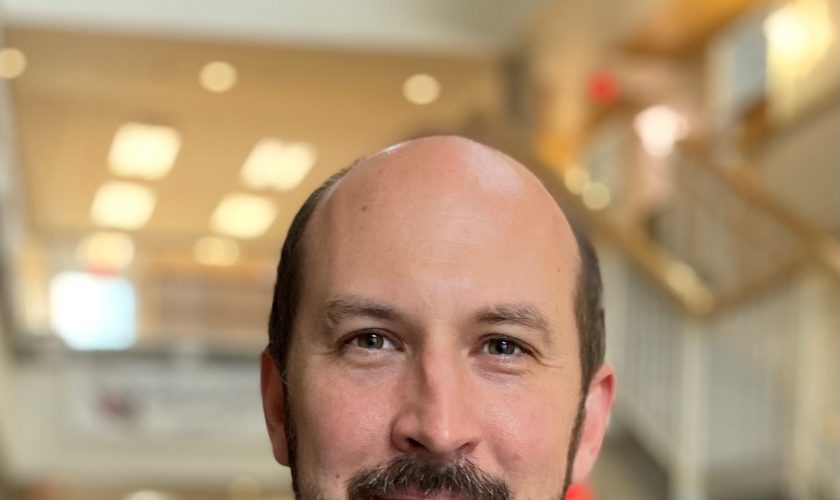
Peter Wang, PhD | Massachusetts General Hospital

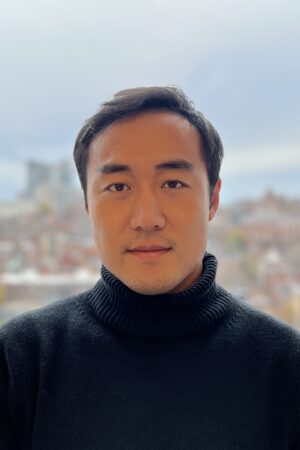
Peter Wang, PhD

Massachusetts General Hospital

Project Description: “Deciphering how cancer induced nerve injury affects immune responses in PDAC”

This project aims to investigate how nerve invasion by cancer cells, a process known as perineural invasion (PNI), affects immune system function in pancreatic cancer. Dr. Wang proposes to: 1) Determine how PDAC cells influence nerves and glia using 3D nerve invasion cocultures; 2) Examine how cancer-modulated nerves affects anti-tumor immune responses; 3) Test whether targeting nerve degeneration improves anti-tumor immunity. Ultimately, the goal is to find new combination strategies to enhance immune responses in PDAC, potentially improving treatment outcomes.

Dr. Peter Wang’s Bio: Dr. Wang completed his undergraduate studies in Biology at Cornell University. He received his PhD in Immunology from Washington University School of Medicine in St. Louis. For his PhD research, he investigated the transcriptional identity and function of macrophages and Schwann cells in peripheral nerve homeostasis and injury under the mentorship of Dr. Gwendalyn Randolph and Dr. Jeffrey Milbrandt. He is currently performing his postdoctoral research in the laboratory of Dr. William Hwang in the Center for Systems Biology at Massachusetts General Hospital, where he is studying the interplay between cancer, nerves, and the immune system in pancreatic cancer.

read more

Jurgis Alvikas, MD | University of Pittsburgh Medical Center, Department of Surgery, Division of Surgical Oncology

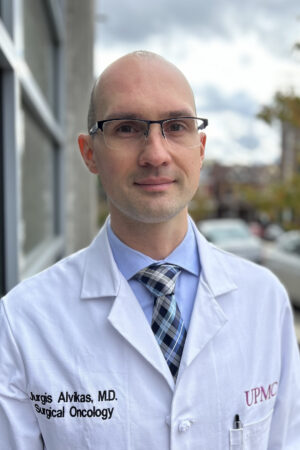
Jurgis Alvikas, MD

Complex General Surgical Oncology Fellow

University of Pittsburgh Medical Center

Project Description: “Platelet RNA signatures for early detection of pancreatic ductal adenocarcinoma”

Pancreatic ductal adenocarcinoma (PDAC) is an aggressive disease with poor prognosis and rising incidence. It is estimated to be the second leading cause of cancer-related death in the US by 2030. The only chance for long-term survival is surgical resection but only ~15% of PDACs are operable at the time of diagnosis. Effective methods of early detection of PDAC are therefore urgently needed. We hypothesize that circulating platelet RNA signature can distinguish patients with PDAC from patients with benign pancreatic diseases and healthy volunteers. Platelets contain a complex and dynamic repertoire of coding and non-coding RNA that respond to various stimuli. There is emerging evidence that circulating platelet RNA is altered in patients with neoplastic processes. In PDAC, several recent studies have shown significant transcriptomic and proteomic changes in circulating platelets. However, these studies were performed at a single institution and due to limited sample size, the findings have not been translated into a clinically useful tool yet. The present proposal will identify coding and non-coding platelet RNA signatures that identify PDAC and distinguish it from patients with benign pancreatic disease and from healthy volunteers. The results of this pilot study will serve as a foundation for development of larger prospective study that will validate the platelet RNA signatures.

Dr. Alvikas’s Bio: He was born in Trakai, Lithuania and emigrated to the US as a teenager. After high school in Chicago Public School system, he received my undergraduate degree at the University of Illinois at Urbana-Champaign and attended medical school at the University of Illinois at Chicago. He pursued General Surgery residency at the University of Pittsburgh Medical Center (UPMC) and am currently a Fellow in Complex General Surgical Oncology at UPMC. The motivation for his clinical and academic work comes from deeply personal experiences with cancer. His mom’s diagnosis of breast cancer sparked my interest in medicine and led him to pursue it as a career. His grandmother was diagnosed with and died from pancreatic cancer in 2022. Witnessing this deadly disease as a family member and not a healthcare provider reinforced the his sense of urgency towards pancreatic cancer research. Innovative and ambitious research projects are necessary to improve the lives of patients affected with this disease. His hope is to translate this investigation of platelet RNA signatures as an early detection method for pancreatic cancer into a clinically meaningful tool that we can use to find pancreatic cancer at an earlier stage and treat it more effectively. Under the mentorship of Dr. Randall Brand, an expert in pancreatic cancer diagnostics, the results of this Sky Foundation-funded study will serve as a foundation for larger future studies of biomarkers for pancreatic cancer detection.

read more

Jiao Shen | Dana-Farber Cancer Institute

Jiao Shen

Dana-Farber Cancer Institute

Project Title: “Identification of KRAS-specific TCRs from human peripheral blood”

We developed an efficient platform to detect KRAS-specific T cells in peripheral blood of patients with pancreatic cancer. Using a lentiviral expansion system in combination with mutant KRAS peptides, we enabled the high-throughput identification of KRAS-specific TCRs from PBMCs of pancreatic cancer patients and healthy individuals. Through in vitro stimulation and single-cell TCR analysis, we will quantify both CD4 and CD8 KRAS-specific TCRs in patients with a variety of HLA haplotypes.

Jiao Shen’s Bio:

Jiao’s research focuses on understanding how immune cells respond to or resist checkpoint blockade, aiming to identify potent therapeutic strategies for controlling primary tumors and preventing metastasis. As a graduate student, she engineered antibody-cytokine conjugates for local delivery of cytokine therapies to tumors. As a postdoctoral fellow in Stephanie Dougan’s lab, she aims to discover novel strategies to reactivate dysfunctional T cells and improve responsiveness to immunotherapies for patients with pancreatic cancer.

read more

Nina Steele, PhD | Henry Ford Health, Detroit, MI


Nina Steele, PhD 

Assistant Scientist & Translational Liason

Henry Ford Health


Project Title:  Immune suppression and racial disparities in pancreatic cancer progression


Nina Steele’s Bio:

Dr. Nina Steele, PhD is Early-stage investigator, Assistant Scientist at Henry Ford Hospital and Pancreatic Cancer Center. Her laboratory is focused on improving outcomes for pancreatic cancer patients through researching the tumor microenvironment. She has been focused on pancreatic cancer since her postdoctoral training at the University  of Michigan where I was a member of the Pancreas Disease Initiative group. She received mentoring throughout her training from several NIH funded investigators all focused on pancreatic cancer.  In 2022, she joined the Henry  Ford Pancreatic Cancer Center (HFPCC) to start her own lab as an Assistant Scientist in the Department of  Surgery. As one of 5 Principal Investigators in the center, she collaboratively works with the clinic on several  translational projects. The diverse patient population  and high-volume clinic in Detroit provide a unique opportunity for her lab to conduct high impact disparities  research, some of which she has already started.

read more

Lisa Miller-Phillips, MD | University of California San Francisco

Lisa Miller-Phillips, MD

Postdoctoral Scholar, Medicine

School of Medicine

University of California San Francisco 


Project Title: Histological and transcriptional characterization of organotropism in Pancreatic Ductal Adenocarcinoma (PDAC) with focus on the “Lung Only” metastatic variant


Dr. Miller-Phillips’ Bio: 

Dr. Miller-Phillips is a clinically practicing medical doctor and researcher with a focus in GI-oncology. Her recent work includes translational research on predictive and prognostic biomarkers in the treatment of gastrointestinal tumors, with the main aims of exploring gene mutations within the EGFR-signaling pathway and finding biomarkers to predict the efficacy of EGFR antibody therapy. Her goal is to help advance precision medicine for cancer treatments.  

read more

Simone Benitz, PhD | Henry Ford Health, Detroit, MI

Simone Benitz, PhD

Crawford Lab | Henry Ford Health

Post doc | Department of Surgery

Project Title:      ROR2, a Novel Driver of Pancreatic Cancer Progression with Therapeutic Potential

Project Description: Dr. Benitz’s team discovered that Receptor Tyrosine Kinase Like Orphan Receptor 2 (ROR2) is expressed early in transformation. Additional experiments revealed that ROR2 can be detected in a larger group of pancreatic cancer cells. CRISPR/Cas9-mediated ROR2 knockout cells will be generated to assess if loss of ROR2 can induce cellular reprogramming towards a decreasing and less malignant phenotype. In addition, the therapeutic benefit of drug-targeting the identified ROR2 downstream molecules, KDM1A, HDAC2 and AKT, will be assessed; with the goal of identifying novel therapeutic strategies to combat this disease.


Dr. Benitz’s Bio

Dr. Simone Benitz has been a postdoctoral researcher in the lab of Dr. Howard Crawford, initially at the
University of Michigan, and now at the Henry Ford Hospital in Detroit. She received her PhD at the
Technical University in Munich, Germany, studying epigenetic alterations in pancreatic cancer. Her
primary research interests are the investigation of transcriptional and epigenetic changes that drive
cellular reprogramming in pancreatic cancer initiation as well as late-stage tumor progression. Dr. Benitz
aims to become an independent researcher with the goal of detecting novel molecular markers that can
be used for early diagnosis and exploited for therapeutic intervention, improving the quality of life of
patients.

read more

Despoina Kalfakakou, PhD | NYU Langone Health

Despoina Kalfakakou, PhD  

Post-Doctoral Bioinformatics Fellow  

Simeone Lab Tsirigos Lab  

NYU Langone Health  


Project Title:  Therapeutic impact of clonal heterogeneity of human pancreatic adenocarcinoma


Dr. Kalfakakou’s Bio:

Dr. Kalfakakou is a Professor of Pathology and Medicine, Co-Director of Precision Medicine and Director of the Applied Bioinformatics Laboratories at the NYU Grossman (SoM). She has more than 18 years of experience in genomics and machine learning at NYU and IBM Research. She has co-authored 130+ studies in peer-reviewed journals, including high-impact studies in cancer genomics and epigenomics, high-throughput single-cell transcriptomic analyses and cancer diagnostics using machine learning. Currently, her team includes 25 computational biologists and data scientists (faculty, research staff and trainees) and their vision is to leverage domain-specific expertise, big data and computational techniques to eventually help transform clinical practice to the benefit of our patients. 


read more

Arnav Mehta, MD, PhD | The Eli and Edythe L. Broad Institute of MIT and Harvard |Harvard Medical School| Massachusetts General Hospital

The Eli and Edythe L. Broad Institute of MIT and Harvard |Harvard Medical School| Massachusetts General Hospital

RESEARCH FUNDED BY SKY FOUNDATION, INC.

Project Title: Discovery of Selective Vulnerabilities of Plastic and Mesenchymal Tumor Cell States in Pancreatic Cancer

Project Description: This study aims to address a major issue in pancreatic cancer treatment resistance by identifying vulnerabilities in the cells that resist chemotherapy. Dr. Mehta proposes to: 1) Test predicted pancreatic-cancer vulnerabilities in mesenchymal cells found in the Broad Institute Cancer Dependency Map; 2) Perform whole Genome Genetic Screening to identify pancreatic cancer-specific cells that develop into connective tissue, blood vessels, and lymphatic tissue; and 3) Perform Chemical Compound Screening in novel lineage-barcoded pancreatic cancer cell lines to identify its reaction in plastic cells.

Bio: Dr. Mehta completed his undergraduate studies at Duke University in mathematics and chemistry. He then completed his combined MD and PhD degrees at the David Geffen School of Medicine at University of California, Los Angeles and the California Institute of Technology, respectively. He performed his PhD work in the laboratory of Nobel Laureate Dr. David Baltimore, during which he discovered novel roles of microRNAs in hematopoietic stem cell function and in leukemia.

Dr. Mehta subsequently completed his residency in internal medicine at Massachusetts General Hospital followed by a combined hematology/oncology fellowship at the Massachusetts General Hospital, Brigham Women’s Hospital and Dana Farber Cancer Institute. As a fellow, Dr. Mehta completed his postdoctoral research in the laboratories of Dr. Eric Lander and Dr. Nir Hacohen. During this time he developed experimental and computational methods to study resistance mechanisms of pancreatic, gastroesophageal and colorectal cancers using single-cell and spatial genomics technologies on patient samples and in vitro models.

Currently, as a member of the gastrointestinal cancer group at the Massachusetts General Hospital Cancer Center, Dr. Mehta works in multidisciplinary teams to optimize care for patients and leads the translational studies across several gastrointestinal clinical trials. Dr. Mehta’s research interests include studies of tumor cell plasticity and resistance mechanisms using cutting-edge high throughput screens, single-cell genomics and lineage tracing technologies.

read more

Scott A. Gerber, PhD | University of Rochester Medical Center

Scott Gerber, PhD

Associate Professor & Co-Director; Center for Tumor Immunology Research | University of Rochester Medical Center

Departments of Surgery, Microbiology/Immunology, & Radiation Oncology

Project Title:      Novel Neoadjuvant Therapy for Resectable Pancreatic Ductal Adnocarcenoma (PDAC) Patients

Project Description: Dr. Gerber’s laboratory has developed a combined therapy consisting of Stereotactic Body Radiotherapy (SBRT) followed by the Immunotherapeutic IL-12 treated locally using mRNA technology. He predicts that when used with chemotherapy/radiation/hormone therapy, this will prepare the immune system to protect against metastatic recurrence following surgical removal of the primary tumor. Future plans will translate these findings into a clinical trial for PDAC patients eligible for surgical removal.


Dr. Gerber’s Bio

Dr. Scott Gerber is an Associate Professor in the Department of Surgery and Co-Director of the Center for Tumor Immunology Research at the University of Rochester Medical Center with over two decades of experience as a tumor immunologist.

After completing his PhD in Immunology at the University of Rochester, New York, in 2005, Dr. Gerber undertook a three-year postdoctoral position at Yale University, before returning to the University of Rochester.

The majority of Dr. Gerber’s research has been focused on developing novel pancreas cancer therapies, and his major interest is in overcoming tumor-induced immune suppression and enhancing the efficacy of radiotherapy treatment. His team has recently identified a highly promising combination of therapies, using a targeted radiotherapy treatment and intertumoral injection with an immune-modulating cytokine technology that, if successful in human trials, will result in a vast improvement in treating or extending survival, which is currently exceptionally low, of pancreatic cancer patients.

read more

Chris Halbrook, PhD | Chao Family Comprehensive Cancer Center

Chris Halbrook, PhD

Assistant Professor

Department of Molecular Biology and Biochemistry

Chao Family Comprehensive Cancer Center

Christopher Halbrook, PhD, is an Assistant Professor at the University of California Irvine in the Department of Molecular Biology and Biochemistry with memberships in the Chao Family Comprehensive Cancer Center, UCI Cancer Research Institute, and UCI Institute for Immunology. His dedication to pancreatic cancer research began in his graduate training with Dr. Howard Crawford at Stony Brook University and The Mayo Clinic and was strengthened during his postdoctoral fellowship at the University of Michigan with Drs. Costas Lyssiotis and Marina Pasca di Magliano.

The research in the Halbrook lab focuses on identifying and targeting interactions among cell populations found in pancreatic tumors. These techniques have led to seminal findings describing mechanisms of metabolic crosstalk with functional consequences on tumor growth, chemoresistance, and immune suppression. Through the support of Sky Foundation, the Halbrook lab is using patient-derived organoid models to identify and target metabolic mechanisms of chemoresistance in pancreatic cancer. Through this work, they expect to make significant inroads toward improving the patient response to standard-of-care therapies.


read more

Kathleen DelGiorno MD, PhD | Vanderbilt University

Kathleen DelGiorno, PhD, MD

Assistant Professor 

Department of Cell and Developmental Biology

Vanderbilt University 

Dr. Kathy DelGiorno is an Assistant Professor in the Department of Cell and Developmental Biology at Vanderbilt University. She is an Air Force veteran and a graduate of the United States Air Force Academy where she studied Biology. She has a Master’s degree in Pharmacy from the University of Florida and received her Ph.D. in Molecular Genetics and Microbiology from Stony Brook University. She completed her Postdoctoral Fellowship at the Salk Institute for Biological Studies, conducting pancreatic cancer research. She has over 14 years of experience in this field and her program at Vanderbilt combines various RNA-sequencing approaches with ultrastructural microscopy and genetically engineered mouse models to understand pancreatic tumor formation and progression. In collaboration with Dr. Nidhi Jyotsana, a Bioengineer and Research Assistant Professor in her laboratory, she is studying the use of lipid nanoparticle encased RNA therapies for the treatment of pancreatic cancer.

Nearly all cases of pancreatic cancer are caused by mutation of the KRAS gene. KRAS mutations alter many cellular functions, including metabolism. Recently, blocking uptake of cystine by metabolite transporter SLC7A11 has been shown to efficiently kill pancreatic cancer cells. With the help of the Sky Foundation, Dr. DelGiorno, an expert in pancreatic tumorigenesis, and Dr. Nidhi Jyotsana, a Bioengineer and cancer biologist, are combining RNA targeting strategies and biocompatible lipid nanoparticles to directly target KRAS and SLC7A11 gene expression. While there has been hesitancy employing RNA-based therapies in the past, they have now been shown to be safe and effective in the clinic. Over the last year, lipid nanoparticle-RNA technology has come of age, with the SARS-CoV-2 vaccine, based on this technology, being administered to >150 million Americans. Our goal is to develop safe, effective LNP-RNA strategies for pancreatic cancer patients.

read more

Ben Z. Stanger, MD, PhD | Hanna Wise Professor of Cancer Research

Perelman School of Medicine
University of Pennsylvania

Bio: After receiving his S.B. degree from MIT and a combined MD and PhD from Harvard Medical School, Dr. Stanger completed a residency in Internal Medicine at the University of California, San Francisco, a clinical fellowship in Gastroenterology at Massachusetts General Hospital, and a research fellowship in Molecular Biology at Harvard. In 2006, he joined the Penn faculty as a member of the Gastroenterology Division and the Abramson Family Cancer Research Institute.

Dr. Stanger’s laboratory investigates multiple aspects of pancreatic cancer biology, including metastasis, tumor immunology, metabolism, and therapy resistance. His research integrates mouse models and human data to identify new vulnerabilities that can be assessed clinically. He is currently the Hanna Wise Professor in Cancer Research at the University of Pennsylvania, where he serves as Director of the Pancreatic Cancer Research Center (PCRC). Professor of Medicine and Cell and Developmental Biology Investigator, Abramson Family Cancer Research Institute Director, Penn Pancreatic Cancer Research Center (https://www.med.upenn.edu/pcrc/).


read more

Richard Kwon, MD, MS

Michigan Medicine, University of Michigan

Richard Kwon, MD, MS is an Interventional Endoscopist at University of Michigan with expertise in endoscopic ultrasound and pancreatology.  He is co-Director of the Comprehensive Pancreas Program and leads the Benign Pancreas Conference. He also is active in the Multidisciplinary Pancreas Cancer clinic and tumor board. His research interests center on developing innovative methods for early detection of pancreatic cancers. 

Dr. Kwon and Dr. Carpenter collaborated to develop a platform for improved detection of early pancreatic cancer in patients with pancreatic cysts.  Specifically, they will utilize quantitative image analysis (radiomics) and primary culture of cyst fluid to improve the ability to differentiate between malignant and benign mucinous cysts. As of October 2022, Eileen Carpenter has opened up her own lab which she will have different research projects being conducted and Dr. Kwon will continue this current project with his team.

“Early detection of cancers in patients with pancreatic cystic neoplasms.” 

Pancreatic cysts are still the only identifiable precursor lesions for pancreatic cancer. However, current cross-sectional imaging and cyst fluid analysis still lack sensitivity and accuracy in correctly identifying cancer. This lack of accuracy translates into missed cancers or unnecessary diagnostic test and surgeries. In this proposal, our group is trying to address the need for more accurate biomarkers for early cancers. Our strategy is to harness the untapped potential in cross-sectional imaging and cyst fluid, utilizing quantitative image analysis (a process pioneered here called analytic morphomics) and primary culture of cyst fluid, respectively, to improve the ability to differentiate between malignant and benign mucinous cysts. 

read more

Nikki Lytle, PhD | Medical College of Wisconsin, MCW Cancer Center, LaBahn Pancreatic Cancer Program

Assistant Professor
Department of Surgery
Medical College of Wisconsin
MCW Cancer Center
LaBahn Pancreatic Cancer Program


Nikki Lytle, PhD, is an Assistant Professor in the Department of Surgery at the Medical College of Wisconsin. Her work focuses on microenvironmental factors that contribute to pancreatic cancer metastasis with the goal of identifying novel therapeutic targets for preventing metastatic progression.


“Interception of pancreatic cancer metastasis by targeting tissue wound repair”.

Dr. Lytle’s research seeks to understand environmental signals that influence metastatic progression in pancreatic cancer. The goal is to develop therapeutic approaches for preventing tumor cell survival and outgrowth in distant organs. The proposed research is designed to address how tissue damage, which leads to chronic inflammation and initiation of wound-healing regenerative programs, impacts pancreatic cancer metastasis.

This work is a continuation of her research in Dr. Geoffrey Wahl’s laboratory at the Salk Institute.

Geoffrey Wahl laboratory
The Salk Institute for Biological Studies
San Diego, California 

Read the December 2020 Research Update here. 

read more

Aatur Singhi, MD, PhD | University of Pittsburgh Medical Center

University Of Pittsburgh Medical Center

Dr. Singhi is a surgical pathologist with sub-specialty training in gastrointestinal, liver, and pancreatobiliary pathology. His diagnostic expertise includes both neoplastic and non-neoplastic diseases of the gastrointestinal system, liver, biliary tract, pancreas and peritoneum.

His current research focus is primarily translational in the area of gastrointestinal, pancreatic, hepatobiliary and peritoneal pathology


CLICK HERE TO READ ABOUT DR. SINGHI’S RESEARCH FUNDED BY SKY FOUNDATION, INC.


read more

Pancreatic Cancer Action Network

Founded in 1999, the Pancreatic Cancer Action Network (PanCAN) is dedicated to fighting the world’s toughest cancer. In our urgent mission to save lives, we attack pancreatic cancer on all fronts: research, clinical initiatives, patient services and advocacy. Our effort is amplified by a nationwide network of grassroots support.  We are determined to improve outcomes for today’s patients and those diagnosed in the future.


Read The December 2020 Research Update Here. 

CLICK HERE TO READ ABOUT PANCAN’S RESEARCH FUNDED BY SKY FOUNDATION, INC.


12-year Survivor Funds Research and Gives Hope

read more

Pamela Itkin-Ansari, PhD | Sanford-Burnham-Prebys Medical Discovery Institute, University of California, San Diego

Sanford-Burnham-Prebys Medical Discovery Institute, University Of California, San Diego

My lab recently found that a single gene reprograms pancreatic cancer cells back to their original cell type, halting tumor growth in animals. There is precedent for a cell reprogramming strategy in cancer treatment; this approach changed a once lethal leukemia, acute promyelocytic leukemia (APL), into a curable disease. To exploit the previously unrecognized plasticity of pancreatic cancer cells, we developed a drug screening platform. From a screen of 4300 known drugs we have identified several compounds that appear to regulate the pathway of interest.  With help from the Sky Foundation we propose to evaluate the potential ‘hits’ in mechanistic studies in cells and in an animal model of pancreatic cancer. Our ultimate goal is to identify a drug, or drug combination, that can be translated to the clinic as a novel reprogramming therapy for pancreatic cancer.

read more

Howard Crawford, PhD

Howard C. Crawford, PhD

Scientific Director, Henry Ford Pancreatic Cancer Center | Chief Scientific Officer, Sky Foundation Scientific Advisory Committee

Overview

Dr. Howard Crawford is the Scientific Director of the Henry Ford Pancreatic Cancer Center in Detroit, Michigan, and serves as Chief Scientific Officer (CSO) of the Sky Foundation Scientific Advisory Committee (SAC). His research focuses on how tumor cells and immune cells communicate to drive pancreatic cancer progression and on developing early-detection biomarkers for at-risk patients.

Leadership & Roles

  • Scientific Director – Henry Ford Pancreatic Cancer Center (Henry Ford Health)
  • Professor – Molecular & Integrative Physiology and Internal Medicine, University of Michigan
  • Director – Pancreas Research Program, University of Michigan, Ann Arbor
  • Chief Scientific Officer – Sky Foundation Scientific Advisory Committee (SAC)

Role within Sky Foundation

As CSO of Sky Foundation’s Scientific Advisory Committee, Dr. Crawford works closely with Sky’s leadership, staff, and partners to shape research priorities that advance the Foundation’s mission in early detection, education, and advocacy. He oversees the scientific review process, ensuring fairness, rigor, and alignment with Sky’s goals. After grant submissions close, Dr. Crawford coordinates with external reviewers so that each proposal receives multiple independent evaluations, with no reviewer from an applicant’s own institution. He leads the SAC’s in-depth deliberations to narrow six leading proposals down to three finalists, which are then presented to Sky’s Governing Board for final approval.

Sky Foundation-Funded Research

Project Title: Immune Responses in Patients with Chronic Pancreatitis and Pancreatic Cancer
Principal Investigator: Howard Crawford, PhD
Institution: University of Michigan / Henry Ford Health System

Project Summary

Supported by Sky Foundation, Dr. Crawford’s lab investigates the immune responses in patients with chronic pancreatitis and pancreatic cancer to identify early detection biomarkers that can distinguish between these conditions using a simple blood test.

  • Focuses on how risk factors, such as chronic pancreatitis, promote tumor initiation and progression.
  • Utilizes two advanced technologies to map immune-tumor interactions:
    • Technique 1 – CyTOF: Measures up to 30 cell-surface markers simultaneously, creating a detailed immune-cell signature from circulating blood.
    • Technique 2 – Single-Cell Sequencing: Analyzes gene expression of individual immune and tumor cells to reveal cellular communication networks.

Key Findings

  • Unique Immune Signature: Pancreatic cancer patients display a distinct immune-cell profile compared to normal and chronic pancreatitis patients.
  • Early Detection Potential: Longitudinal blood-sample testing of at-risk patients aims to detect emerging immune signatures that signal tumor formation before symptoms occur.
  • Novel Crosstalk Pathways: Single-cell data reveal new immune-suppressive communication channels between tumor and immune cells—potential therapeutic targets for immune reactivation.

Scientific Contributions

  • Leader in pancreatic tumor biology and immune microenvironment research.
  • Published extensively on cell signaling, inflammation, and early tumor initiation mechanisms in PDAC.
  • Advocates for multidisciplinary, translational approaches linking basic research and clinical discovery.

Selected Publications

  • Inflammation and the origins of pancreatic cancerTrends in Cancer, 2022 (PubMed)
  • Immune cell crosstalk defines early pancreatic tumorigenesisGastroenterology, 2021 (PubMed)
  • Pancreatitis as a predisposing condition for pancreatic cancerAnnual Review of Pathology, 2020 (PubMed)

Recognition & Impact

  • Nationally recognized expert in pancreatic inflammation, immune-oncology, and tumor initiation.
  • Recipient of Sky Foundation Research Grant supporting discovery of early immune biomarkers.
  • Frequent keynote speaker and advisor for national pancreatic research initiatives.

Institutional Links


read more

Rafael A. Fridman, PhD | Wayne State University, Karmanos Cancer Institute, Detroit

Wayne State University, Karmanos Cancer Institute, Detroit

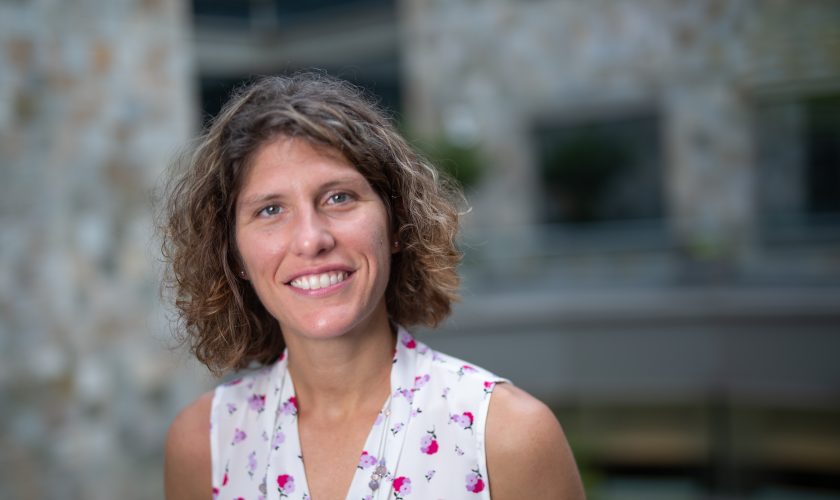
Fridman is a scientific member of the Tumor and Microenvironment Program at the Karmanos Cancer Institute and a professor in the Department of Pathology at Wayne State University’s School of Medicine. Fridman’s research, in collaboration with Howard Crawford (above), is to investigate the role of fibrosis in pancreatic cancer with a focus on cancer cell-collagen interactions. The project is expected to explain the regulation and role of the Discoidin Domain Receptors (DDRs).
In addition, the study is expected to uncover the likely major contribution of collagen to tumor behavior and progression. Fibrosis and the associated collagen have been shown to act as critical barriers to delivery of therapeutic drugs.

Read The December 2020 Research Update Here. 

Read the December 2019 Update Here

RESEARCH FUNDED BY SKY FOUNDATION, INC.

PROJECT TITLE: TARGETING COLLAGEN-INITIATED PRO-MALIGNANT PROGRAMS IN PANCREATIC CANCER

PRINCIPLE INVESTIGATORS:

Rafael Fridman, Ph.D., Professor, Department of Pathology, Wayne State University School of Medicine, Karmanos Cancer Institute, Detroit

Howard Crawford, Ph.D., Professor, Molecular & Integrative Physiology, and Internal Medicine. Director, Pancreas Research Program, University of Michigan, Ann Arbor

PROJECT SUMMARY:

The five-year survival of Pancreatic Ductal Adenocarcinoma (PDAC) patients is a dismal 9%, emphasizing the urgent need for new therapies

One of the striking hallmarks of PDAC is the intense collagen-rich fibrotic scar tissue within the tumor. In PDAC, the fibrotic tissue is associated with disease aggressiveness, including promotion of tumor growth, drug resistance, and metastasis

The aim is to suppress the pro-malignant effects of collagen in PDAC. The collaborative research focuses on a unique set of receptors known as the Discoidin Domain Receptors (DDR), which send pro-tumor signals in response to collagen, such as that found in PDAC

Fridman and Crawford hypothesize that targeting DDR activity in PDAC will suppress the pro-malignant effects of the collagen-rich environment and improve patient outcome

Consistent with this premise, previous and ongoing studies in their labs have identified DDR1 as a key player in the progression of PDAC in a mouse model that recapitulates human pancreatic cancer progression

Tumor progression is significantly impeded in mice engineered with no DDR1 gene

The researchers have now obtained a small molecule inhibitor of DDR1 and plan to use it in mouse models to test if this drug increases the lifespan of mice with pancreatic cancer by inhibiting tumor progression and metastasis

read more

Kirsten L. Bryant, PhD

Lindeberger Comprehensive Cancer Center
University of North Carolina at Chapel Hill

Kirsten L. Bryant, PhD

Assistant Professor, Department of Pharmacology | UNC Lineberger Comprehensive Cancer Center

Overview

Dr. Kirsten L. Bryant is a cancer biologist at the UNC Lineberger Comprehensive Cancer Center and the University of North Carolina at Chapel Hill. Her laboratory investigates how the KRAS oncogene drives metabolic reprogramming and autophagy to sustain pancreatic cancer growth. She completed her postdoctoral fellowship in Dr. Channing Der’s laboratory at UNC-Chapel Hill, where she defined key KRAS-regulated metabolic vulnerabilities in pancreatic ductal adenocarcinoma (PDAC).

Research Program & Focus

  • KRAS-Driven Metabolism: Studies the mechanisms by which oncogenic KRAS alters metabolic fluxes to fuel PDAC progression.
  • Autophagy Regulation: Explores how KRAS and downstream ERK/MAPK signaling modulate autophagy and how autophagy supports tumor survival (PubMed study).
  • Therapeutic Targeting: Tests combination strategies pairing ERK or MEK inhibitors with autophagy inhibition (HCQ and novel agents).

Clinical Translation & Trials

Findings from Dr. Bryant’s group helped launch first-in-human studies evaluating combined pathway and autophagy blockade:

  • Phase I Trial: MEK inhibitor binimetinib + HCQ (NCT04132505)
  • Phase II Trial: ERK inhibitor LY3214996 + HCQ (NCT04386057)
  • Ongoing efforts seek improved, selective autophagy inhibitors by validating a lipid-kinase target in the endocytic pathway and performing CRISPR/Cas9 loss-of-function screens to identify autophagy genes essential for PDAC cell survival.

Selected Publications

  • Combination of ERK and autophagy inhibition as a treatment approach for pancreatic cancer. Cell Reports 2019 — demonstrated ERK inhibition induces autophagy dependence in PDAC (PubMed).
  • Concurrent inhibition of IGF1R and ERK increases pancreatic cancer sensitivity to autophagy inhibitors. Cancer Research 2022 (AACR Journal link).

Awards & Recognition

  • Pew-Stewart Pathway to Leadership Award, Pancreatic Cancer Action Network / AACR (2015)
  • Developmental Research Award, Washington University Pancreatic SPORE (2019)
  • Innovation Award, UNC Lineberger (2020)
  • William Guy Forbeck Scholar Award (2020)
  • PanCAN Therapeutic Accelerator Collaborative Award (2022)
  • Stimulus Award, UNC Lineberger (2023)

Career Timeline

  • Postdoctoral Fellowship: Dr. Channing Der Lab, UNC Chapel Hill – KRAS signaling & autophagy
  • Independent Lab: Established metabolic and autophagy research program in PDAC
  • Preclinical Discovery: Identified ERK/MEK + autophagy inhibitor synergy
  • Clinical Translation: Co-led MEKi + HCQ and ERKi + HCQ clinical trials

Institutional Roles & Affiliations

  • Assistant Professor, Department of Pharmacology, University of North Carolina at Chapel Hill
  • Member, UNC Lineberger Comprehensive Cancer Center
  • Collaborator, Pancreatic Cancer Action Network & Therapeutic Accelerator Consortium

Sources & References

Read the December 2020 Research Update here. 


read more

Asfar S. Azmi, PhD | Wayne State University & Barbara Ann Karmanos Cancer Institute

Wayne State University, Detroit

RESEARCH FUNDED BY SKY FOUNDATION, INC.

PROJECT TITLE: PHASE IB/II CLINICAL STUDY USING SELINEXOR (KPT-330), GEMCITABINE HYDROCHLORIDE, AND PACLITAXEL ALBUMIN-STABILIZED NANOPARTICLE FORMULATION IN TREATING PATIENTS WITH METASTATIC PANCREATIC CANCER

PRINCIPAL INVESTIGATOR: Asfar Azmi, Ph.D., Assistant Professor, Department of Oncology, Karmanos Cancer Institute and Wayne State University School of Medicine

PROJECT SUMMARY: Dr. Azmi and his team developed a novel small molecule drug that targets the nuclear protein export machinery. His team has shown that the nuclear protein export inhibitor (selinexor) is active against pancreatic cancer cell line models and tumor models. This work led to a clinical trial at Karmanos Cancer Institute and invaluable response was observed in patients with metastatic pancreatic ductal adenocarcinoma. Dr. Azmi’s team is currently evaluating the underlying reasons for response to this drug and also identifying the causes of resistance to better screen patient population ideal for selinexor based trials. Seed funding from Sky Foundation resulted in a large grant awarded to Dr. Azmi from National Cancer Institute and National Institutes of Health (NIH).

PROJECT TITLE: A NOVEL THERAPY FOR PANCREATIC NEUROENDOCRINE TUMORS

PRINCIPAL INVESTIGATOR: Asfar Azmi, Ph.D., Assistant Professor, Department of Oncology, Karmanos Cancer Institute and Wayne State University School of Medicine

PROJECT SUMMARY: Conduct research in the identification of novel therapeutic targets in pancreatic cancer subtypes.  Dr. Azmi’s laboratory discovered two important proteins, the p21 activated kinase 4 (PAK4) and Nicotinamide Phosphoribosyltransferase (NAMPT), that play a critical role in the development of pancreatic ductal adenocarcinoma and pancreatic neuroendocrine tumors. A drug has been identified that targets these two pancreatic cancer sustenance proteins. The drug is effective in blocking the growth of pancreatic cell lines and patients derived tumors. Plans are in the works to initiate a Phase I clinical study testing the safety and efficacy of the drug in patients with pancreatic neuroendocrine tumors.

Bio: Dr. Asfar Azmi is Associate Professor & Director of Pancreas Cancer Research & Co-Leader of Tumor Biology and Microenvironment Research Program at Karmanos Cancer Institute Wayne State University School of Medicine.  In collaboration with Ramzi Mohammad (below), he has worked extensively in the area of small-molecule-inhibitor drug development. This has led to rapid clinical translation of Selinexor, a new drug in Phase Ib/II trials at Karmanos Cancer Institute in Detroit.

Azmi has published more than 90 peer-reviewed articles and numerous editorials in journals.

Asfar Azmi, Ph.D. receives 2021 Kales Award for breakthrough in pancreatic ductal adenocarcinoma

Click here to read the December 2020 research update.

read more
Donate Now