
close

Scientific Advisory Committee

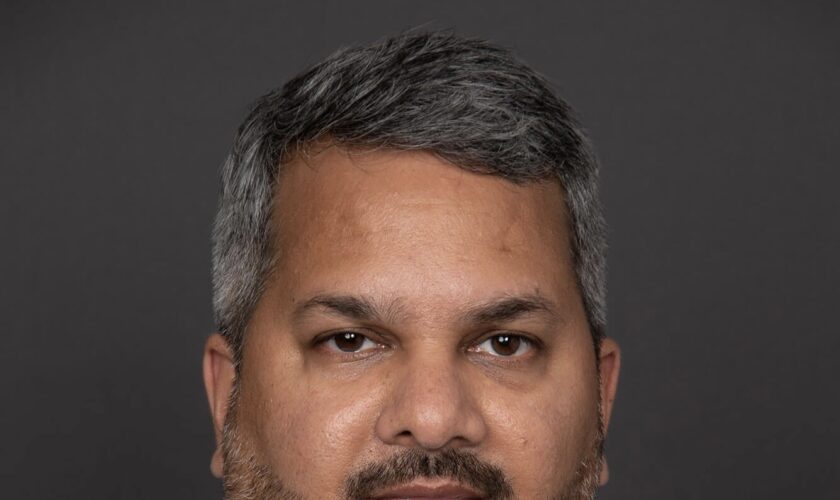
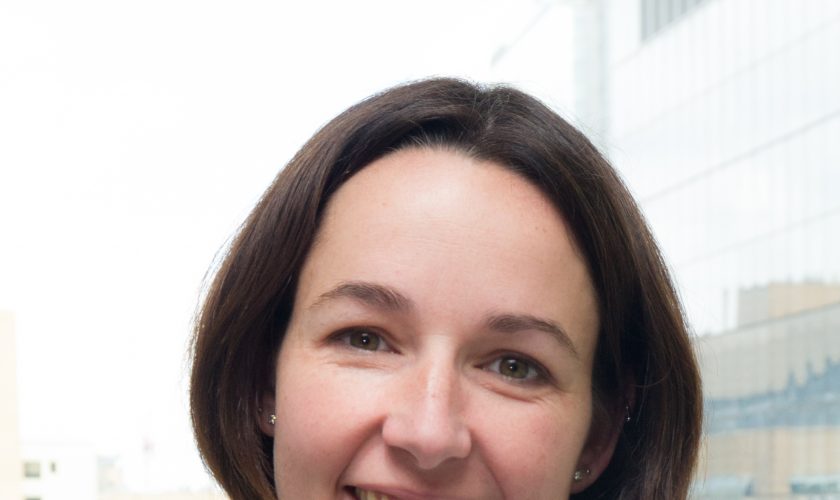
Howard Crawford, PhD

Howard C. Crawford, PhD

Scientific Director, Henry Ford Pancreatic Cancer Center | Chief Scientific Officer, Sky Foundation Scientific Advisory Committee

Overview

Dr. Howard Crawford is the Scientific Director of the Henry Ford Pancreatic Cancer Center in Detroit, Michigan, and serves as Chief Scientific Officer (CSO) of the Sky Foundation Scientific Advisory Committee (SAC). His research focuses on how tumor cells and immune cells communicate to drive pancreatic cancer progression and on developing early-detection biomarkers for at-risk patients.

Leadership & Roles

  • Scientific Director – Henry Ford Pancreatic Cancer Center (Henry Ford Health)
  • Professor – Molecular & Integrative Physiology and Internal Medicine, University of Michigan
  • Director – Pancreas Research Program, University of Michigan, Ann Arbor
  • Chief Scientific Officer – Sky Foundation Scientific Advisory Committee (SAC)

Role within Sky Foundation

As CSO of Sky Foundation’s Scientific Advisory Committee, Dr. Crawford works closely with Sky’s leadership, staff, and partners to shape research priorities that advance the Foundation’s mission in early detection, education, and advocacy. He oversees the scientific review process, ensuring fairness, rigor, and alignment with Sky’s goals. After grant submissions close, Dr. Crawford coordinates with external reviewers so that each proposal receives multiple independent evaluations, with no reviewer from an applicant’s own institution. He leads the SAC’s in-depth deliberations to narrow six leading proposals down to three finalists, which are then presented to Sky’s Governing Board for final approval.

Sky Foundation-Funded Research

Project Title: Immune Responses in Patients with Chronic Pancreatitis and Pancreatic Cancer
Principal Investigator: Howard Crawford, PhD
Institution: University of Michigan / Henry Ford Health System

Project Summary

Supported by Sky Foundation, Dr. Crawford’s lab investigates the immune responses in patients with chronic pancreatitis and pancreatic cancer to identify early detection biomarkers that can distinguish between these conditions using a simple blood test.

  • Focuses on how risk factors, such as chronic pancreatitis, promote tumor initiation and progression.
  • Utilizes two advanced technologies to map immune-tumor interactions:
    • Technique 1 – CyTOF: Measures up to 30 cell-surface markers simultaneously, creating a detailed immune-cell signature from circulating blood.
    • Technique 2 – Single-Cell Sequencing: Analyzes gene expression of individual immune and tumor cells to reveal cellular communication networks.

Key Findings

  • Unique Immune Signature: Pancreatic cancer patients display a distinct immune-cell profile compared to normal and chronic pancreatitis patients.
  • Early Detection Potential: Longitudinal blood-sample testing of at-risk patients aims to detect emerging immune signatures that signal tumor formation before symptoms occur.
  • Novel Crosstalk Pathways: Single-cell data reveal new immune-suppressive communication channels between tumor and immune cells—potential therapeutic targets for immune reactivation.

Scientific Contributions

  • Leader in pancreatic tumor biology and immune microenvironment research.
  • Published extensively on cell signaling, inflammation, and early tumor initiation mechanisms in PDAC.
  • Advocates for multidisciplinary, translational approaches linking basic research and clinical discovery.

Selected Publications

  • Inflammation and the origins of pancreatic cancerTrends in Cancer, 2022 (PubMed)
  • Immune cell crosstalk defines early pancreatic tumorigenesisGastroenterology, 2021 (PubMed)
  • Pancreatitis as a predisposing condition for pancreatic cancerAnnual Review of Pathology, 2020 (PubMed)

Recognition & Impact

  • Nationally recognized expert in pancreatic inflammation, immune-oncology, and tumor initiation.
  • Recipient of Sky Foundation Research Grant supporting discovery of early immune biomarkers.
  • Frequent keynote speaker and advisor for national pancreatic research initiatives.

Institutional Links


read more

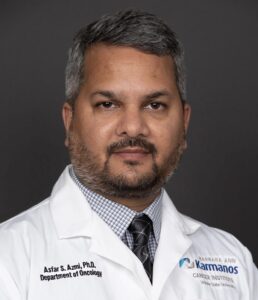
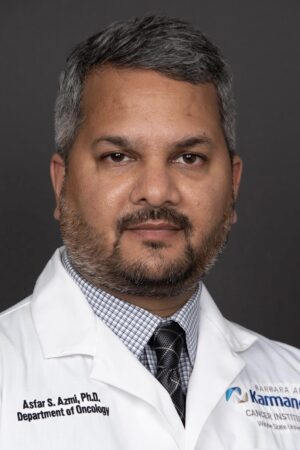
Asfar Azmi, PhD

Asfar S. Azmi, PhD

Professor of Oncology | Director of Pancreas Cancer Research, Karmanos Cancer Institute | Wayne State University School of Medicine

Overview

Dr. Asfar Azmi is a Professor of Oncology at the Wayne State University School of Medicine and serves as the Director of Pancreas Cancer Research at the Barbara Ann Karmanos Cancer Institute, an NCI-designated Comprehensive Cancer Center in Detroit, Michigan. His laboratory focuses on drug discovery and translational therapeutics for pancreatic ductal adenocarcinoma (PDAC) and pancreatic neuroendocrine tumors (PNETs).

Leadership & Roles

  • Director – Pancreas Cancer Research, Karmanos Cancer Institute
  • Professor of Oncology – Wayne State University School of Medicine
  • Program Leader – Molecular Therapeutics
  • Co-Leader – Tumor Biology and Microenvironment Research Program

Scientific Focus

Dr. Azmi’s research centers on understanding and targeting the molecular mechanisms that drive pancreatic cancer growth and therapeutic resistance. His lab investigates:

  • Aberrant nuclear protein transport and its role in pancreatic cancer progression and drug resistance
  • KRAS-driven oncogenic signaling and pathway vulnerabilities in pancreatic tumors
  • Nuclear export inhibition as a therapeutic approach using small-molecule inhibitors
  • Development of next-generation targeted drugs for PDAC and PNETs

Major Discoveries & Drug Development

  • Led pioneering work identifying nuclear export inhibition as a strategy to overcome chemoresistance in pancreatic cancer.
  • Contributed to the pre-clinical and early-phase clinical development of selinexor (KPT-330), a first-in-class selective inhibitor of nuclear export (SINE compound).
  • His team’s work directly contributed to the FDA approval of selinexor for multiple tumor indications.
  • Active in developing KRAS pathway-targeted therapies for pancreatic and other gastrointestinal cancers.

Selected Publications & Research Highlights

  • View all PMC studies & articles (PubMed)
  • Targeting nuclear export in pancreatic cancer: a therapeutic strategy to disrupt aberrant protein trafficking. Oncotarget, 2017 (PubMed)
  • Selinexor sensitizes pancreatic cancer cells to chemotherapy by blocking XPO1-mediated nuclear export. Cancer Research, 2019 (PubMed)
  • Disruption of nuclear export enhances efficacy of KRAS-targeted therapy in PDAC models. Clinical Cancer Research, 2022 (AACR Journal)

Recognition & Impact

  • Internationally recognized for work in molecular therapeutics and translational oncology.
  • Program Leader at NCI Designated Comprehensive Cancer Center
  • Invited speaker and panelist at multiple National and International Conferences.
  • Principal Investigator on federally funded grants supporting early-phase drug discovery programs.

Institutional Links

read more

Kirsten L. Bryant, PhD

Lindeberger Comprehensive Cancer Center
University of North Carolina at Chapel Hill

Kirsten L. Bryant, PhD

Assistant Professor, Department of Pharmacology | UNC Lineberger Comprehensive Cancer Center

Overview

Dr. Kirsten L. Bryant is a cancer biologist at the UNC Lineberger Comprehensive Cancer Center and the University of North Carolina at Chapel Hill. Her laboratory investigates how the KRAS oncogene drives metabolic reprogramming and autophagy to sustain pancreatic cancer growth. She completed her postdoctoral fellowship in Dr. Channing Der’s laboratory at UNC-Chapel Hill, where she defined key KRAS-regulated metabolic vulnerabilities in pancreatic ductal adenocarcinoma (PDAC).

Research Program & Focus

  • KRAS-Driven Metabolism: Studies the mechanisms by which oncogenic KRAS alters metabolic fluxes to fuel PDAC progression.
  • Autophagy Regulation: Explores how KRAS and downstream ERK/MAPK signaling modulate autophagy and how autophagy supports tumor survival (PubMed study).
  • Therapeutic Targeting: Tests combination strategies pairing ERK or MEK inhibitors with autophagy inhibition (HCQ and novel agents).

Clinical Translation & Trials

Findings from Dr. Bryant’s group helped launch first-in-human studies evaluating combined pathway and autophagy blockade:

  • Phase I Trial: MEK inhibitor binimetinib + HCQ (NCT04132505)
  • Phase II Trial: ERK inhibitor LY3214996 + HCQ (NCT04386057)
  • Ongoing efforts seek improved, selective autophagy inhibitors by validating a lipid-kinase target in the endocytic pathway and performing CRISPR/Cas9 loss-of-function screens to identify autophagy genes essential for PDAC cell survival.

Selected Publications

  • Combination of ERK and autophagy inhibition as a treatment approach for pancreatic cancer. Cell Reports 2019 — demonstrated ERK inhibition induces autophagy dependence in PDAC (PubMed).
  • Concurrent inhibition of IGF1R and ERK increases pancreatic cancer sensitivity to autophagy inhibitors. Cancer Research 2022 (AACR Journal link).

Awards & Recognition

  • Pew-Stewart Pathway to Leadership Award, Pancreatic Cancer Action Network / AACR (2015)
  • Developmental Research Award, Washington University Pancreatic SPORE (2019)
  • Innovation Award, UNC Lineberger (2020)
  • William Guy Forbeck Scholar Award (2020)
  • PanCAN Therapeutic Accelerator Collaborative Award (2022)
  • Stimulus Award, UNC Lineberger (2023)

Career Timeline

  • Postdoctoral Fellowship: Dr. Channing Der Lab, UNC Chapel Hill – KRAS signaling & autophagy
  • Independent Lab: Established metabolic and autophagy research program in PDAC
  • Preclinical Discovery: Identified ERK/MEK + autophagy inhibitor synergy
  • Clinical Translation: Co-led MEKi + HCQ and ERKi + HCQ clinical trials

Institutional Roles & Affiliations

  • Assistant Professor, Department of Pharmacology, University of North Carolina at Chapel Hill
  • Member, UNC Lineberger Comprehensive Cancer Center
  • Collaborator, Pancreatic Cancer Action Network & Therapeutic Accelerator Consortium

Sources & References

Read the December 2020 Research Update here. 


read more

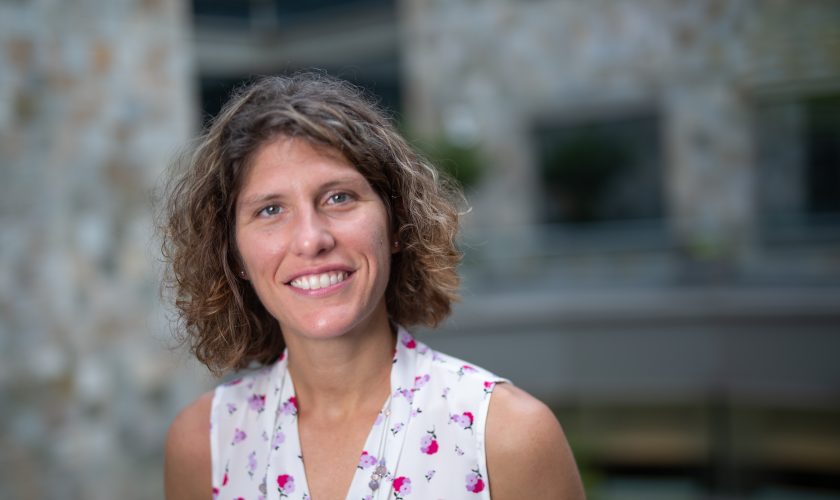
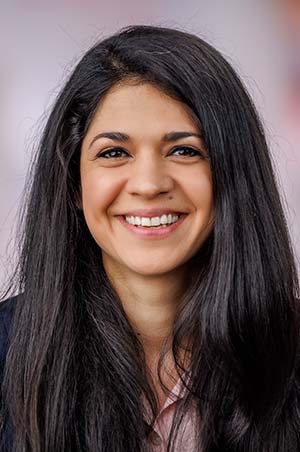
Eileen Carpenter, MD, PhD

Eileen S. Carpenter, MD, PhD

Assistant Professor, Gastroenterology & Hepatology — University of Michigan | Clinician-Scientist, Pancreatic Disease

Overview

Dr. Eileen S. Carpenter is a gastroenterologist and clinician-scientist whose clinical focus is on benign and malignant diseases of the pancreas. She holds a joint appointment with the University of Michigan and the VA Ann Arbor Healthcare System. (Michigan Medicine – Cancer Biology Profile)

Education & Training

  • Bachelor’s in Chemical Engineering — The Cooper Union
  • MD/PhD (Medical Scientist Training Program) — SUNY Stony Brook University
  • Internal Medicine Residency — University of Michigan (fast-track research pathway) (UM Faculty Profile)
  • Gastroenterology Fellowship — University of Michigan (fast-track research pathway) (UM Faculty Profile)

Appointments & Clinical Roles

Research Interests & Contributions

Dr. Carpenter’s lab develops pipelines using endoscopic fine needle biopsies (FNBs) of pancreatic tumors, applying cutting-edge techniques (single-cell RNA sequencing, mass cytometry, organoid culture) to study tumor heterogeneity, chemoresistance, and immunotherapy targets. (Michigan Medicine – Cancer Biology Profile)

  • Longitudinal matched biopsy studies (pre- and post-chemotherapy) to identify resistance mechanisms
  • Evaluating immune and stromal microenvironment changes over time
  • Seeking novel immunotherapeutic targets in chemotherapy-refractory pancreatic ductal adenocarcinoma

Selected Publications & Work

  • “Wilm’s Tumor 1-Expressing Stromal Cells Promote Pancreatic Cancer Progression” — Bischoff AC et al., Cancer Res, 2025 (Carpenter included among authors) (UM Faculty Profile – Publications)
  • “Primary and Metastatic Cellular Landscapes in Human Pancreatic Cancer” — Steele NG, Carpenter ES, et al., *iScience*, 2025 (UM Faculty Profile – Publications)
  • Other recent works on spatial omics, tumor heterogeneity, and biopsy-based molecular profiling in PDAC (UM Faculty Profile)

Personal & Community Engagement

Outside of her research and clinical duties, Dr. Carpenter is a mother of three and enjoys playing the piano and volunteering in her local church community. She also serves on the board of her local Little League. (biographical details provided internally)

Timeline & Milestones

  • Undergraduate: Cooper Union — Chemical Engineering
  • MD/PhD: SUNY Stony Brook (Medical Scientist Training Program)
  • Residency & Fellowship: University of Michigan (fast-track research pathway)
  • Faculty Appointment: University of Michigan & VA Ann Arbor (current)
  • Active contributor to pancreatic cancer research & clinical GI practice

Sources & Verifications

  • Michigan Medicine — Cancer Biology departmental bio & research interests (link)
  • University of Michigan Medical School Faculty Profile (link)
  • Michigan Medicine Health / Clinical Provider Profile (link)
  • Rogel Cancer Center “Meet the Team” for Pancreatic Cancer Clinic (link)
  • Healthgrades – clinical focus & affiliations (link)
read more

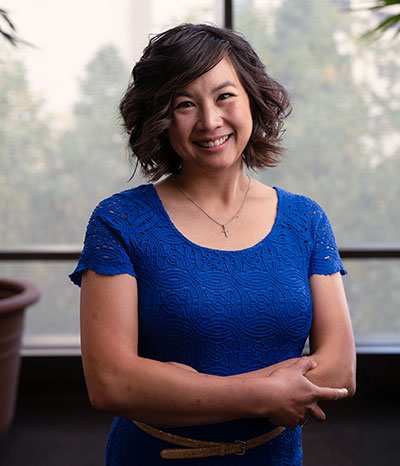
Stephanie Dougan, PhD

Stephanie K. Dougan, PhD

Associate Professor of Immunology, Harvard Medical School | Investigator, Cancer Immunology & Virology, Dana-Farber Cancer Institute

Overview

Dr. Stephanie Dougan is a cancer immunologist whose laboratory investigates why pancreatic cancer resists immunotherapy and how to overcome that barrier. She holds joint appointments at Harvard Medical School and Dana-Farber Cancer Institute (Dana-Farber profile; DF/HCC profile).

Education & Training

  • PhD, Immunology — Harvard University (lipid antigen presentation; CD1d/NKT biology) (Hale Center bio)
  • Postdoctoral Fellowship — Whitehead Institute with Hidde Ploegh; expertise in transnuclear/CRISPR-engineered mouse models (Hale Center bio)
  • Faculty — Joined Harvard Medical School & Dana-Farber in 2014 (Dana-Farber profile)

Current Roles

  • Associate Professor of Immunology — Harvard Medical School (DF/HCC profile)
  • Investigator, Cancer Immunology & Virology — Dana-Farber Cancer Institute (Dana-Farber profile)
  • Investigator, Hale Family Center for Pancreatic Cancer Research (Hale Center bio)
  • Principal Investigator, Dougan Lab — model-driven immunotherapy research (Dougan Lab home)

Research Focus

Why do most pancreatic tumors fail to recruit CD8+ T cells, rendering checkpoint blockade ineffective—and how can we prime and reprogram the tumor microenvironment to change that? The Dougan Lab uses engineered mouse models and translational approaches to answer this question (Lab research page).

  • Engineered models: Transnuclear and CRISPR mouse systems to dissect anti-tumor immunity (Hale Center bio)
  • Immunotherapy clinical trials in PDAC: The Dougan lab uses samples from clinical trials to understand how the immune system interacts with pancreatic cancer in humans (PMID: 38990554, PMID: 37733830)
  • T-cell augmentation: Interview overviews of approaches to prime/boost T-cell responses in PDAC (OncLive interview)

Selected Publications

  • PMID: 38975874 , PMID: 34011631

Awards & Honors

Timeline

  • Harvard University — PhD, Immunology (CD1d/NKT) (Hale Center bio)
  • Whitehead Institute — Postdoctoral fellowship (engineered mouse models) (Hale Center bio)
  • 2014–present — Faculty at HMS & DFCI; pancreatic cancer immunotherapy focus (Dana-Farber profile)

Further Reading & Media

read more

Sita Kugel, PhD Fred Hutch Cancer Center

Sita Kugel, PhD

Associate Professor
Human Biology Division, Fred Hutch

Sita Kugel, Ph.D., is an Associate Professor in the Human Biology Division and serves as the Director of Basic and Translational Research in GI Oncology and the Co-director of the Pancreatic Cancer program. The central theme of her research group is to study how the dysregulation of chromatin modifying enzymes contribute to hepatopancreatic biliary cancers and, further, whether these pathways present liabilities that can be exploited for cancer therapy. She is particularly interested in exploring the biology of different transcriptional and genetic subtypes of pancreatic cancer and cholangiocarcinoma. How the epigenome influences subtype determination and discovering unifying biological characteristics that define these subtypes, which with deeper understanding could improve patient therapy.

Education

PhD, Cancer Biology, Wayne State University School of Medicine, 2012

BSc, Kinesiology, Simon Fraser University, 2005

read more

David S. Kwon, MD

David S. Kwon, MD, FACS, FSSO

Board-Certified Surgeon | Fellowship-Trained Surgical Oncologist | Clinical Director, Henry Ford Pancreatic Cancer Center

Overview

Dr. David S. Kwon, MD, FACS, FSSO is a board-certified general surgeon and fellowship-trained surgical oncologist at Henry Ford Health. He serves as Physician in Charge of the Brigitte Harris Cancer Pavilion and Clinical Director of the Henry Ford Pancreatic Cancer Center, leading multidisciplinary teams focused on precision medicine and complex cancer care (Henry Ford Health).

Leadership & Roles

  • Physician in Charge – Brigitte Harris Cancer Pavilion, overseeing multidisciplinary oncology programs and precision-based patient care (CBS Detroit).
  • Clinical Director – Henry Ford Pancreatic Cancer Center, driving innovation in early detection and treatment (PR Newswire).
  • Former Medical Director – Center for Cancer Surgery, Henry Ford Health (Crain’s Detroit).
  • Faculty Member – Wayne State University School of Medicine.

Education & Training

  • B.S., Biological Sciences – Columbia University
  • M.D. – University of California, San Diego
  • Residency – General Surgery, Henry Ford Hospital (multiple research & clinical awards)
  • Fellowship – Surgical Oncology, The University of Texas M.D. Anderson Cancer Center

Clinical Expertise

  • Pancreatic, gastric, and rare cancers
  • Complex foregut and hepatopancreatobiliary surgery
  • HIPEC and cytoreductive surgery for peritoneal surface malignancies
  • Precision medicine and multidisciplinary cancer management

Research & Innovation

Dr. Kwon’s research focuses on pancreatic cancer detection, disparities, and advanced local therapies. His team contributes to pioneering work in molecular and spatial phenotyping, immune checkpoint targets such as TIGIT, and artificial intelligence for imaging-based cancer detection (PubMed).

  • Borderline/Locally Advanced Pancreatic Adenocarcinoma: Margin accentuation with intraoperative irreversible electroporation (Surgery, 2014).
  • Neoadjuvant vs. Adjuvant Therapy Studies: Comparative outcomes in resectable PDAC (Int J Radiat Oncol Biol Phys, 2018).
  • Single-Cell & Spatial Phenotyping: Racial disparity studies in PDAC (AACR Abstracts, 2024).
  • AI-Driven Cancer Detection: Co-author on deep learning for pancreatic tumor diagnosis (npj Digital Medicine, 2024).

Patient Education & Community Engagement

Dr. Kwon regularly contributes to Henry Ford Health’s educational resources and public outreach. He’s been featured in patient programs and community events like “Life After Whipple,” offering insight into surgical recovery and survivorship (Henry Ford Health Blog).

Honors, Memberships & Service

  • Fellow, American College of Surgeons (FACS)
  • Fellow, Society of Surgical Oncology (FSSO)
  • Active in national surgical oncology mentorship and leadership initiatives
  • Featured in Crain’s Detroit People on the Move for leadership in cancer surgery and multidisciplinary care

Career Timeline

  • Columbia University – B.S., Biological Sciences
  • UC San Diego – M.D.
  • Henry Ford Hospital – General Surgery Residency
  • MD Anderson Cancer Center – Surgical Oncology Fellowship
  • 2011: Returns to Henry Ford Health as Surgical Oncologist
  • 2015: Appointed Division Head, Surgical Oncology
  • 2016: Named Medical Director, Center for Cancer Surgery
  • 2020: Named Clinical Director, Henry Ford Pancreatic Cancer Center
  • 2021–Present: Physician in Charge, Brigitte Harris Cancer Pavilion

Conditions & Programs

  • Pancreatic and gastric cancers
  • Rare and peritoneal malignancies (including mesothelioma)
  • HIPEC and cytoreductive surgery
  • Precision-medicine and multidisciplinary clinic coordination

Sources

  • Henry Ford Health – Brigitte Harris Cancer Pavilion & HIPEC Program
  • CBS Detroit – Pavilion Grand Opening
  • PR Newswire – HFPCC Philanthropy Announcements
  • Crain’s Detroit – Leadership Recognition
  • PubMed, AACR, npj Digital Medicine – Research Publications
read more

Taylor Westrick, Grants Coordinator

SAC Grants Coordinator | Sky Foundation Scientific Advisory Committee

Overview

As the Grants Coordinator for Sky Foundation’s Scientific Advisory Committee (SAC), Taylor Westrick plays a vital role in managing the end-to-end grant process that supports groundbreaking pancreatic cancer research. She ensures accuracy, transparency, and smooth communication throughout the annual application and review cycle.

Key Responsibilities

  • Grant Platform Management: Oversees Sky Foundation’s grant application system (currently Submit.com), ensuring timely updates, accurate information, and smooth functionality for applicants and reviewers.
  • Reviewer Coordination: Sets up external reviewers and assigns each proposal to approximately two reviewers, applying conflict-of-interest safeguards to prevent reviews from the same institution as the applicant.
  • Scheduling: Organizes SAC and reviewer meetings based on timelines provided by the Chief Scientific Officer, Dr. Howard Crawford.
  • Application Updates: Revises and updates the annual grant application to reflect feedback from both the SAC and Sky Foundation leadership.
  • Outreach & Communication: Supports communication efforts by sharing the application across research and professional networks, including Twitter (X) and other academic platforms.
  • Researcher Support: Coordinates consistent communication with applicants before and after submission, ensuring clarity throughout the process.
  • Confidential Review: Manages reviewer access to applications, ensuring institutional details remain hidden to maintain anonymity and impartiality.
  • Final Review Coordination: Shares the SAC’s selected research project recommendations with the Liaison to the Board, who presents them to Sky Foundation’s Board of Directors for final approval.

Collaborative Role

Taylor works closely with Dr. Howard Crawford, SAC Chair, and Samantha (Sammy) Kasselman, Liaison to the Board, to ensure each phase of the grant review process—from application to board approval—reflects Sky Foundation’s commitment to fairness, integrity, and impact in pancreatic cancer research.

read more

Samantha Kasselman, Liaison to the Board

Liaison to the Board | Sky Foundation Scientific Advisory Committee

Overview

Samantha (Sammy) Kasselman earned her Bachelor of Science in Public Health and Applied Statistics from the University of Michigan, where she contributed to research on potential treatment pathways for pancreatic cancer. She is currently pursuing a Master of Science in Genetic Counseling at the University of Pennsylvania, leading research on pancreatic imaging findings in individuals with pathogenic variants who are at high risk for developing pancreatic cancer.

Sky Foundation Role

As the Liaison to the Board for Sky Foundation’s Scientific Advisory Committee (SAC), Sammy plays a key role in connecting scientific review with organizational strategy. She attends all quarterly SAC meetings and final reviewer discussions, helping ensure transparent communication between the SAC and the Board of Directors. Sammy translates complex scientific recommendations into accessible updates and ensures SAC goals align with Sky Foundation’s long-term strategic direction.

Leadership & Advocacy

Sammy’s advocacy for the pancreatic cancer community continues to grow both personally and professionally. Her commitment is deeply personal—her grandmother, Sheila Sky Kasselman, Sky Foundation’s founder, was diagnosed with the disease when Sammy was a child. Inspired by her grandmother’s courage and vision, Sammy continues her legacy of advancing awareness, research, and early detection efforts.

Education & Research

  • B.S., Public Health and Applied Statistics – University of Michigan
  • M.S. Candidate, Genetic Counseling – University of Pennsylvania
  • Research Focus: Pancreatic imaging and genetic risk in individuals with pathogenic variants

Board Involvement

  • Joined Sky Foundation’s Board of Directors in 2022
  • Serves as Board Liaison to the Scientific Advisory Committee
  • Facilitates collaboration between Sky’s research, advocacy, and leadership teams

Institutional & Research Links

read more
Donate Now