close

Annie Dalton

2024 Sky Grant Application

Sky Foundation Seed Grant Application 2024

We award seed-money grants – with initial grants starting at $50,000 – to provide the essential funds needed by researchers to develop their projects to the point where they can compete and secure major funding from the National Institutes of Health and other national funding sources.

CALL FOR PROPOSALS – SEED GRANTS
DUE AUGUST 1, 2024

Sky Foundation announces its 2024 seed grant call for proposals. At least three $50,000 awards will be granted, judged to be the best application from each of three categories of applicants: 1) a postdoctoral fellow or non-tenure track faculty member; 2) a pre-tenured tenured track faculty member and 3) a tenured faculty member. The research must be in the field of pancreatic cancer. Studies intended to advance knowledge in the areas of pancreatic carcinoma, especially early detection and novel therapies, would be closest to the areas of interest for Sky Foundation. The funding must be for a project where the results lead to valuable preliminary data that could lead to a larger grant that would potentially be transformative.

Click here to review the full description of our call for proposals.

To begin the submission, please click here. You can also scan the following QR code:

For additional questions, please contact us at: Ekasselman@skyfoundationinc.org.

This form is currently closed for submissions.

read more

Rep. Sheila Jackson Lee passed away from pancreatic cancer

Rep. Sheila Jackson Lee, D-Texas, had announced a short time ago that she has been diagnosed with pancreatic cancer. She died on Friday, July 19th amid her battle with pancreatic cancer. She was 74.

The incidence of pancreatic cancer is higher in African Americans than in any other racial group in the United States. The age-adjusted incidence rate for Blacks is 15.9 per 100,000 people, while for Whites it is 13.4 per 100,000 people.

For more information, click here.


read more

2024 Sky Events

More than 66,000 Americans will be diagnosed with pancreatic cancer this year. With a survival rate of just 13%, finding a cure is critical.

At Sky Foundation, we are committed to taking on this challenge. Our mission is to raise awareness and fund innovative research for the early detection and treatment of pancreatic cancer. We help life-saving research get off the ground, knowing that any one of the research projects we support could be the one that leads to the breakthrough that ends pancreatic cancer for good.

Through fundraising events, social media and unique public awareness opportunities we seek to educate and raise funding for pancreatic cancer research. We also stress the importance of genetic counseling, when to seek medical attention and potential risk factors and symptoms related to this disease.

We have an ever-growing community with patients, survivors, family members, and loved ones that come together to support one another and our cause.

The researchers are the backbone of helping us find a cure to pancreatic cancer.

Sky awards seed grants for pancreatic cancer medical research, which provide initial funding to researchers for exploratory studies. these grants support innovative ideas, gather preliminary data, and encourage scientists to pursue their research further. such funding plays a crucial role in kickstarting early-stage investigations and supports new approaches that will potentially lead to more significant research opportunities that may one day be the breakthrough to cure pancreatic cancer.

Join us in making a difference and showcasing your dedication to supporting Sky Foundation in this vital cause. Whether you’re a supporter, participant, or sponsor, your involvement speaks volumes to your clients, customers, and constituents. Sky Foundation provides numerous avenues for you to connect with our mission and display solidarity with the pancreatic cancer community. We invite you to explore the diverse opportunities available and consider partnering with us for any or all of our upcoming events. Together, we can make a meaningful impact and bring hope to those affected by pancreatic cancer.

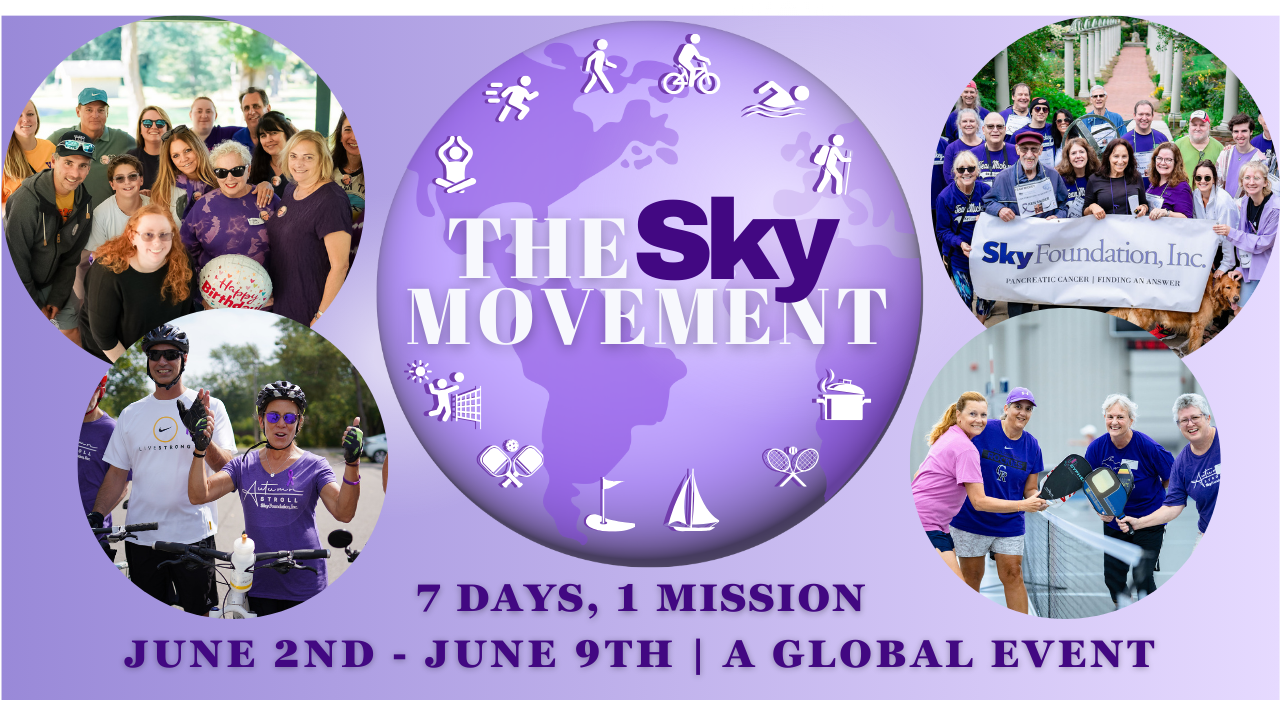
THE SKY MOVEMENT

JUNE 2ND – 9TH | A GLOBAL EVENT 

Sky Movement unites supporters across the world through a week of activities. Participants can join or host a team, creating meaningful and fun events in their own community. From walking or biking events to corn hole tournaments and potlucks – the sky is the limit on how teams bring family, friends, and neighbors of all ages together to raise awareness and funds for Sky’s mission. Individuals may participate on their own as well, harnessing the power of social media to spread the word and raise pledges to fund research. We anticipate 500+ participants.

THE SKY MOVEMENT: PICKLEBALL EDITION

JUNE 2ND & JUNE 23RD | ANN ARBOR, PONTIAC & WEST BLOOMFIELD

Michigan pickleballers come in dinking and smashing to support pancreatic cancer research! With several pop-up locations, the pickleball events expand the Sky community to all who like to have fun and stay active while supporting a great cause. Everyone is welcome, from kids to seniors, experts to those who have never picked up a paddle. The inaugural event in 2023 saw a sold out crowd of 70 people. Having two locations will allow us to more than double the capacity in 2024.

SKY’S DOC-TAIL MIXER

JULY 24TH | PINE LAKE COUNTRY CLUB

At Sky’s Doc-tail party, a variety of doctors will trade their white coats for bar aprons as they present their favorite cocktails and mocktails, serving as our volunteer “mixologists” for the evening. Attendees will critique samples and vote for their favorite cocktail or mocktail while enjoying appetizers and atmosphere. This 21 + event brings in age ranges of 25 and up, with around 100 attendees.

Website coming soon!

NIGHT SKY GALA

NOVEMBER 7TH | THE HENRY FORD 

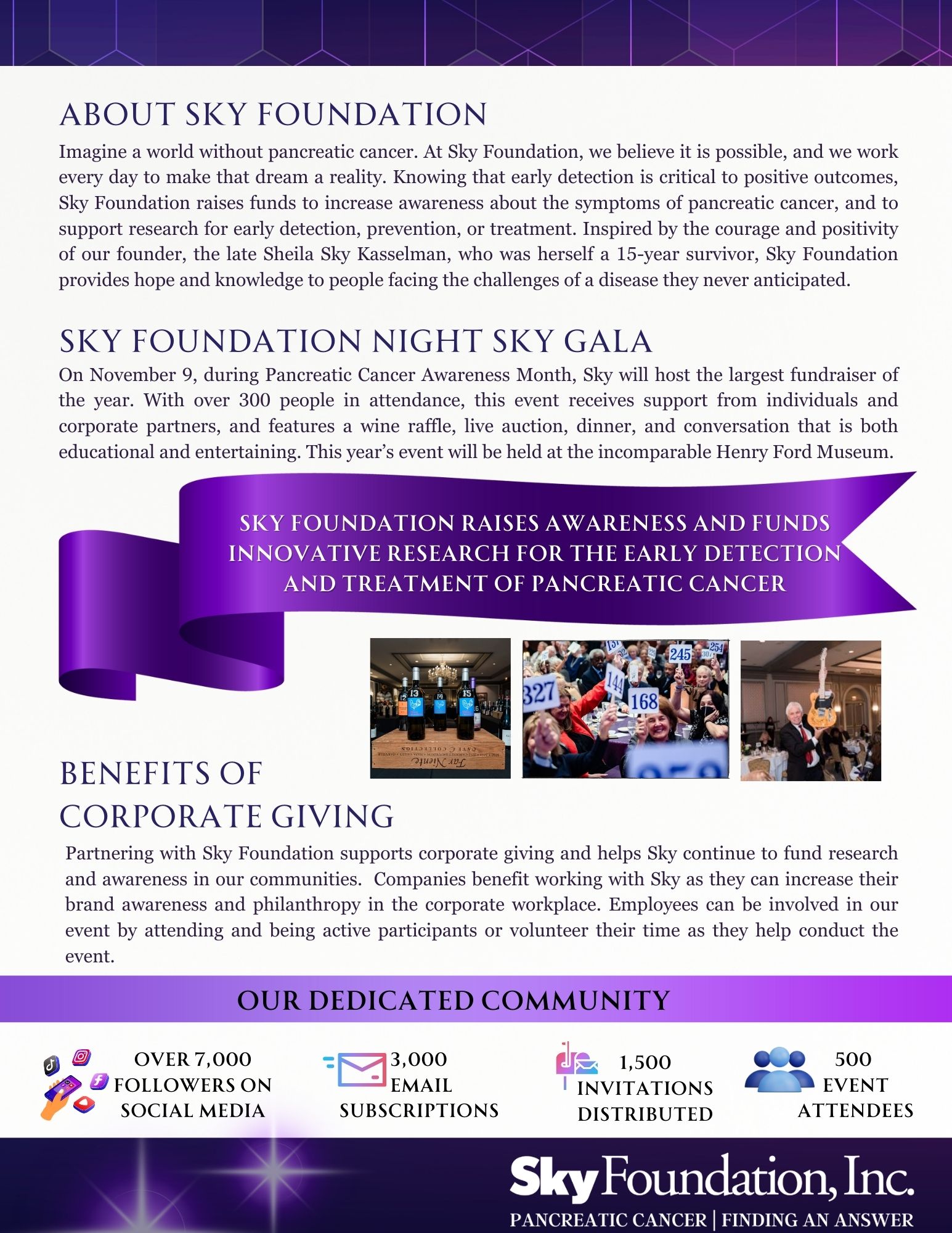
The Night Sky Gala is the Sky Foundation’s largest and most prestigious event, drawing an audience of nearly 300 supporters including individuals, healthcare professionals and corporate partners. Hosted at the Henry Ford Museum, the event features raffles, auctions, cocktail hour, dinner, and conversation that is educational and entertaining.
Website coming soon!

read more

Blood Test Spots Early Pancreatic Cancers With 97% Accuracy

MONDAY, April 8, 2024 (HealthDay News) — A blood test appears capable of detecting early-stage pancreatic cancers with up to 97% accuracy, a new study reports.

The test looks for eight small RNA particles and eight larger DNA markers shed by pancreatic cancers, which together create a genetic “signature” for the disease, researchers said.

Currently, it’s tough to catch pancreatic cancer before it has reached an advanced stage. The organ is located deep in the abdomen, and the cancer has symptoms that can be mistakenly attributed to other diseases.

“Pancreatic cancer is one of the most fatal malignancies, in large part because the majority of patients are diagnosed only after the cancer has already metastasized,” senior researcher Ajay Goel, chair of molecular diagnostics and experimental therapeutics at City of Hope Cancer Center said in a news release.

The five-year survival rate for patients diagnosed with early-stage pancreatic cancer is 44%, but that drops to 3% if the cancer is caught after it has spread elsewhere in the body, researchers noted.

An earlier trial of this blood test in 95 patients from the U.S. and Japan found a detection rate of 98%.

This latest trial involved 523 people with pancreatic cancer and 461 healthy people from Japan, the U.S., South Korea and China.

The blood test detected:

  • 93% of pancreatic cancers among the U.S. participants.
  • 91% of pancreatic cancers among the South Koreans.
  • 88% of pancreatic cancers in the Chinese group.

When researchers combined the blood test with a test for an already-established pancreatic cancer marker called CA 19-9, the accuracy increased to 97% of stage 1 and 2 cancers among the U.S. participants.

Stage 1 pancreatic cancers are confined to the organ, while stage 2 have spread to nearby lymph nodes but not elsewhere.

“Our approach offers a liquid biopsy test superior to CA19-9 measurement alone for early-stage disease,” Goel said.

However, researchers said more research is needed to validate the test before it can be deployed to the general population.

Click here to read the full article on HealthDay

read more

Per Oncologist: Kate’s diagnosis is part of a troubling trend

Kate’s, the Princess of Wales, diagnosis of cancer at the young age of 42 years has caught many by surprise, but it is part of a startling growing trend. A medical oncologist weighs in on the recent trend of more cancer being diagnosed in younger demographics.  It is part of a frightening trend of an uptick of cancer diagnoses for 50 year olds and under population that everyone needs to be aware of as they manage their own health. Please read the article below written by a medical oncologist for a more in depth look at the studies being done to determine why we are seeing this trend.

Early-onset cancer, which is defined as happening in adults under 50 years of age, is no anomaly. In fact, it is part of a rising global trend in which newly diagnosed cancer patients are getting younger. Further, it deflates the myth that cancer is the preserve of older people.

During the past week alone, I saw a 37-year-old with breast cancer that had already metastasized to her lymph nodes, bones, lung and liver. In the room next door was a 45-year-old with colon cancer that had spread so diffusely throughout the liver that it had become packed and enlarged with the tumors. Both patients had stage IV cancers that can potentially be controlled for a finite time but are no longer curable. Click here to read more.

read more

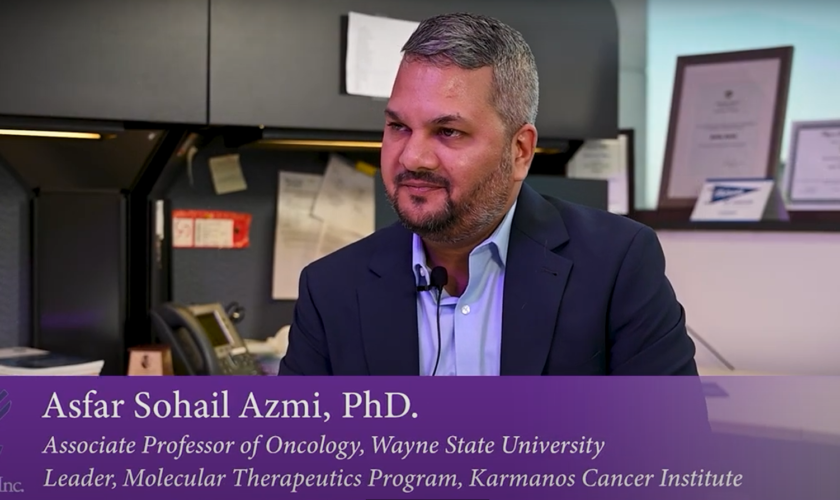
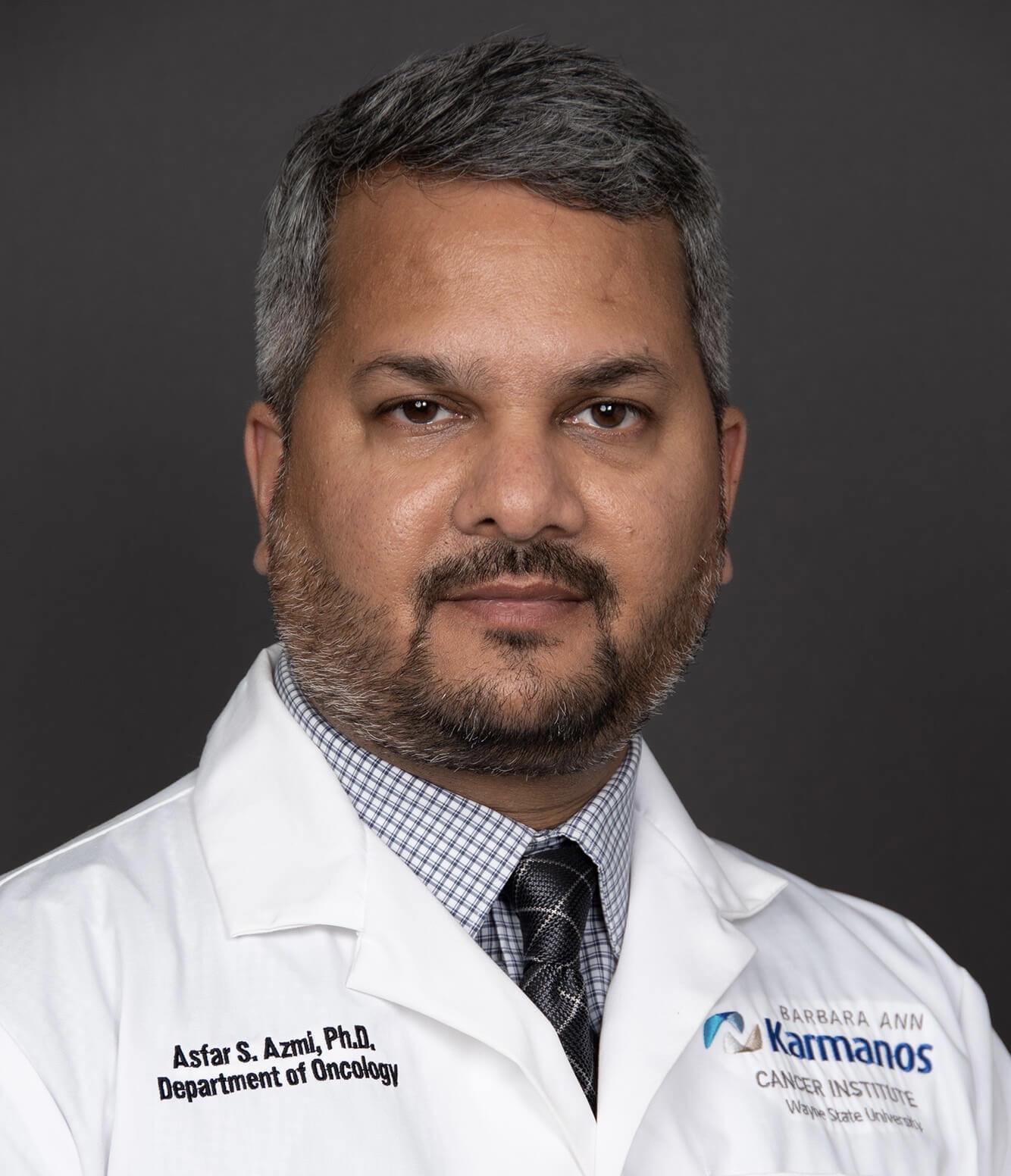
Asfar Azmi, PhD

Associate Professor, Department of Oncology & Leader, Molecular Therapeutics Research Program at Wayne State University. Director, Pancreas Cancer Research at Barbara Ann Karmanos Cancer Institute.

read more

Wayne State researchers will look at genetic cancer risk for African Americans

Wayne State University and Barbara Ann Karmanos Cancer Institute researchers say a new federal grant will help them investigate genetic cancer risks in African Americans, and develop better screening and potential treatments for cancer in that population.

The five-year, $9.6 million grant from the National Cancer Institute at the National Institutes of Health will fund study, called “Genetic Variation in Cancer Risk and Outcomes in African Americans.” It’s composed of three connected studies that will look at identifying cancer-linked genes, studying genetic risk factors for multiple cancers, and reducing barriers and improving access to genetic testing among African Americans.

Genetic profiles have proved increasingly vital for both cancer screening and targeted treatments. But African Americans have missed out on many of the benefits of genetic cancer research because they’re underrepresented in large genetic studies, according to Jennifer Beebe-Dimmer, a professor of oncology at Wayne State Medical School and a co-lead investigator of the study. “So we know far less about genes which predispose African Americans to being diagnosed with cancer, or for poorer survival after they’re diagnosed,” she said.

One of the three studies covered by the grant aims “to better understand contributions from variants of uncertain clinical significance that occur in the high-risk African American population.” That means they’re looking for a “gene variant that may be pathogenic (cancer-causing),” but they “just don’t have enough information to determine that,” Beebe-Dimmer said. “And that, again, is sort of a byproduct of having far less representation of African Americans in genetic studies.”

A second study will look at patients with multiple types of cancer. By focusing on that high-risk population, “we are more likely to discover new cancer susceptibility genes,” Beebe-Dimmer said. The third study will examine ways to facilitate more African Americans getting genetic testing.

“We hope to be able to identify variants that can be used in clinical practice, so that you can identify people at high risk for either developing a second primary cancer, or having some variant that we can target for treatment,” said Dr. Ann Schwartz, Wayne State professor of oncology and the lead investigator for the study. “And that’s the goal here, is to really identify these high-risk populations so that clinically, we can move them through the system for prevention, screening, [and] targeted treatment.”

The study will leverage the Detroit Research on Cancer Survivors (ROCS), a large database of African Americans with various types of cancers. The researchers say they’ll use genetic profiles from that ongoing research to inform this study, as well as additional data.

Article written by Sarah Cweik on Michigan Public NPR website, found here

read more

Latest Cutting-edge Technology & Digital Spatial Profiling at Karmanos Cancer Institute

Selinexor Provides Hope

Barbara Ann Karmanos Cancer Institute recently published a study investigating the molecular mechanism of action of Selinexor in pancreatic ductal adenocarcinoma and the tumor’s surrounding microenvironment. Sky’s funded researcher, Asfar Azmi, Ph.D., Molecular Therapeutics (MT) Research Program Leader and Pancreas Cancer Research Director at Karmanos, guided this study. It is titled “Molecular analysis of XPO1 inhibitor and gemcitabine-nab-paclitaxel combination in KPC pancreatic cancer mouse model,” published in Clinical and Translational Medicine in December 2023. Md. Hafiz Uddin, Ph.D., MT Research Program, was the first author.

Pancreatic cancer can be deadly because the tumor and the microenvironment work collectively to maintain growth and promote drug resistance, meaning most patients experience disease progression. Researchers at Karmanos have been studying the drug Selinexor for quite some time. Earlier studies from Dr. Azmi’s group showed that pancreatic cancer cells have excessive protein export signaling, causing the tumor suppressor proteins to mislocate leading to uncontrolled cell growth. Selinexor blocks nuclear protein transport to retain good proteins in the correct compartment of cancer cells, thus killing tumor cells.

We anticipate that these findings will help the enhanced use of Selinexor in tumors beyond pancreatic cancer, especially in cancers with dense stroma,” concluded Dr. Azmi.

Please click here to read more.

read more

Discover the Stars in our Sky

Our new series highlights our funded researchers dedicated to finding unique pathways to prevent, identify and cure pancreatic cancer one day. Each of these researchers has a story unique unto themselves. We will introduce you to their story, their research, their goals, and their hope for the future.

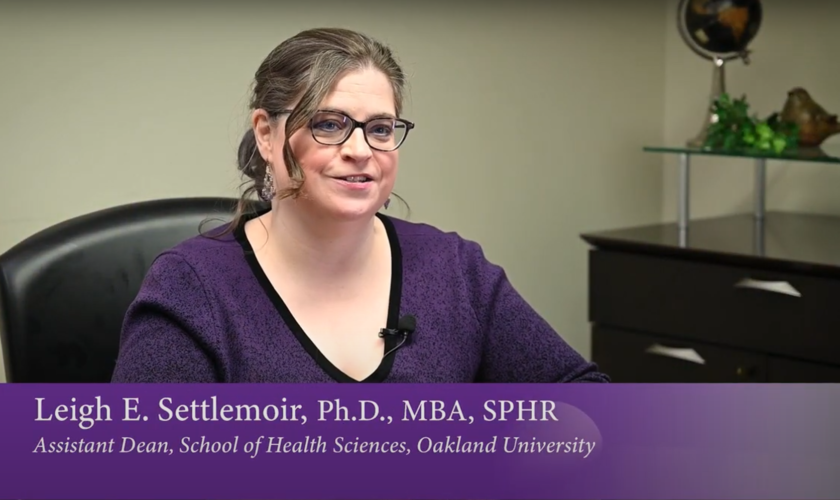
Listen below to our own Leigh Settlemoir PhD, SPHR who is on Sky’s Governing Board and serves as the liaison to our Scientific Advisory Committee, which determines the grant awardees.

read more

Miss America 2024 Advocates for Pancreatic Cancer Research After Losing Her Mother at Age 41

An officer in the U.S. Air Force was crowned Miss America on Sunday night. Second Lt. Madison Marsh is the first active-duty service member to win the annual competition, according to the Air Force. She has achieved incredible milestones at a young age and honored her mother along the way. Her mother lost her battle with pancreatic cancer in 2018. Madison has channeled her grief in a positive way by advocating for pancreatic cancer research and early detection.

And she’s not just talking the talk. According to Marsh’s Miss Colorado website, while a graduate intern at Harvard, Marsh is studying artificial intelligence and its role in detecting pancreatic cancer.

She is committed to making a difference like Sky and others to fight this disease. To read more, click here.

read more

2024 Cancer Statistics: Pancreatic Cancer Survival Rate Increases to 13%

Pancreatic Cancer 5 year survival rate increases to 13% which means more hope. In terms of lives extended, this one percentage point increase is significant. It means 664 more loved ones will enjoy life’s moments five years after their pancreatic cancer diagnosis. The research in early detection is translating to improved survival rates.

American Cancer Society releases 2024 statistics. There is some good news, but some alarming statistics. The good news is research is helping prevent and diagnosis cancer. 4.1 millions fewer people will pass away from cancer in 2024. However, the cases will climb to startling levels. External factors such as lifestyle and social disparities are contributing factors.

Although U.S. cancer cases will eclipse 2 million for the first time this year, there is good news. Lower smoking rates, earlier detection and improved treatments have lowered death rates over the past three decades, a new report said.

The American Cancer Society’s annual cancer statistics report projects 611,720 cancer deaths this year, a slight increase from a year ago. The cancer death rate dropped 33% from 1991 through 2021, according to the most recent statistics available, the group said, due to cutting edge research and vaccination treatments.

But researchers are concerned about increasing rates of cancer in younger populations and the types of of cancer, including the pancreas. Click here to read more.

read more

Life After Whipple Series

The goal of the Life After Whipple Project is to begin to research, collect and disseminate information that may be helpful for pancreatic cancer survivors. This project is for patients who have had, or will have, the Whipple Procedure and are interested in learning how this surgery will affect their lives afterward. Our goal is to help patients learn how to live a successful life, after Whipple.


Greg Adams, a pancreatic cancer survivor and team leader of the “Life After Whipple” project, introduces the project providing helpful information for those undergoing or considering the Whipple procedure for pancreatic cancer. Dr. Kwon discusses the anatomy of the pancreas and types of pancreatic operations, focusing on the Whipple procedure and its implications, such as encasement around blood vessels leading to unresectable tumors. The Whipple procedure is a complex six-step operation that involves removing and reconnecting the bile duct, stomach, and pancreas head. Although there are controversies surrounding pylorus preservation, both techniques have comparable long-term effects.

The discussion also highlights complications like Type 3 diabetes, exocrine pancreas insufficiency, delayed gastric emptying, and leakages from pancreatic connections. Medical treatments for weakly squeezing stomachs involve Reglan or Redline. Following the procedure, patients require lifelong acid reduction medication and may face complications like bile reflux and potential hiatal hernias. Foreign patients considering treatment are advised to research and contact international patient services offered by specialized medical centers for the best possible outcome.

HIGHLIGHTS

00:00:00      Introduction of the “Life After Whipple” project and the purpose of this series aiming to disseminate helpful information for pancreatic cancer survivors.

00:05:00      Dr. Kwon explains the anatomy of the pancreas and the types of pancreas operations one may undergo for cancer, focusing on the Whipple procedure and its consequences.

00:10:00      Various stages of pancreatic cancer and whether they are respectable via surgery or not.

00:15:00      The concept of “encasement” in pancreatic cancer, using a CT scan image as an example.

00:20:00     The complex nature of the Whipple procedure, a six-step operation used to remove tumors in the pancreas.

00:25:00     The importance of early detection and symptoms of pancreas cancer and the development in early detection tests on the horizon.

00:30:00     Three components of pancreas reconstruction after the Whipple procedure, focusing on the technical challenges of connecting the pancreas, bile duct, and stomach.

00:35:00    The challenges and techniques used during surgery to secure the pancreatic in place.

00:40:00    Health complications that can arise after undergoing pancreas surgery, specifically Type 3 diabetes and exocrine pancreas insufficiency.

00:45:00    The debate surrounding pylorus preservation during the procedure.

00:50:00    The complications of delayed gastric emptying after the procedure.

00:55:00    Questions answered in regard to surgery in foreign countries.


Dr. Kathleen Estrada discusses the functions of the pancreas, focusing on its endocrine role in glucose regulation. The pancreas contains islets of Langerhans, which secrete insulin, glucagon, and somatostatin. Insulin lowers blood sugar levels, while glucagon raises it. Type 3C diabetes, a subtype of diabetes, results from damages to the pancreas and affects exocrine function, leading to insulin and glucagon deficiency, causing blood sugar fluctuations. She also talks about the relationship between insulin production and pancreatectomy locations, with distal pancreatectomy having a higher risk of Type 3C diabetes. The video covers various insulin types and management, the importance of good blood sugar control, the effects of low blood sugar, and recent advancements in technology, such as Continuous Glucose Monitors and insulin pumps. Lastly, Kathleen touches on the experiences and insights of a Whipple procedure survivor regarding blood sugar regulation post-surgery.

 

HIGHLIGHTS

00:00:00     Discussion on the endocrine functions of the pancreas, specifically focusing on glucose regulation.

00:05:00     Type 3C diabetes, a subtype of diabetes that belongs to Type 3 and beyond, which includes conditions affecting the exocrine pancreas.

00:10:00     The relationship between the location of pancreatic resection and the development of Type 3C diabetes.

00:15:00     Different types of insulin used by people with diabetes.

00:20:00    The importance of good blood sugar control for individuals with diabetes.

00:25:00     The insulin pen, a device used for insulin injection, and its side effects & primary functions, specifically low blood sugar.

00:30:00     Recent advancements in diabetes technology, specifically Continuous Glucose Monitors (CGMs).

00:35:00     Advancements in insulin pumps and continuous glucose monitoring systems (CGMs) for managing diabetes.

00:40:00     The Bionic Pancreas, a new device designed to help manage blood sugar levels for people with diabetes.

00:45:00     A survivor discusses the cyclical nature of their blood sugar levels, which alternate between insulin resistance and carbohydrate resistance.

00:50:00     A survivor of pancreatic cancer shares her experiences and offers insights on Type 3C diabetes, which she does not have type 1 or type 2.


Dr. Cyrus Piraka, Gastroenterologist, discusses the impact of the Whipple procedure on the gastric system. He highlights that the surgery involves a complete tear-out of the affected organs, including the stomach, duodenum, pancreas, and bile duct, leaving survivors with only essential functions. Dr. Piraka emphasizes the importance of understanding the unique challenges faced by individuals after having a Whipple procedure, as it not only affects cancer patients but also those with benign conditions. The discussion covers the anatomy and physiology of the gastric system, including the stomach, duodenum, pancreas, and bile duct.

Cyrus goes on to discuss the complications associated with the surgery, such as GI tract symptoms, gastroparesis, and digestive enzyme deficiencies. He also touches on the importance of multidisciplinary care and the role of dietitians in managing nutritional complications. He expresses concerns about the insufficient care given to patients after undergoing a Whipple procedure and encourages further research and evidence-based care.
This episode explores the potential connection between pancreatitis and pancreatic cancer, emphasizing the importance of regular evaluation for early detection. While chronic pancreatitis is linked to an increased risk of pancreatic cancer, Dr. Piraka acknowledges the need for further research. He also shares insights on avoiding alcohol consumption after a Whipple procedure, as some doctors advise against it due to its potential impact on the liver and GI system. 

HIGHLIGHTS

00:00:00     The impact of the Whipple procedure on the gastric system

00:05:00     Overview of the digestive process with a focus on the upper GI tract, particularly the stomach and duodenum.

00:10:00     The stomach’s operations & functions and its relation to a tumor environment.

00:15:00     Digestive functions of the stomach, bowel, and how they operate in relation to digestion.

00:20:00    The roles of the pancreas and bile duct in the upper gastrointestinal (GI) tract.

00:25:00     The discussion revolves around the complexities of the digestive system and how it adapts to disease processes.

00:30:00    Long-term complications of the Whipple procedure, which affected nearly half of the patients in a study with a follow-up of at least four years.

00:35:00Challenges in treating gastroparesis, a condition in which the stomach’s nervous system function is disrupted, often after surgery or a cancer diagnosis.

00:40:00    Dietary management and pancreatic insufficiency, common issues post Whipple Procedure.

00:45:00    Two common issues that can arise after bowel surgery, specifically a Whipple procedure.

00:50:00    The importance of dietitians in managing nutritional complications after a Whipple procedure, specifically in regards to gastroparesis and pancreatic insufficiency.

00:55:00    The insufficient care given to patients after undergoing a Whipple procedure, which is used to treat pancreatic cancer.


OVERVIEW

Dr. Howard Crawford and Dr. Nina Steele from Henry Ford’s Pancreatic Cancer Center discuss the complexities of the digestive system, focusing on the role of organs like the stomach, salivary glands, and pancreas. They emphasize the importance of understanding the overall system and its functions, both before and after procedures like the Whipple surgery, when addressing digestive issues. Discussion includes the roles of various organs, such as the salivary glands, which produce digestive enzymes, and the stomach, which secretes hormones for nutrient absorption and regulates the digestive process through peristalsis.
The scientists also touch on the intricacies of the nervous system’s role in digestion and how it interacts with different organs. Additionally, they explore the potential for cellular plasticity in the digestive system as a response to the loss of certain functions and Stanford University’s ongoing research in this area. Overall, the conversation revolves around the complexities of the digestive system, the influences of age and surgery on its functions, and the importance of continued research in this field. Ongoing clinical trials focus on preventing pancreatic cancer recurrence are discussed. Trials led by the Mayo Clinic involve patient biopsies and surgeries with tumor sequencing for preventive measures. The success of these immune therapies relies on the elimination of residual disease post-surgery. 

HIGHLIGHTS

00:00:00    Dr. Crawford and Dr. Steele discuss the normal functioning of the digestive system and the potential effects of pancreatic cancer and its treatment on nutrition.

00:05:00    The importance of salivary glands and stomach in the digestive process.

00:10:00Relation between the roles of the stomach in digestion and nutrition.

00:15:00    The complex role of the nervous system, specifically the enteric nervous system, in digestion.

00:20:00    Functions of different regions of the stomach in aiding digestion.

00:25:00    Potential for cellular plasticity in the digestive system, specifically in the case of a total pancreatectomy or after a Whipple procedure.

00:30:00    Roles of various organs in the digestive system, including the pancreas – which is described as having both endocrine and exocrine functions.

00:35:00    The role of the pancreas in regulating glucose levels through the production of insulin and glucagon.

00:40:00    Consequences of losing parts of the digestive tract during surgeries like the Whipple and pancreatectomy.

00:45:00    Personal experiences with digestion and nutrition are shared, specifically regarding the absorption of certain vitamins and fats.

00:50:00    Absorption of nutrients and the role of the microbiome in various parts of the digestive system.

00:55:00    How chemotherapy can affect the endothelial cells in veins and arteries, potentially altering their functionality.

01:00:00    Ongoing clinical trials aimed at preventing pancreatic cancer recurrence.


Clinical Health Psychologist Dr. Kelly Martens discusses the impact of fear and anxiety on individuals diagnosed with pancreatic cancer and their coping strategies. Subjects cover fear of recurrence and disease progression, emotional responses, and experiences sharing. Dr. Martin highlights that fear is a normal response, and a study showed surgery patients had lower fear scores initially. However, long-term fear return is prevalent, and coping mechanisms like cognitive behavioral therapy, mindfulness practices, and medication are suggested to manage stressors and distorted thoughts. The video also explores the importance of acceptance, focusing on controllable stressors, and seeking different types of support for emotional, informational, tangible, and social needs. Dr. Martens emphasize the significance of self-advocacy and maintaining a survivorship care plan.
Kelly discusses the experience of living with fear and anxiety, particularly in relation to a serious illness like pancreatic cancer. They advocate for seeking trustworthy health information and prioritizing mental health, encouraging viewers to seek professional help if necessary. Dr. Martens emphasizes the potential benefits of reevaluating priorities and discovering what’s truly important in the face of challenging experiences. Survivors share personal story of surviving pancreatic cancer and the importance of self-value and reprioritization during their journey. Dr. Martens advises viewers to focus on small changes and find meaning in their situations rather than regretting missed opportunities. There is a natural response of fear and anxiety after a cancer diagnosis, and it is important to recognize personal triggers and coping mechanisms.

HIGHLIGHTS

00:00:00    Dr. Kelly Martin from Henry Ford Health discusses the impact of fear and anxiety on individuals diagnosed with pancreatic cancer and their strategies for coping.

00:05:00    Emotional responses of individuals, including themselves, who have undergone surgery for cancer, with a focus on those diagnosed with pancreatic cancer.

00:10:00    A cancer survivor shares her experience of going through surgery and feeling a sense of relief and renewal afterward.

00:15:00    Greg dives into details of his experience surviving cancer and the subsequent challenges of adapting to a new normal.

00:20:00   Connection between fear and anxiety, particularly in relation to a cancer diagnosis, and depression.

00:25:00    The connection between physical & mental symptoms, specifically in the context of fear of recurrence or progression of cancer.

00:30:00    Different types of distorted thoughts that contribute to fear and anxiety, specifically in relation to health concerns. The ultimate goal here is not to eliminate anxiety entirely but to reduce it by shifting one’s perspective.

00:35:00    The importance of acceptance and understanding the power of these thoughts rather than trying to change them.

00:40:00    Using detachment to change the way of thinking and eliminate anxious thinking.

00:45:00    A guest shares her experience with managing anxiety through various methods.

00:50:00    Strategies for coping with stressors, and the importance of advocacy.

00:55:00    The importance of identifying and seeking different types of support, as well as applying self-advocacy to manage fear and anxiety.

01:00:00    Various aspects of living with anxiety and fear, particularly in the context of a serious illness such as pancreatic cancer.

01:05:00    Patty, Greg’s advocate and wife, shares feedback on the importance of self-value and reprioritization during a survivor’s journey.

01:10:00    The normal response of fear and anxiety after a cancer diagnosis, specifically for pancreatic cancer.


Dr. Howard Crawford discusses the significant role stress plays in the development and progression of pancreatic cancer. Stress can lead to perineural invasion, a common form of pancreatic cancer metastasis, and the presence of sensory neurons in the pancreas can lead to pain and gut issues experienced by patients. A study by Tim Wong at Columbia University found that isolating mice with precursors to pancreatic cancer and subjecting them to stress accelerated the formation and progression of the cancer. Research also suggests that patients on beta blockers, which reduce stress responses, have a longer survival rate. The discussion also explores personal experiences, early detection strategies, challenges in diagnosis, strategies for reducing stress, and the potential impact of beta-blockers on survival rates.

HIGHLIGHTS

00:00:00    The role stress plays in the development and progression of pancreatic cancer.

00:05:00    A significant finding in the field of cancer research regarding the role of stress in cancer progression.

00:10:00    The interconnected relationship between the nervous system and the pancreas, particularly relevant to pancreatic cancer patients.

00:15:00    Greg shares his personal experience of having ancestors with pancreatic cancer and the possible role of stress as a contributing factor.

00:20:00    The importance of having a support system and keeping an active lifestyle through treatment.

00:25:00    The topic shifts to the potential for early detection of pancreatic cancer through tests on the nervous system.

00:30:00    Generalized discomfort of symptoms related to pancreatic cancer and risk factos to avoid.

00:35:00    The importance of doctors listening to patients’ experiences and considering lesser-known causes of their symptoms to improve early detection and differential diagnosis.

00:40:00    Unique relationship between the pancreas and the nervous system.

00:45:00    Discussion shifts towards strategies for reducing stress in individuals who have had pancreatic cancer.

00:50:00    The potential impact of beta-blockers on the survival rates of pancreatic cancer patients.

00:55:00    The placebo effect and its potential impact on reducing stress.

read more

Episode #106: Managing Stress

Dr. Howard Crawford discusses the significant role stress plays in the development and progression of pancreatic cancer. Stress can lead to perineural invasion, a common form of pancreatic cancer metastasis, and the presence of sensory neurons in the pancreas can lead to pain and gut issues experienced by patients. A study by Tim Wong at Columbia University found that isolating mice with precursors to pancreatic cancer and subjecting them to stress accelerated the formation and progression of the cancer. Research also suggests that patients on beta blockers, which reduce stress responses, have a longer survival rate. The discussion also explores personal experiences, early detection strategies, challenges in diagnosis, strategies for reducing stress, and the potential impact of beta-blockers on survival rates.

HIGHLIGHTS

00:00:00    The role stress plays in the development and progression of pancreatic cancer.

00:05:00    A significant finding in the field of cancer research regarding the role of stress in cancer progression.

00:10:00    The interconnected relationship between the nervous system and the pancreas, particularly relevant to pancreatic cancer patients.

00:15:00    Greg shares his personal experience of having ancestors with pancreatic cancer and the possible role of stress as a contributing factor.

00:20:00    The importance of having a support system and keeping an active lifestyle through treatment.

00:25:00    The topic shifts to the potential for early detection of pancreatic cancer through tests on the nervous system.

00:30:00    Generalized discomfort of symptoms related to pancreatic cancer and risk factos to avoid.

00:35:00    The importance of doctors listening to patients’ experiences and considering lesser-known causes of their symptoms to improve early detection and differential diagnosis.

00:40:00    Unique relationship between the pancreas and the nervous system.

00:45:00    Discussion shifts towards strategies for reducing stress in individuals who have had pancreatic cancer.

00:50:00    The potential impact of beta-blockers on the survival rates of pancreatic cancer patients.

00:55:00    The placebo effect and its potential impact on reducing stress.

read more

Nina Steele, PhD | Henry Ford Health, Detroit, MI


Nina Steele, PhD 

Assistant Scientist & Translational Liason

Henry Ford Health


Project Title:  Immune suppression and racial disparities in pancreatic cancer progression


Nina Steele’s Bio:

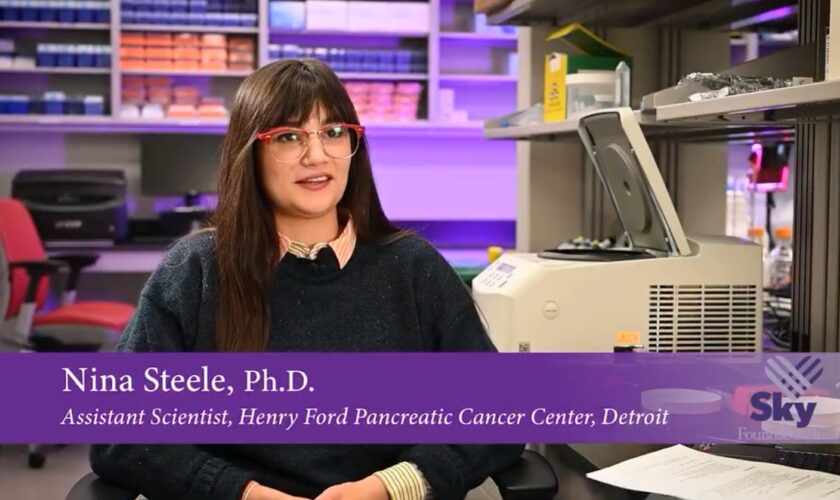
Dr. Nina Steele, PhD is Early-stage investigator, Assistant Scientist at Henry Ford Hospital and Pancreatic Cancer Center. Her laboratory is focused on improving outcomes for pancreatic cancer patients through researching the tumor microenvironment. She has been focused on pancreatic cancer since her postdoctoral training at the University  of Michigan where I was a member of the Pancreas Disease Initiative group. She received mentoring throughout her training from several NIH funded investigators all focused on pancreatic cancer.  In 2022, she joined the Henry  Ford Pancreatic Cancer Center (HFPCC) to start her own lab as an Assistant Scientist in the Department of  Surgery. As one of 5 Principal Investigators in the center, she collaboratively works with the clinic on several  translational projects. The diverse patient population  and high-volume clinic in Detroit provide a unique opportunity for her lab to conduct high impact disparities  research, some of which she has already started.

read more

Lisa Miller-Phillips, MD | University of California San Francisco

Lisa Miller-Phillips, MD

Postdoctoral Scholar, Medicine

School of Medicine

University of California San Francisco 


Project Title: Histological and transcriptional characterization of organotropism in Pancreatic Ductal Adenocarcinoma (PDAC) with focus on the “Lung Only” metastatic variant


Dr. Miller-Phillips’ Bio: 

Dr. Miller-Phillips is a clinically practicing medical doctor and researcher with a focus in GI-oncology. Her recent work includes translational research on predictive and prognostic biomarkers in the treatment of gastrointestinal tumors, with the main aims of exploring gene mutations within the EGFR-signaling pathway and finding biomarkers to predict the efficacy of EGFR antibody therapy. Her goal is to help advance precision medicine for cancer treatments.  

read more

Innovative treatment uses radio frequency to target and reduce cancerous tumors

Very hopeful news!

Karmanos Cancer Institute, the largest provider of cancer care and research in Michigan and part of McLaren Health Care, announced that it will be the first provider in the country to offer patients the new FDA-approved TheraBionic P1 device for the treatment of advanced hepatocellular carcinoma (HCC), the most common type of liver cancer. HCC accounts for approximately 90% of all liver cancers, with average survival rates between 6 and 20 months. The innovative TheraBionic P1 device is a novel at-home treatment that emits low levels of radio-frequency electromagnetic fields that block the growth of tumor cells without affecting healthy tissue. The device is approved for treating patients 18 years of age or older who fail first- and second-line therapies. Karmanos’ new president and CEO, Boris Pasche, M.D., Ph.D., FACP,and Anthony Shields, M.D., Ph.D., medical oncologist and leader of the Gastrointestinal and Neuroendocrine Oncology and the Phase 1 Clinical Trials Multidisciplinary Teams, lead the way.

This device potentially could be used to treat pancreatic cancer in the future. Click here to learn more about it.


read more

HOUR DETROIT HIGHLIGHTS SKY FOUNDATION’S NIGHT SKY GALA

HOUR DETROIT HIGHLIGHTS NIGHT SKY GALA

Guests at Sky Foundation, Inc.’s Night Sky Gala on Nov. 9, 2023, enjoyed ”an elevated experience” in support of the organization’s mission to increase awareness of pancreatic cancer and fund research for early detection, prevention, and treatment. The event took place at The Henry Ford Museum in Dearborn and featured hors d’oeurves and a plated dinner, an open bar, live and silent auctions, live entertainment, a wine raffle, and admission to the museum.

CLICK HERE FOR LINK


read more

Episode #105: Fear & Anxiety

Clinical Health Psychologist Dr. Kelly Martens discusses the impact of fear and anxiety on individuals diagnosed with pancreatic cancer and their coping strategies. Subjects cover fear of recurrence and disease progression, emotional responses, and experiences sharing. Dr. Martin highlights that fear is a normal response, and a study showed surgery patients had lower fear scores initially. However, long-term fear return is prevalent, and coping mechanisms like cognitive behavioral therapy, mindfulness practices, and medication are suggested to manage stressors and distorted thoughts. The video also explores the importance of acceptance, focusing on controllable stressors, and seeking different types of support for emotional, informational, tangible, and social needs. Dr. Martens emphasize the significance of self-advocacy and maintaining a survivorship care plan.
Kelly discusses the experience of living with fear and anxiety, particularly in relation to a serious illness like pancreatic cancer. They advocate for seeking trustworthy health information and prioritizing mental health, encouraging viewers to seek professional help if necessary. Dr. Martens emphasizes the potential benefits of reevaluating priorities and discovering what’s truly important in the face of challenging experiences. Survivors share personal story of surviving pancreatic cancer and the importance of self-value and reprioritization during their journey. Dr. Martens advises viewers to focus on small changes and find meaning in their situations rather than regretting missed opportunities. There is a natural response of fear and anxiety after a cancer diagnosis, and it is important to recognize personal triggers and coping mechanisms.

HIGHLIGHTS

00:00:00    Dr. Kelly Martin from Henry Ford Health discusses the impact of fear and anxiety on individuals diagnosed with pancreatic cancer and their strategies for coping.

00:05:00    Emotional responses of individuals, including themselves, who have undergone surgery for cancer, with a focus on those diagnosed with pancreatic cancer.

00:10:00    A cancer survivor shares her experience of going through surgery and feeling a sense of relief and renewal afterward.

00:15:00    Greg dives into details of his experience surviving cancer and the subsequent challenges of adapting to a new normal.

00:20:00   Connection between fear and anxiety, particularly in relation to a cancer diagnosis, and depression.

00:25:00    The connection between physical & mental symptoms, specifically in the context of fear of recurrence or progression of cancer.

00:30:00    Different types of distorted thoughts that contribute to fear and anxiety, specifically in relation to health concerns. The ultimate goal here is not to eliminate anxiety entirely but to reduce it by shifting one’s perspective.

00:35:00    The importance of acceptance and understanding the power of these thoughts rather than trying to change them.

00:40:00    Using detachment to change the way of thinking and eliminate anxious thinking.

00:45:00    A guest shares her experience with managing anxiety through various methods.

00:50:00    Strategies for coping with stressors, and the importance of advocacy.

00:55:00    The importance of identifying and seeking different types of support, as well as applying self-advocacy to manage fear and anxiety.

01:00:00    Various aspects of living with anxiety and fear, particularly in the context of a serious illness such as pancreatic cancer.

01:05:00    Patty, Greg’s advocate and wife, shares feedback on the importance of self-value and reprioritization during a survivor’s journey.

01:10:00    The normal response of fear and anxiety after a cancer diagnosis, specifically for pancreatic cancer.

read more

Three Women Researchers Chosen for 2023 $50,000 Grants

We are proud to announce our 2023 Sky Grant recipients. The process to achieve these awards is rigorous. The applications submitted for this cycle nearly doubled. Our esteemed Sky Scientific Advisory Committee  makes the final recommendations to the Sky Governing Board for approval.

The following are three $50,000 grant recipients for 2023 

POSTDOCTORAL/NON-TENURE TRACK CATEGORY:

Despoina Kalfakakou, PhD | New York University Langone Health

Research Title: Therapeutic impact of clonal heterogeneity of human pancreatic adenocarcinoma

Lisa Miller-Phillips, MD | University of California San Francisco

Research Title: Histological and transcriptional characterization of organotropism in Pancreatic Ductal Adenocarcinoma (PDAC) with focus on the “Lung Only” metastatic variant

PRE-TENURED CATEGORY:

Nina Steele, PhD | Henry Ford Health

Research Title: Immune suppression and racial disparities in pancreatic cancer progression


SKY’S MISSION

Sky Foundation awards seed-money grants to scientists and clinicians from coast to coast who are pursuing research of great promise in the areas of early detection, prevention or treatment of pancreatic cancer. This start-up funding helps researchers get to the point in their work where they can successfully attract financial support from the National Institutes of Health and other national funding sources, and ultimately, be able to make a positive impact on the outcomes for pancreatic cancer patients.

Since its inception, Sky Foundation has funded over one million dollars in seed fund grants. Every year our researchers update us on the progress and their hope for the future.

SKY’S IMPACT FIGHTING PANCREATIC CANCER

“We are all so indebted for the work done by SKY Foundation in the last decade. I have been a beneficiary of SKY Foundation seed funds. I was supported by Sheila during the time when I was establishing my laboratory. I owe a lot of my success to Sheila and SKY Foundation. These seed funds allowed the generation of critical preliminary data and helped my research team secure more than $2.4 million in federal grants. The help from SKY foundation is integral to the success of the research.”Asfar Sohail Azmi, PhD

“The support of the Sky Foundation has been fundamental because it provided the financial resources to carry out our studies. Most importantly, our focus and efforts were inspired by the unwavering dedication and commitment of Sheila Kasselman, who we truly admired for her relentless fight against pancreatic cancer. Sheila was the driving force behind our science and our mission to make a difference as she did, and for this she will live forever in our hearts.”  Rafael Fridman, PhD

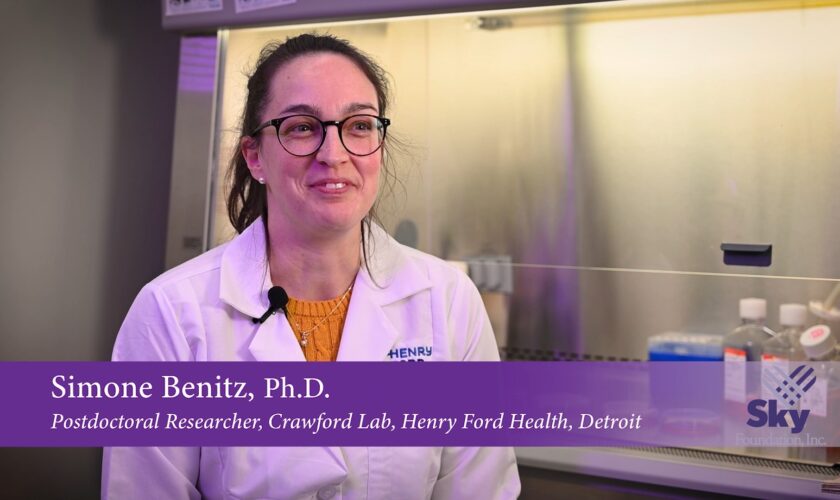
“My team and I are extremely grateful for Sky Foundation to fund this promising study, which allowed us to use state-of-the-art technologies to discover these novel findings, the fundamentals for making substantial progress in pancreatic cancer research.”Simone Benitz, PhD

“We are extremely grateful for the support of Sky Foundation. Sky Foundation’s support of a postdoctoral fellow allowed us to do these studies, which will inform future pre-clinical studies and clinical trials. We look forward to continued partnership with the foundation to advance discoveries in the laboratory to help patients.” Ben Z. Stanger, MD, PhD

The future to eradicate pancreatic cancer is promising and hopeful. These experts are conducting innovative research to increase the survival rate of pancreatic cancer from 12% to, one day, 100%. We are making a difference because of your generous donations. Thank you for your support. Let’s continue to invest in the future.

read more

New mRNA Pancreatic Cancer Vaccine Trial Starts Next Phase After Promising Results

A revolutionary approach to treating pancreatic cancer is progressing to the next step in making it available to more patients. After encouraging results from a small study, a phase 2 clinical trial has now opened to test the effectiveness of using an mRNA vaccine to fight one of the deadliest cancers.

The new trial is investigating whether this therapeutic vaccine reduces the risk of pancreatic cancer returning after the tumor is removed by surgery. The study will enroll approximately 260 patients at Memorial Sloan Kettering Cancer Center (MSK) and nearly 80 sites around the world.

The trial is open to people newly diagnosed with pancreatic cancer who have not yet had surgery or other treatment (such as chemotherapy, immunotherapy, or radiation therapy) and who fit other specific criteria.

The mRNA vaccines are custom-made for every person. They use proteins in the pancreatic tumors, called neoantigens, to alert the immune system that the cancer cells are foreign. In this way, the mRNA vaccine trains the body to protect itself against cancer cells.

The phase 2 trial follows promising results from a phase 1 trial involving 16 MSK patients, reported May 10, 2023, in Nature. The vaccine may have prevented or delayed relapses in about half the patients who received it. Click here to read more.

read more

Sky President Completes Ironman in her Husband’s Memory Raising over $20K

A Runner Turned Triathlete & Cancer Awareness Advocate

Shannon Crone has been competing in marathons since 2004 and IRONMAN events since 2014. Mike, her husband, was her greatest cheerleader, supporting her at every step leading up to, and on race day. In the summer of 2019, in a matter of 3 weeks, she lost Mike to pancreatic cancer.

Our dedicated Sky Foundation President trained tirelessly for the World Championship IRONMAN in October 2023. She journaled her progress, and raised funds for Sky Foundation in Mike’s memory. We support her strength and efforts in this mentally and physically challenging, yet rewarding, venture.

We encourage you to read about Sky’s inspiring President and her amazing ride, raising over $20K for pancreatic cancer research and awareness!  Click here to follow her blog and donate to her efforts.


read more

Sky Annual Fundraising Events

SKY ANNUAL EVENTS

We host three major events a year, in the spring, summer and fall. All fundraisers are designed to raise awareness of pancreatic cancer, the risk factors, the importance of genetic counseling, and updates from researchers working on the early detection, prevention and treatment of the disease. Proceeds from the events become seed-money grants to advance promising research.

WOMEN’S EVENT – SPRING

Sky Foundation’s Women’s Event is known for providing interesting information from innovative pancreatic cancer professionals.   Our event includes a cocktail hour with a 52-Card Raffle and an array of Raffle Baskets, followed by dinner and the professional researchers presentation. Click here to view our photo album from our recent May 2023 event where we featured a panel of professional women experts in the pancreatic field. (Hear firsthand from one of our board members why this event is so special.) This event is a favorite of many in the community due to it’s more intimate setting and continued education.

SKY STROLL – SUMMER

Sky supporters from all over the country gather in groups, both large and small for the Sky Stroll. Create your own event and raise funds for pancreatic cancer research.

We define our “Stroll” as walking, jogging, running, swimming, biking, picnicking, boating, and more. You create your own team, get inspired, and make this a one-of-a-kind event or join one of your community members.

The Sky Stroll is now in August and September to recognize our Founder, Sheila Sky Kasselman, around her birthday.  Sheila passed away from complications of pancreatic cancer in February 2023. Whether you are remembering Sheila, or one of your loved ones, use this as a celebration to honor a survivor or remember a loved one’s story and strength.

If you have family and friends who live elsewhere, they can still participate virtually.  Invite them to join your team and they can “stroll” in their city. (It is a more personal event that is shared with family and friends as one of our board member highlights why it is her favorite.) On the day of the event you can upload and share your pictures so we can celebrate the stroll together. To register for a team or create your own, click here.

Beginning 2023, we have our first annual “Pickleball Edition” of the Sky Stroll on August 5th. The Pickleball Event will recognize Sky’s Founder, Sheila Sky Kasselman.  Sheila passed away from complications of pancreatic cancer in February 2023. We want to bring people together to raise awarenss in her honor around her birthday.  This will be a celebration to remember her story and strength. Click here for more information.

GALA – NOVEMBER

During Pancreatic Cancer Awareness Month, Sky will host our largest event of the year. We gather together and raise funds for research focused on early detection and treatment of pancreatic cancer and celebrate the strides we have made. (Click here to see why this event is a favorite of many.) This is a ticketed event with a live auction and raffle prizes that draws an attendance between 300 and 400 people. It has previously been held at The Townsend Hotel, MGM Grand, and other popular Detroit venues.

We are excited to announce that the 2023 event will be at The Henry Ford Museum in Dearborn, Michigan on November 9th. We highlight speakers who have been touched by pancreatic cancer, Sky funded researchers, and other pancreas medical experts to educate our community on the progress and hope for the future. Stay tuned for more details to come, including highlighted speakers, registration and sponsorship opportunities.


read more

Sky Foundation Welcomes New Executive Director


Sky Foundation Announces Successor & New Executive Director

July 10, 2023 – Bloomfield Hills, Mich. – Sky Foundation, Inc. is thrilled to introduce Jody Skonieczny as their new Executive Director.  Jody is succeeding Sheila Sky Kasselman, Sky’s recently deceased Founder, beginning July 6th, 2023.  

With more than 20 years of nonprofit leadership experience, Jody Skonieczny specializes in bringing people and resources together for the greater good. She has worked in nonprofit organizations of all sizes, from her small-town chamber of commerce to large national charitable organizations. From fundraising and event planning to membership and strategy, working with volunteers has always been her favorite part of the job. Most recently she was Senior Vice President, Member Engagement, Volunteer Development & Chief Strategy Officer with MICPA, and previously held related positions with St. Clair County Community College and Detroit Red Wings – Little Caesars Amateur Hockey.

Skonieczny holds a B.A. in Communication from Oakland University and an M.A. in Liberal Studies from the University of Michigan – Flint. She is pursuing her doctorate in Leadership Studies at LSU – Shreveport.

“I am excited and honored to work alongside the dedicated board members, staff, volunteers, and supporters of Sky Foundation. With their passion and hope as a catalyst, I know we will make great strides in our mission of raising awareness and funding innovative research for the early detection and treatment of pancreatic cancer.” Stated Jody as she was welcomed by Sky Foundation’s Governing Board.  

Sky Foundation is a nonprofit based in Michigan that raises awareness and funds innovative research for the early detection and treatment of pancreatic cancer.  This organization was founded by Sheila Sky Kasselman, a 16-year survivor of pancreatic cancer.  

Sheila’s son Geoffrey Kasselman, a member of Sky’s Governing Board and its Search Committee noted: “Selecting someone special to take the reins of Sky Foundation was a thorough and thoughtful process. We have every confidence that Jody is the one to take Sky to the next level. On behalf of the Kasselman family, I welcome Jody and know that my mom would be elated to have Jody leading Sky Foundation.”


read more

Episode #104: Digestion & Nutrition

Dr. Howard Crawford and Dr. Nina Steele from Henry Ford’s Pancreatic Cancer Center discuss the complexities of the digestive system, focusing on the role of organs like the stomach, salivary glands, and pancreas. They emphasize the importance of understanding the overall system and its functions, both before and after procedures like the Whipple surgery, when addressing digestive issues. Discussion includes the roles of various organs, such as the salivary glands, which produce digestive enzymes, and the stomach, which secretes hormones for nutrient absorption and regulates the digestive process through peristalsis.
The scientists also touch on the intricacies of the nervous system’s role in digestion and how it interacts with different organs. Additionally, they explore the potential for cellular plasticity in the digestive system as a response to the loss of certain functions and Stanford University’s ongoing research in this area. Overall, the conversation revolves around the complexities of the digestive system, the influences of age and surgery on its functions, and the importance of continued research in this field. Ongoing clinical trials focus on preventing pancreatic cancer recurrence are discussed. Trials led by the Mayo Clinic involve patient biopsies and surgeries with tumor sequencing for preventive measures. The success of these immune therapies relies on the elimination of residual disease post-surgery. 

HIGHLIGHTS

00:00:00    Dr. Crawford and Dr. Steele discuss the normal functioning of the digestive system and the potential effects of pancreatic cancer and its treatment on nutrition.

00:05:00    The importance of salivary glands and stomach in the digestive process.

00:10:00    Relation between the roles of the stomach in digestion and nutrition.

00:15:00    The complex role of the nervous system, specifically the enteric nervous system, in digestion.

00:20:00    Functions of different regions of the stomach in aiding digestion.

00:25:00    Potential for cellular plasticity in the digestive system, specifically in the case of a total pancreatectomy or after a Whipple procedure.

00:30:00    Roles of various organs in the digestive system, including the pancreas – which is described as having both endocrine and exocrine functions.

00:35:00    The role of the pancreas in regulating glucose levels through the production of insulin and glucagon.

00:40:00    Consequences of losing parts of the digestive tract during surgeries like the Whipple and pancreatectomy.

00:45:00    Personal experiences with digestion and nutrition are shared, specifically regarding the absorption of certain vitamins and fats.

00:50:00    Absorption of nutrients and the role of the microbiome in various parts of the digestive system.

00:55:00    How chemotherapy can affect the endothelial cells in veins and arteries, potentially altering their functionality.

01:00:00    Ongoing clinical trials aimed at preventing pancreatic cancer recurrence.

read more

Episode #103: Whipple’s Impact on the Gastric System

Dr. Cyrus Piraka, Gastroenterologist, discusses the impact of the Whipple procedure on the gastric system. He highlights that the surgery involves a complete tear-out of the affected organs, including the stomach, duodenum, pancreas, and bile duct, leaving survivors with only essential functions. Dr. Piraka emphasizes the importance of understanding the unique challenges faced by individuals after having a Whipple procedure, as it not only affects cancer patients but also those with benign conditions. The discussion covers the anatomy and physiology of the gastric system, including the stomach, duodenum, pancreas, and bile duct.
Cyrus goes on to discuss the complications associated with the surgery, such as GI tract symptoms, gastroparesis, and digestive enzyme deficiencies. He also touches on the importance of multidisciplinary care and the role of dietitians in managing nutritional complications. He expresses concerns about the insufficient care given to patients after undergoing a Whipple procedure and encourages further research and evidence-based care.
This episode explores the potential connection between pancreatitis and pancreatic cancer, emphasizing the importance of regular evaluation for early detection. While chronic pancreatitis is linked to an increased risk of pancreatic cancer, Dr. Piraka acknowledges the need for further research. He also shares insights on avoiding alcohol consumption after a Whipple procedure, as some doctors advise against it due to its potential impact on the liver and GI system. 

HIGHLIGHTS

00:00:00     The impact of the Whipple procedure on the gastric system

00:05:00     Overview of the digestive process with a focus on the upper GI tract, particularly the stomach and duodenum.

00:10:00     The stomach’s operations & functions and its relation to a tumor environment.

00:15:00     Digestive functions of the stomach, bowel, and how they operate in relation to digestion.

00:20:00    The roles of the pancreas and bile duct in the upper gastrointestinal (GI) tract.

00:25:00     The discussion revolves around the complexities of the digestive system and how it adapts to disease processes.

00:30:00    Long-term complications of the Whipple procedure, which affected nearly half of the patients in a study with a follow-up of at least four years.

00:35:00    Challenges in treating gastroparesis, a condition in which the stomach’s nervous system function is disrupted, often after surgery or a cancer diagnosis.

00:40:00    Dietary management and pancreatic insufficiency, common issues post Whipple Procedure.

00:45:00    Two common issues that can arise after bowel surgery, specifically a Whipple procedure.

00:50:00    The importance of dietitians in managing nutritional complications after a Whipple procedure, specifically in regards to gastroparesis and pancreatic insufficiency.

00:55:00    The insufficient care given to patients after undergoing a Whipple procedure, which is used to treat pancreatic cancer.

read more

Cancer Drug Shortages near an All Time High, Leading to Rationing or Delay

A scarcity of cancer drugs has heightened concerns about the troubled generic drug industry. Congress and the White House are seeking ways to address widespread supply problem. Fourteen cancer drugs are in shortage, according to the Food and Drug Administration.

The oncology shortage is especially frightening for chemotherapy patients. Carboplatin, a chemotherapy agent used as a first line treatment for a number of cancers, is one of the many in shortage. For more information, click here.


read more

A Vaccine for Pancreatic Cancer Looks Hopeful

Messenger RNA (mRNA) vaccines may be the hottest thing in science now, as they helped turn the tide against COVID-19 by preventing infection. Find information below on what they discussed for Phase 1 Trials, the promising results and recent findings.  


Phase 1 Pancreatic Vaccine Trial Results

Now results from the phase 1 trial, reported May 10 in Nature, suggest that the vaccines cause an effective and lasting immune response. In 8 of 16 patients studied, the vaccines activated powerful immune cells, called T cells, that can recognize the pancreatic cancer specific to a patient. These patients also showed delayed recurrence of their pancreatic cancers, suggesting that the T cells activated by the vaccines may be having the desired effect — to keep pancreatic cancers in check.

“These exciting results indicate we may someday be able to use vaccines as a therapy against pancreatic cancer,” Dr. Balachandran says. “The evidence supports our strategy to tailor each vaccine to each patient’s tumor.”

Next Steps After Promising Results

A larger, randomized clinical trial is set to open involving patients at multiple sites in various countries. MSK expects to begin enrolling patients in the trial this summer.

Here, Dr. Balachandran discusses how the initial laboratory discovery and a collaboration with Genentech, a member of the Roche Group, and BioNTech, an immunotherapy company, led to this potential treatment for pancreatic cancer.

What do these recent findings tell us about using mRNA vaccines to treat pancreatic cancer?

It shows that we are on the right track: An mRNA vaccine can trigger T cells to recognize their pancreatic cancers as foreign. Moreover, the vaccines stimulated many such T cells, and these T cells could last in patients up to two years later, even though patients received chemotherapy after vaccination. At a median follow-up of 18 months, in patients with such vaccine-expanded T cells, the cancers had not come back. In contrast, cancers came back approximately 13 months after surgery in patients where vaccines did not expand T cells.

One of our patients, Barbara Brigham, received the vaccine in 2021 and continues to do well.

It’s exciting to see that a personalized vaccine could enlist the immune system to fight pancreatic cancer — which urgently needs better treatments. It’s also motivating as we may be able to use such personalized vaccines to treat other deadly cancers.


To read the full article, click here.  

In addition, another study has used an artificial intelligence model to predict individuals at high risk developing pancreatic cancer up to 3 years before their official diagnosis.  This could lead to earlier diagnosis of those with elevated risks. To read this published article, click here.


read more

Questions to ask Yourself and your Medical Team

Please join Sky Foundation’s Support Circle for one-on-one support and personal referrals to additional resources.


WHAT IS PANCREATIC CANCER?

  • What type of pancreatic cancer do I have? Pancreatic Adenocarcinoma vs. Neuroendocrine Cancer
  • Have you treated pancreatic cancer before? Is it your specialty?
  • What has the general outcome of those patients been?
  • Do each patient have a full medical care team? Do you assemble it or do I?

WHAT ARE MY TREATMENT OPTIONS?

  • What treatments are recommended?
  • If this is a surgeon, how many surgeries have you performed on pancreatic cancer patients? Is surgery a possibility to treat this cancer?
  • What is Whipple Surgery? 
  • What can I expect for the recovery of Whipple surgery? 
  • Are there other treatment options available that you do not provide? (i.e., protocol treatments, herbal therapy, touch therapy, other alternative therapies, clinical trials)
  • What are the risks and benefits of each treatment?
  • What are the medications being prescribed? What are they for? What are their side effects?
  • How should I expect to feel during the treatment(s)?

WHO IS ON YOUR TEAM AND ARE YOU PREPARED FOR LIFE CHANGES?

  • What other professionals should I have as part of my medical team?
  • Do you recommend a nutritionist?
  • Do you recommend a psychologist and therapist?
  • Should I do genetic testing? Is this hereditary? 
  • How will pancreatic cancer affect my quality of life?
  • How will pancreatic cancer affect my ability to work?
  • What are possible physical limitations?
  • Will my current lifestyle be changed?

ARE YOU A PRIORITY FOR YOUR MEDICAL TEAM?

  • Does my doctor appear interested in me personally and my diagnosis?
  • Do I feel that my doctor cares about my medical outcome?
  • Do you have psychological and emotional support? Family and professional support are both important.
  • Are you comfortable with your medical team?
  • Have you had an additional consultation with another doctor? Should I get a second or a third opinion?
  • Most importantly, take an additional person to your medical appointments and record doctor/patient conversation so you can go back and review the provided information.

ADDITIONAL EMOTIONAL AND FINANCIAL SUPPORT RESOURCES: Sky’s Road Map For Patients, Families and Friends:

Click here: Road Map for Patients

SUPPORT GROUPS

  • It always difficult when you or someone close to you is diagnosed with cancer. It is critical to have support for the patient, the family and friends during this difficult time. Here are a two resources in the metropolitan Detroit area that offer various support groups to help you through your journey.
read more
1 2 3 4 7
Page 2 of 7
Donate Now