close

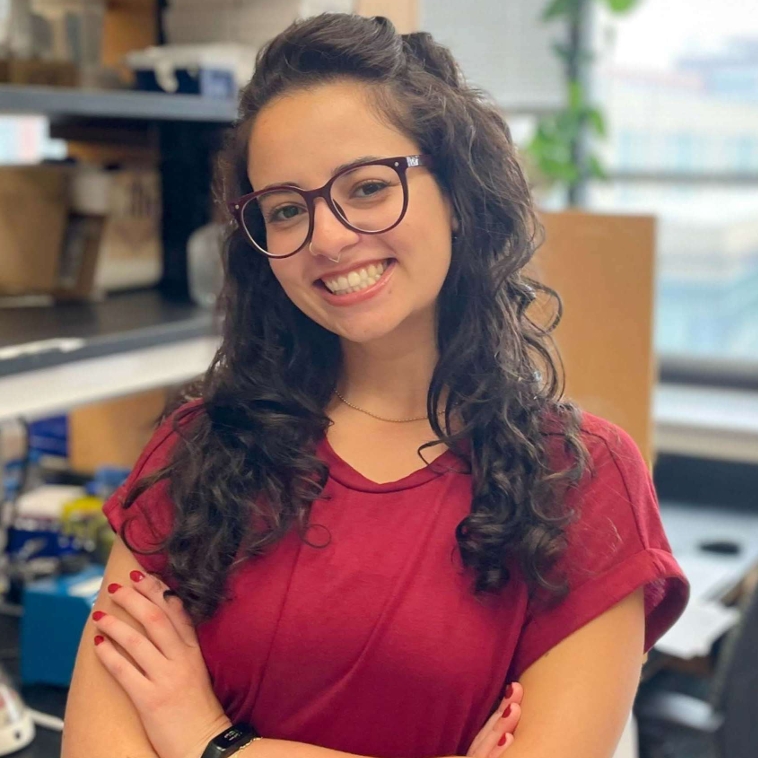
Annie Dalton

Two Drugs Stir Hope for Treatment of Deadly Pancreatic Cancer

A recent New York Times report highlights two experimental drugs generating optimism in the treatment of pancreatic cancer, a disease long known for its aggressive nature and limited treatment options. Researchers say these therapies are showing encouraging early results by targeting specific cancer pathways and helping slow tumor growth in patients with advanced disease.

While more studies and clinical trials are still needed, the progress represents an important shift in a cancer type where breakthroughs have historically been rare. New treatment approaches like these reinforce the value of continued investment in research, early innovation, and patient participation in clinical trials.

At Sky Foundation, we believe hope begins with science—and every advancement brings us one step closer to better outcomes for patients and families facing pancreatic cancer.

🔗 Read the original article: https://www.nytimes.com/2026/04/21/business/pancreas-cancer-experimental-drugs.html?unlocked_article_code=1.c1A.PVvK.hzGx2EqCiv7x&smid=nytcore-ios-share


read more

mRNA Vaccine Shows Promising, Lasting Results in Pancreatic Cancer Trial

A groundbreaking early-stage clinical trial is offering new hope in the fight against pancreatic cancer. Researchers have developed a personalized mRNA vaccine designed to train the immune system to recognize and attack cancer cells—and early results show that it may create a lasting immune response in patients.

In the study, patients who received the vaccine after surgery showed strong, durable immune activity, with some remaining cancer-free longer than expected. While the trial is still in its early phases, these findings represent a major step forward in harnessing mRNA technology—similar to that used in COVID-19 vaccines—to treat one of the deadliest cancers.

This advancement highlights the power of innovative research and clinical trials to change the future of pancreatic cancer care. Continued investment in early-stage ideas and patient participation in trials will be key to turning promising science into life-saving treatments.

🔗 Read the full article: https://www.nbcnews.com/health/cancer/pancreatic-cancer-mrna-vaccine-shows-lasting-results-early-trial-rcna331969

read more

New Pancreatic Cancer Drug Nearly Doubles Survival

A promising new treatment for pancreatic cancer is showing encouraging results, with researchers reporting that the drug may nearly double survival time for some patients. The therapy targets specific cancer pathways, helping slow tumor progression and extend patient outcomes beyond what has traditionally been possible with standard treatments.

While still under clinical evaluation, this breakthrough highlights the growing momentum in pancreatic cancer research—where innovative therapies, many born from early-stage funding and clinical trials, are beginning to change what’s possible for patients.

This is exactly why awareness, research funding, and participation in clinical trials are so critical. Each advancement brings us closer to more effective treatments—and ultimately, more lives saved.

🔗 Read the full article: https://health.yahoo.com/conditions/cancer/pancreatic-cancer/articles/pancreatic-cancer-drug-nearly-doubles-195720621.html

read more

Johns Hopkins Study Identifies “Master Gene” Driving Pancreatic Cancer Spread

A groundbreaking study from researchers at Johns Hopkins has identified a key “master gene” that plays a powerful role in driving pancreatic cancer metastasis—the process by which cancer spreads to other organs. The research highlights how this gene activates pathways that allow pancreatic tumors to become more aggressive and invasive.

Metastasis is responsible for the majority of pancreatic cancer–related deaths, making discoveries like this especially significant. By understanding the genetic mechanisms that enable cancer cells to spread, scientists can begin developing targeted therapies aimed at slowing or stopping that progression.

Findings like these reinforce why continued investment in pancreatic cancer research is so critical. Each new discovery brings us closer to more effective treatments—and ultimately, better outcomes for patients and families impacted by this disease.

Read the full article on SciTech Daily here.

read more

Clinical Trails Explained: Know Your Options

A Pancreatic Cancer Educational Webinar Series

Clinical trials play a critical role in advancing pancreatic cancer research—yet they’re often misunderstood,
under-discussed, or introduced too late in a patient’s journey.

Clinical Trials Explained: Know Your Options is a multi-episode educational series designed to empower
patients, caregivers, families, and advocates with clear, practical information about pancreatic cancer clinical trials.

This series is presented by Sky Foundation, Inc. in partnership with TriCan Health,
bringing together researchers, oncologists, navigators, and patient advocates to help you understand your options at every stage.

Why This Series Matters

Every treatment available today was once part of a clinical trial. But clinical trials don’t begin overnight—before a trial starts,
research must be funded, tested, and validated.

Sky Foundation helps plant the early “seeds” by funding innovative research that can move from the lab to larger studies and,
ultimately, to clinical trials—creating real options for patients and families.

Research → Seed Funding → Clinical Trials → New Treatment Options

Episode Overview

Episode #1: Clinical Trials 101 — Understanding the Basics

A clear overview of what pancreatic cancer clinical trials are and how they work—plus how research moves from lab discoveries to patient care.

  • Bench-to-bedside: how research becomes clinical trials
  • The role of seed funding in early-stage research
  • What “standard of care” means
  • Common myths about clinical trials
  • When clinical trials should be considered in care decisions

Watch:  Episode 1: Clinical Trials 101 — Understanding the Basics

Episode #2: Understanding Clinical Trials — How to Find Them

A practical guide to searching for pancreatic cancer trials and understanding what happens after you identify a potential option.

  • Key elements of a trial (phase, eligibility, groups, enrollment size)
  • How to search for trials and narrow your options
  • What happens after you identify a trial (contacting sites, screening)
  • How to prepare and what to expect during participation

Watch:  Episode 2: Clinical Trials 101: Part 2

Episode #3: Michigan Clinical Trials

Hear directly from Michigan institutions about pancreatic cancer clinical trials currently enrolling—plus how patients can access options across systems.

  • Overview of active, enrolling trials in Michigan
  • What makes these trials promising right now
  • Access across institutions and timelines for participants
  • Why asking about trial options early matters

Watch:  Episode 3: Michigan Clinical Trials 

Episode #4: Discovery & Enrollment

Step-by-step guidance for patients and caregivers navigating eligibility, enrollment, and preparation for trial screening.

  • What to ask your doctor and how eligibility really works
  • What records to gather and how to prepare for outreach
  • What screening and enrollment typically look like
  • Why promising drugs must go through clinical trials

Watch:  Episode 4: Discovery & Enrollment 

Episode #5: A Patient Perspective

A patient-focused panel sharing real clinical trial experiences—from asking about trials to enrollment to life after treatment.

  • How patients found and enrolled in clinical trials
  • What participation looked like day-to-day
  • Debunking myths and building self-advocacy
  • Extended Q&A

Watch:  Episode 5: A Patient Perspective

Episode #6:  Prevention, Genetics & Early Detection

Clinical trials are not only for patients in active treatment. This episode focuses on prevention, genetics, and early detection trials for
high-risk individuals, family members, and communities historically underrepresented in research.

  • Prevention and screening clinical trials: what they look like
  • Genetic and family-risk research opportunities
  • Why representation improves research and patient outcomes
  • Who may be eligible—family members, genetic carriers, high-risk populations

Registration: Register to watch here

Who Should Attend

  • Pancreatic cancer patients
  • Caregivers and family members
  • High-risk individuals and genetic carriers
  • Community advocates and supporters
  • Anyone seeking a clearer understanding of pancreatic cancer clinical trials

Presented By

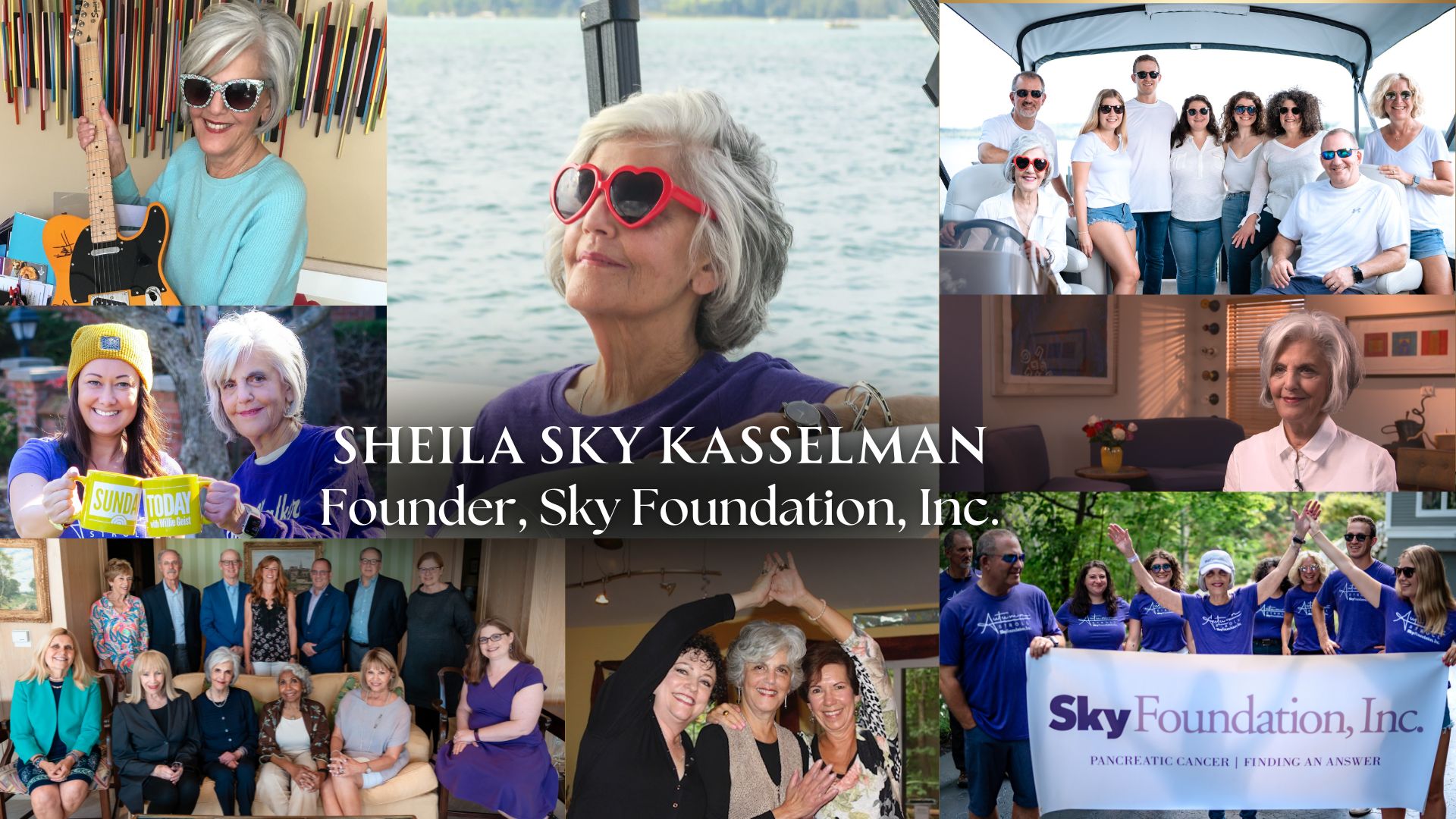
Sky Foundation, Inc. is a Michigan based, nonprofit organization founded by pancreatic cancer survivor, Sheila Sky Kasselman.  Sky raises awareness and funds innovative research for the early detection and treatment of pancreatic cancer.
TriCan Health is driven by a simple mission: to give every cancer patient the opportunity to access potentially life-saving clinical trials by making participation clearer, simpler, and more accessible. TriCan Health envisions a future where clinical trials are a realistic option for every cancer patient, not just a last resort for the few who how to find them.

Watch. Learn. Know Your Options.

Clinical trials are not just a last resort. They are a pathway to innovation, access, and hope.


Questions? Contact our team:  Annie@SkyFoundationInc.org 

read more

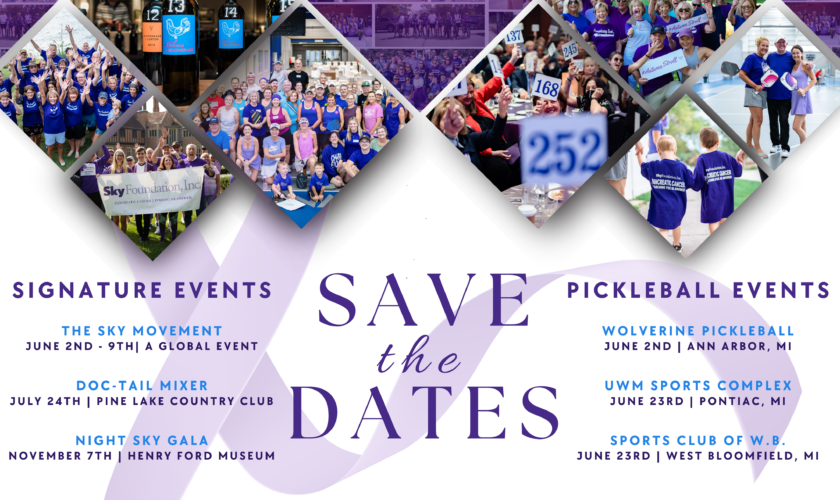
2026 Fundraising Events

More than 66,000 Americans will be diagnosed with pancreatic cancer this year. With a survival rate of just 13%, finding a cure is critical.

At Sky Foundation, we are committed to taking on this challenge. Our mission is to raise awareness and fund innovative research for the early detection and treatment of pancreatic cancer. We help life-saving research get off the ground, knowing that any one of the research projects we support could be the one that leads to the breakthrough that ends pancreatic cancer for good.

Through fundraising events, social media and unique public awareness opportunities we seek to educate and raise funding for pancreatic cancer research. We also stress the importance of genetic counseling, when to seek medical attention and potential risk factors and symptoms related to this disease. We have an ever-growing community with patients, survivors, family members, and loved ones that come together to support one another and our cause.

The researchers are the backbone of helping us find a cure to pancreatic cancer.

Sky awards seed grants for pancreatic cancer medical research, which provide initial funding to researchers for exploratory studies. These grants support innovative ideas, gather preliminary data, and encourage scientists to pursue their research further. Such funding plays a crucial role in kickstarting early-stage investigations and supports new approaches that will potentially lead to more significant research opportunities that may one day be the breakthrough to cure pancreatic cancer.

Join us in making a difference and showcasing your dedication to supporting Sky Foundation in this vital cause. Whether you’re a supporter, participant, or sponsor, your involvement speaks volumes to your clients, customers, and constituents. Sky Foundation provides numerous avenues for you to connect with our mission and display solidarity with the pancreatic cancer community. We invite you to explore the diverse opportunities available and consider partnering with us for any or all of our upcoming events. Together, we can make a meaningful impact and bring hope to those affected by pancreatic cancer.

At Sky Foundation, Inc., we believe in the power of community to drive awareness, fund research, and support those impacted by pancreatic cancer. Our fundraising events bring people together to make a difference—while having a great time!

Mark your calendars and join us for an exciting year of events in 2026.

CLICK HERE if your interested in partnering with us for any of our annual events


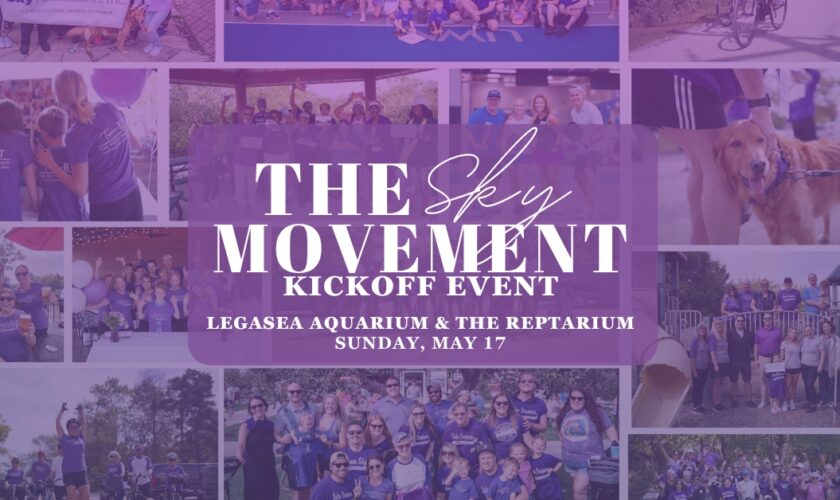
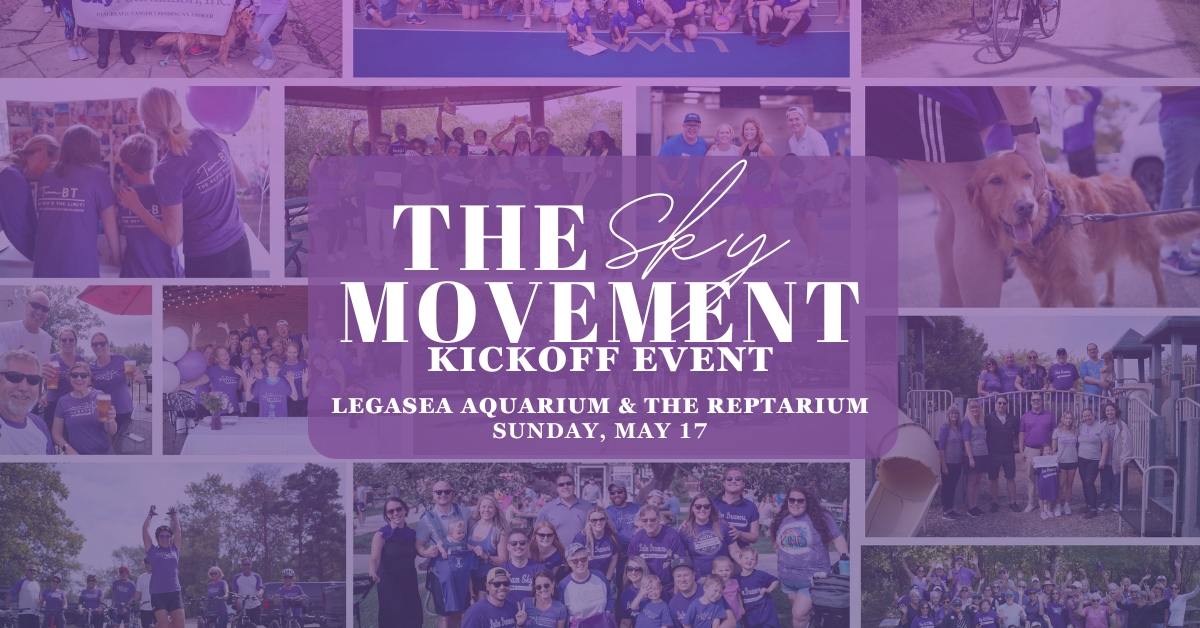
The Sky Movement

Sunday, May 17, 2026

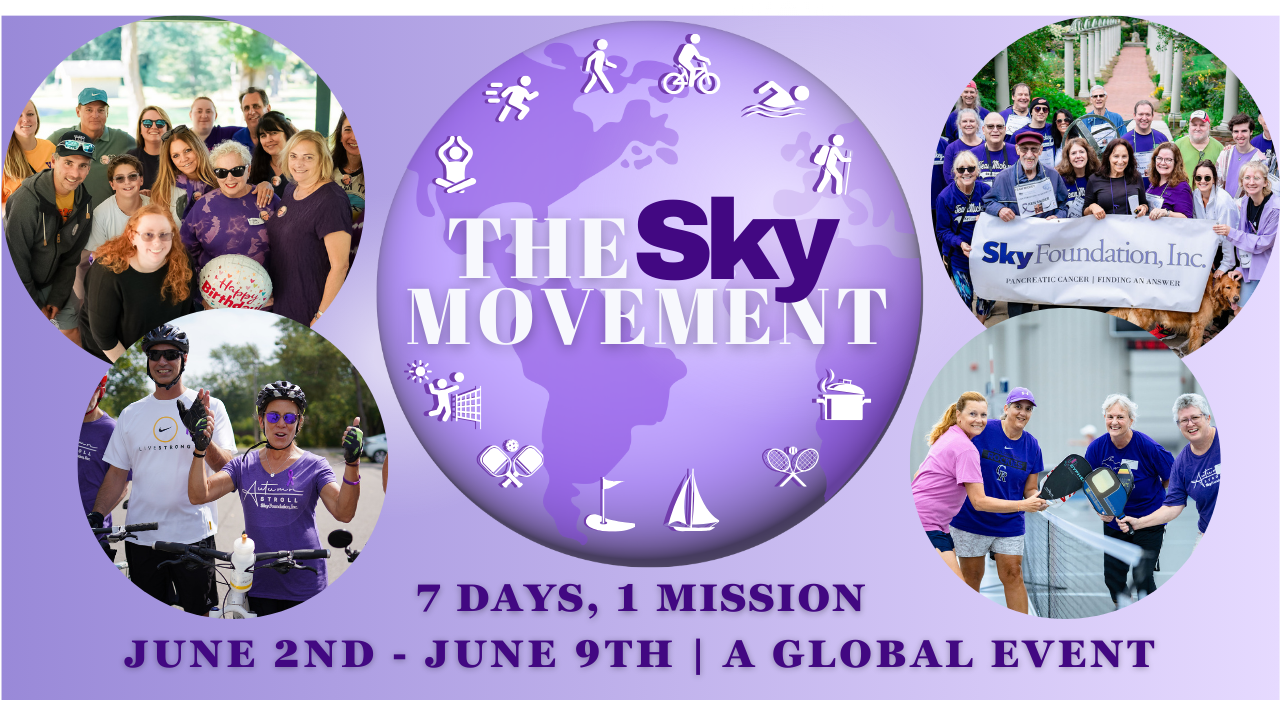
The Sky Movement is a powerful national initiative that brings individuals, families, and businesses together to raise awareness and critical funding for pancreatic cancer research. Whether honoring a loved one, supporting a colleague, or rallying a corporate team, participants unite around one shared purpose: advancing early detection and improving outcomes.

From walking and running to biking, yoga, pickleball, and more, the Movement is designed to be accessible anywhere — making it easy for teams and individuals across the country to participate in a way that feels meaningful to them.

In 2026, we are introducing an in-person kickoff event to celebrate together, build community, and recognize the collective impact of our supporters. Every step taken and every dollar raised fuels innovative research, educational outreach, and life-saving programs that give patients more options and more hope.

Whether you form a team, sponsor a group, or simply give in support, the Sky Movement turns action into progress.

REGISTER FOR THE SKY MOVEMENT HERE


Doctail Mixer 

Tuesday, July 21, 2026 | Pine Lake Country Club

At the Doc-Tail Mixer, doctors and medical professionals trade white coats for bar aprons, volunteering as “Doctenders” and crafting signature cocktails and mocktails in support of pancreatic cancer research. Guests sample each creation, vote for their favorites, and enjoy an energetic evening of connection and purpose.

Now in its third year, this signature event has rapidly grown — doubling revenue and expanding community engagement each year. More than a social gathering, the Doc-Tail Mixer fosters meaningful conversations between medical professionals, community leaders, corporate partners, and supporters, all united around advancing research and awareness.

Sponsors gain valuable brand exposure among an engaged and philanthropic audience, while guests experience a unique blend of entertainment, networking, and impact. Every ticket purchased and every vote cast directly supports innovative pancreatic cancer research and patient education initiatives.

CLICK HERE if you are interested in becoming a featured DOCTENDER at our Doctail Mixer!


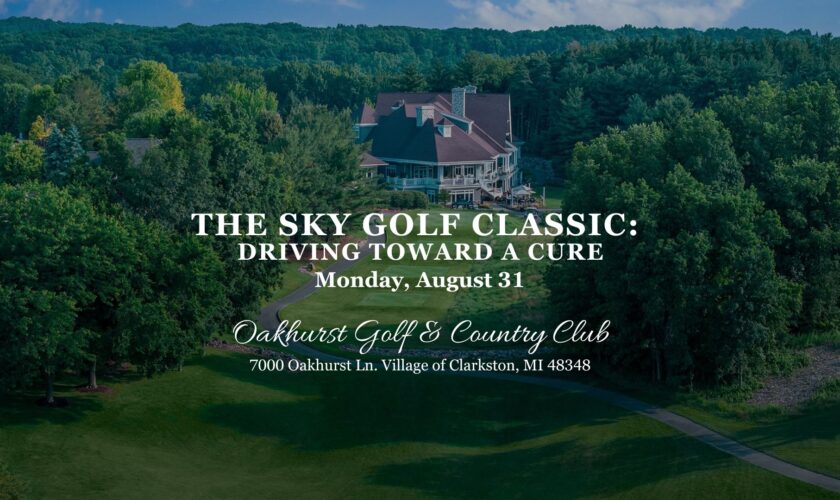
The Sky Golf Classic: Driving Toward A Cure

Monday, August 31 | Oakhurst Country Club

The Sky Golf Classic brings together business leaders, community partners, and passionate supporters for a day of friendly competition with a powerful purpose. Set against the beautiful backdrop of Oakhurst Country Club, this tournament offers teams the opportunity to connect, collaborate, and compete — all while driving progress toward earlier detection and better treatment options.

Designed for corporate teams, sponsors, and individuals alike, the event fosters camaraderie and visibility while aligning participants with a meaningful cause. Sponsorship opportunities provide brand recognition throughout the day, from course signage to on-site activations and digital promotion.

Every swing supports Sky Foundation’s mission to fund innovative pancreatic cancer research and expand awareness efforts across Michigan and beyond.

REGISTER FOR THE SKY GOLF CLASSIC


Night Sky Gala

October 8, 2026 | Saint John’s Resort 

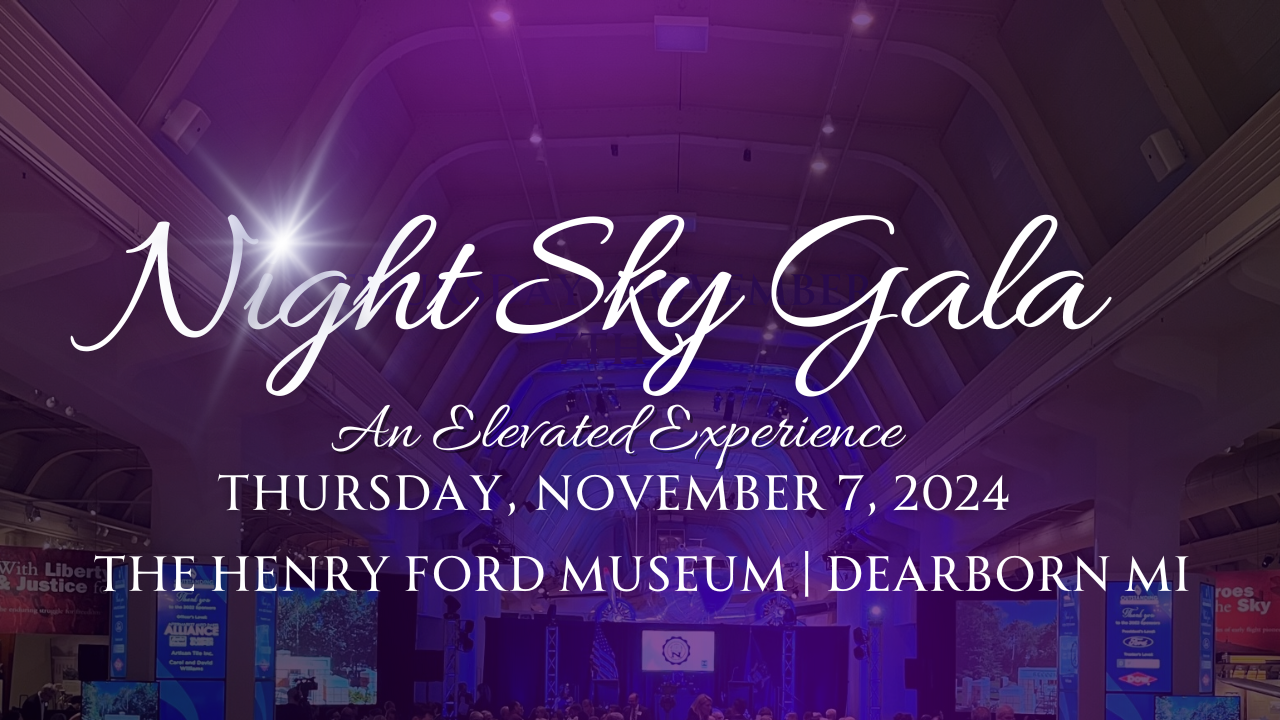
The Night Sky Gala is Sky Foundation’s largest and most impactful fundraiser of the year — an unforgettable evening of elegance, inspiration, and meaningful impact. This premier event gathers corporate partners, community leaders, researchers, advocates, and supporters who are committed to advancing pancreatic cancer research and awareness.

Held at the stunning Saint John’s Resort, the evening features a gourmet dinner, live entertainment, an exciting auction, and powerful stories from those personally impacted by the disease. It is a night that celebrates resilience, innovation, and the collective strength of a community determined to create change.

We proudly honor our “Stars in the Sky” — researchers, advocates, and volunteers whose dedication is accelerating breakthroughs in early detection and treatment. Sponsorship of the Gala offers premier brand visibility and alignment with one of Michigan’s leading pancreatic cancer organizations.

More than a gala, it is a gathering of changemakers — united to fund research, raise awareness, and bring hope to families facing pancreatic cancer.


read more

Federal Budget Advances Support for Pancreatic Cancer Research

Recent federal budget decisions signal renewed national momentum for cancer research—including meaningful progress for pancreatic cancer. In March 2026, Congress approved appropriations that increase funding for both the National Institutes of Health (NIH) and the National Cancer Institute (NCI), reversing previously proposed cuts and reaffirming bipartisan support for lifesaving science.

The NIH will receive approximately $48.7 billion, with the NCI allocated $7.4 billion, sustaining vital biomedical research across the country. Notably, the Defense Appropriations Bill also includes $20 million specifically dedicated to pancreatic cancer research—a historic investment that will help accelerate new breakthroughs in early detection, treatment, and survival outcomes.

While not all of this funding is earmarked directly for pancreatic cancer, these increases strengthen the research ecosystem that drives innovation forward—including the types of high-risk, high-reward projects Sky Foundation helps seed at institutions across the U.S.

Sky Foundation applauds this renewed commitment to scientific discovery and will continue advocating for increased awareness, funding, and equity in the fight against pancreatic cancer.

read more

KRAS Breakthrough: Karmanos Researchers Redefine What’s Possible in Pancreatic Cancer Treatment

A groundbreaking review led by researchers at the Barbara Ann Karmanos Cancer Institute and Wayne State University—including longtime Sky Foundation collaborator Dr. Asfar Azmi—was recently published in the high-impact Nature journal Signal Transduction and Targeted Therapy (impact factor >50). The article, “Targeting KRAS mutations: orchestrating cancer evolution and therapeutic challenges,” has already earned international recognition, becoming one of the journal’s most accessed papers, with coverage from OncoDaily News and a high Altmetric score.

KRAS mutations are among the most common and challenging drivers of pancreatic cancer. Once considered “undruggable,” new research is changing that narrative—and Karmanos is helping lead the way. Dr. Azmi’s lab is pioneering next-generation strategies to overcome resistance and improve the effectiveness of KRAS inhibitors, especially in patients with the G12D and G12V mutations prevalent in pancreatic cancer. His team is actively exploring promising combination therapies and leading the charge toward durable, precision-based treatment approaches.

Sky Foundation is proud to have supported early stages of this work through seed funding, and we celebrate this milestone as a shining example of how research and clinical care can work hand-in-hand to bring new hope to patients and families impacted by pancreatic cancer.

Read the full article here

read more

2025 Funded Researchers

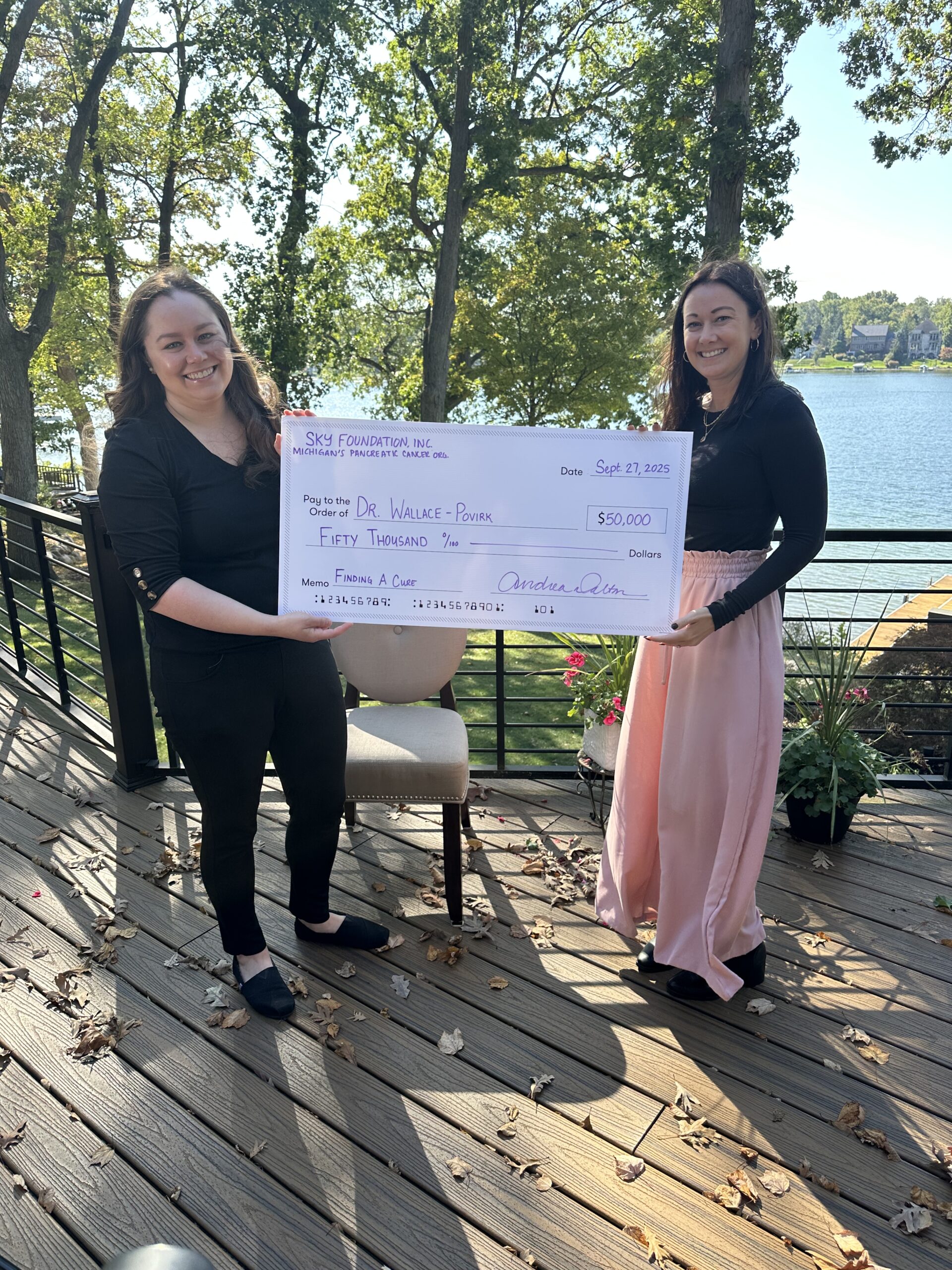
Adrianne Wallace-Povirk, PhD

Surgery- Pancreatic Cancer Center

Henry Ford Health

Dr. Wallace-Povirk studies how some pancreatic cancers grow and change inside the body. She looks at tiny details inside cancer cells to figure out why some tumors act more “normal” and others act more “aggressive.” By understanding these differences, she hopes to help doctors find better treatments that work for different kinds of pancreatic cancer. Because of her work — supported by our donors — future patients could have new medicine and hope instead of old, limited options.

Learn more about Dr. Wallace-Povirk here


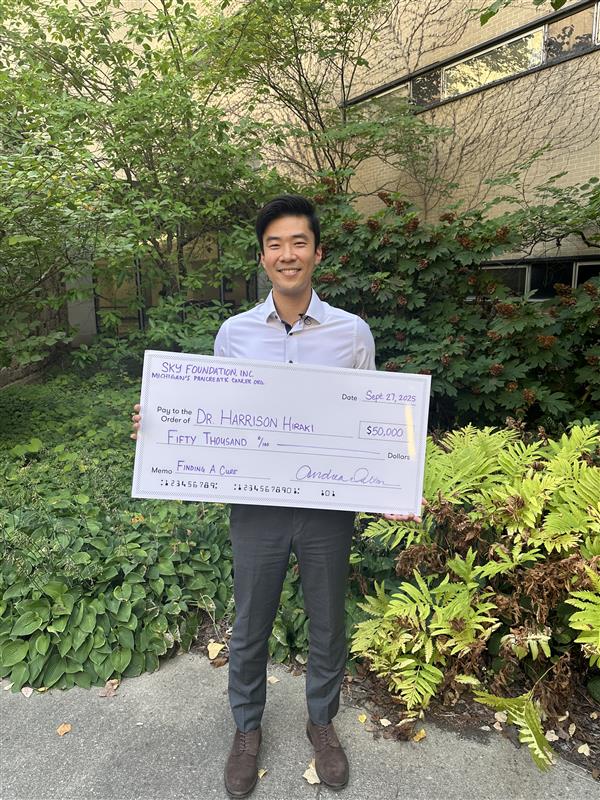
Harrison L Hiraki, PhD

Department of Surgery

Rogel and Blondy Cancer Center

University of Michigan Health

Dr. Hiraki builds tiny, lab-based “mini-organs” that act like the real pancreas — and blood vessels — to see how cancer cells and blood vessels talk to each other. With those mini-organs, he tries to find what makes cancer spread, and also discover new ways to stop it. Because of his research, we could potentially move drugs to the clinic faster — giving people with pancreatic cancer a better chance.

Learn more about Dr. Hiraki here


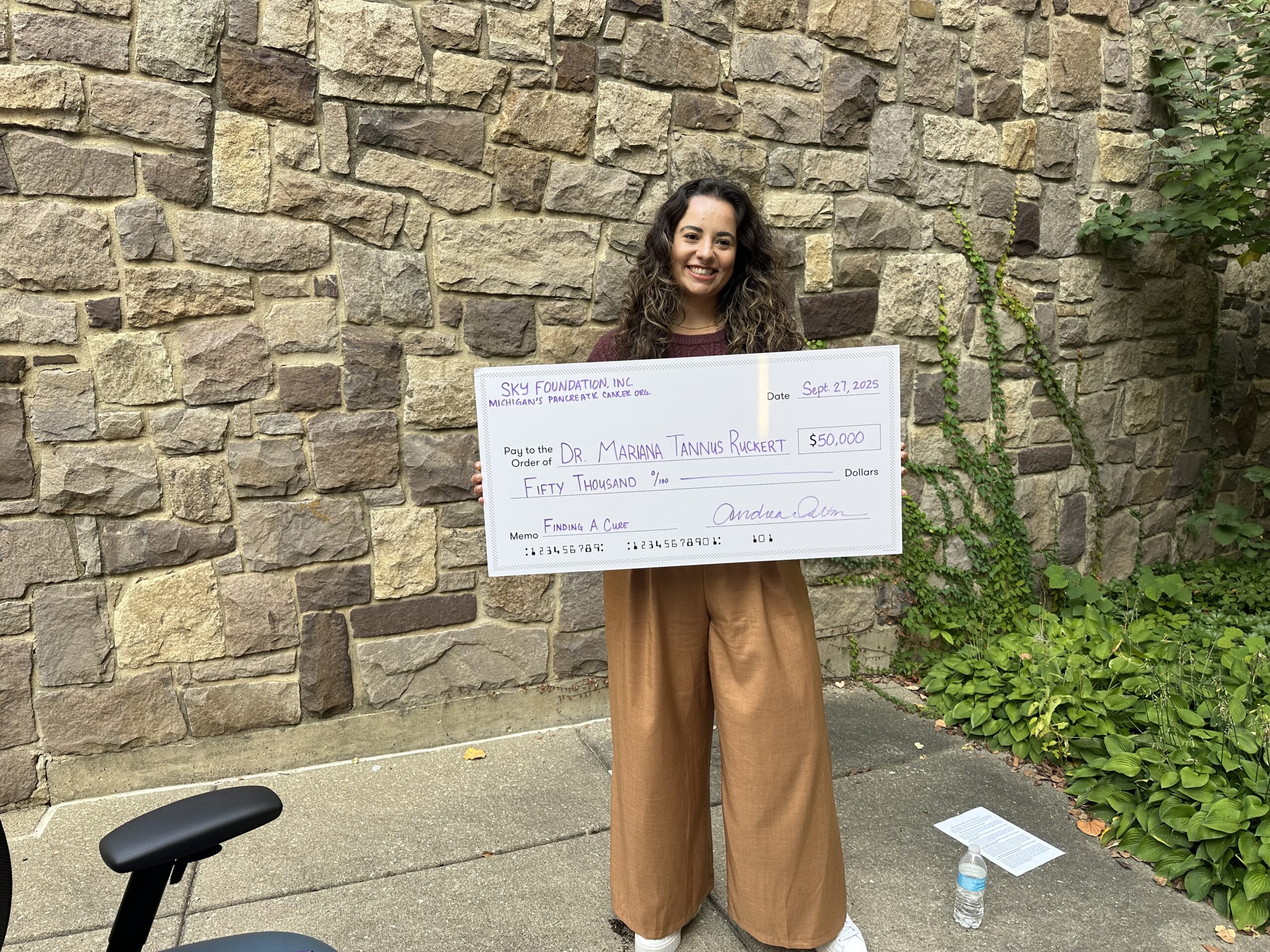
Mariana T. Ruckert, PhD

Molecular & Integrative Physiology

Rogel and Blondy Cancer Center

University of Michigan Health

Dr. Ruckert studies how pancreatic cancer begins so doctors can find it earlier and help more people survive. She looks closely at special pancreas cells that can change when they are stressed — sometimes becoming the very first step toward cancer. By testing medicines she strives to learn how to stop these cell changes before cancer starts. Her research could help create new ways to detect pancreatic cancer sooner and new treatments that prevent it from growing — giving patients more hope for the future.

Learn more about Dr. Ruckert here


read more

The Importance of Self Advocacy

No one expects to be told they have pancreatic cancer in the emergency room, with less than a 1% chance of survival, but that’s exactly what happened to Greg Adams. Determined to find another path, he sought six second opinions, ultimately raising his chances to 2%, and in his words “doubling my odds!” That gave him the drive to keep fighting.

Today, Greg is a seven-year survivor who spends much of his time helping others navigate diagnosis and recovery. His Life After Whipple program, featured on Sky Foundation’s YouTube channel, has become a lifeline for patients searching for answers, clarity, and hope at a time when support can feel scarce. He also helped launch our Sky Support Circle, a team of “Sky Advocates” who stand with newly diagnosed individuals and their families during the most uncertain moments of their lives.

At Sky Foundation, our mission is raising awareness and funding innovative research for early detection and treatment of pancreatic cancer. We encourage our community to learn the symptoms, understand personal risk factors, get genetic testing, and advise newly diagnosed patients to explore clinical trials. We provide vital information, trusted resources, and a compassionate community for patients, caregivers, and survivors.

Greg’s courage and advocacy for himself reflects a truth at the heart of Sky Foundation: patients deserve more than a prognosis—they deserve possibilities.

Your gift today ensures Sky can continue to offer guidance, education, and connection to those facing one of the most challenging diagnoses imaginable.

Thank you for being a vital partner in this journey.


Read about Greg’s full story here. 


Make a year end gift here:


read more

Choosing the Right Treatment Center

When you or a loved one is diagnosed with pancreatic cancer, one of the most important decisions you’ll make is where to receive care.
Because pancreatic cancer is complex and often aggressive, treatment outcomes improve significantly at high-volume cancer centers — hospitals that see a large number of pancreatic cancer cases each year and have teams dedicated to this specific disease.

At Sky Foundation, Inc., we believe every patient deserves access to experienced specialists, advanced technology, and compassionate, coordinated care. That’s why we encourage patients to seek treatment at centers that specialize in pancreatic cancer and can provide the highest level of expertise.

Why Experience Matters

Research shows that patients treated at high-volume pancreatic cancer centers have:

  • Higher survival rates after surgery

  • Fewer complications and readmissions

  • Shorter hospital stays

  • Better access to clinical trials and new therapies

The Whipple procedure (pancreaticoduodenectomy) — one of the most complex abdominal surgeries — should only be performed by a surgeon who has done hundreds, ideally thousands, of successful procedures.
Experience truly saves lives.

Michigan’s Leading Pancreatic Cancer Centers

Sky Foundation is proud to maintain strong relationships with Michigan’s top cancer institutions. Each offers nationally recognized expertise, world-class technology, and a shared commitment to improving outcomes for pancreatic cancer patients.

 Henry Ford Health

Location: Detroit, Michigan

Henry Ford Health is recognized as one of Michigan’s leading centers for pancreatic cancer care, offering a fully integrated, multidisciplinary program dedicated to treating complex gastrointestinal cancers. Their coordinated team of surgeons, medical oncologists, radiation oncologists, radiologists, pathologists, genetic counselors, and supportive care specialists works together to create comprehensive, individualized treatment plans for every patient.

A key strength of Henry Ford’s program is its GI Multidisciplinary Tumor Board, where experts collaboratively review each case to ensure patients receive the most advanced therapies and evidence-based care.

Henry Ford is also home to Dr. David Kwon, one of the nation’s most experienced pancreatic surgeons. Dr. Kwon has performed thousands of Whipple procedures, offering patients exceptional surgical expertise for one of the most complex cancer operations.

Patients additionally benefit from the care of Dr. Philip, a respected medical oncologist who specializes in pancreatic cancer. He is known for his deep clinical expertise, patient-centered approach, and commitment to providing thoughtful and effective treatment strategies.

With cutting-edge technology, access to clinical trials, and a highly coordinated team, Henry Ford Health delivers world-class pancreatic cancer care grounded in experience, innovation, and compassion. Sky Foundation is proud to direct patients to this exceptional institution for trusted, high-quality treatment.

👉 Visit Henry Ford Health

Barbara Ann Karmanos Cancer Institute

Location: Detroit, Michigan

Karmanos Cancer Institute (KCI) is a National Cancer Institute (NCI)-Designated Comprehensive Cancer Center, a distinction it has held since 1978. It is one of only 57 such centers in the United States and is the only dedicated cancer hospital in Michigan. This designation reflects KCI’s demonstrated excellence in scientific discovery and its expertise across clinical, laboratory, behavioral, and population-based research.

KCI provides patients with access to cancer treatments and clinical trials not available at many other hospitals, and welcomes individuals seeking consultations or second opinions.

Physicians and researchers at Karmanos are deeply engaged in advancing cancer science and translating new discoveries into patient care. The institute is recognized for offering treatments that set new standards of care, supported by research programs unique to KCI that move innovative therapies from the laboratory into clinical practice.

From cutting-edge research to individualized treatment plans and the most advanced therapies, Karmanos continues to lead the fight against cancer and remains committed to providing tomorrow’s standard of care today.

If you would like to be connected to Sky Foundation’s direct contact at Karmanos for personalized guidance or care coordination, please let us know.

👉 Visit Karmanos Cancer Institute

👉 Visit the clinical trials Karmanos offers

University of Michigan Rogel Cancer Center

Location: Ann Arbor, Michigan
The U-M Rogel Cancer Center is consistently ranked among the nation’s top cancer programs by U.S. News & World Report.
Their Pancreatic Cancer Program brings together surgeons, medical oncologists, radiation oncologists, genetic counselors, and nutrition experts to create personalized treatment plans for every patient.
The center is also a leader in pancreatic cancer genetics and early detection research, offering access to cutting-edge clinical trials and advanced imaging technologies.

👉 Visit University of Michigan Rogel Cancer Center

How Sky Foundation Can Help

Sky Foundation works closely with each of these leading institutions to:

  • Connect patients to expert providers

  • Share information about clinical trial opportunities

  • Support collaborative research through seed grant funding

If you’ve recently been diagnosed and aren’t sure where to start, we can help guide you toward trusted specialists and resources.

Contact Sky Foundation’s Executive Director, Annie Dalton Flores Annie@SkyFoundationInc.org | ☎ 248-385-5143

read more

Sky Support Circle

Continuing the Legacy of Compassion

The Sky Support Circle was created in the spirit of our founder, Sheila Sky Kasselman, who built Sky Foundation on one simple but powerful belief — that no one facing pancreatic cancer should ever feel alone.

When patients or families reached out, Sheila personally answered their calls. She shared honest, heartfelt advice drawn from her own experience as a survivor and advocate. She offered direction on the patient side of things — how to manage chemo treatments, what to expect during recovery, and how to find emotional stability through an incredibly difficult journey.

Sheila also connected patients directly to her network of trusted specialists, providing personal referrals to Michigan’s leading hospital systems and oncologists — helping families find the right medical team quickly when time mattered most. Her dedication, compassion, and hands-on support inspired this program that continues her work today.

Meet Our Sky Advocates

Our Sky Advocates are the heart of the Support Circle — volunteers and survivors who carry on Sheila’s mission by offering:

  • One-on-one guidance and emotional support

  • Personal connections to hospitals, programs, and specialists

  • Insight from lived experiences with pancreatic cancer

Each advocate is trained to listen, guide, and connect — helping patients, survivors, and caregivers find the right resources, second opinions, and emotional grounding as they navigate this journey.

🩺 Patient & Caregiver Resources

We’ve created an easy-to-navigate library of tools and links designed to support every step of your journey:

Whether you’re newly diagnosed, supporting a loved one, or looking for specific programs, this section includes everything from treatment FAQs to local and national support services.

Clinical Trials Navigation

Sky Foundation is proud to collaborate with TriCan Health, a platform that simplifies finding and enrolling in pancreatic cancer clinical trials.

Our upcoming “How to Use TriCan” video will walk you through step-by-step instructions on how to search, filter, and connect with ongoing trials near you — empowering you to explore every treatment option available.

Visit TriCan’s Website

🌅 Life After Whipple Series

For many survivors, life after the Whipple surgery looks very different — physically, emotionally, and nutritionally.

Our Life After Whipple Series brings together experts, surgeons, and survivors to discuss practical guidance for post-surgery life, including digestive changes, nutrition tips, emotional recovery, and rebuilding quality of life.

Watch the Life After Whipple Series

🛣️ The Road of Support

No one walks this road alone.
Our Road of Support pamphlet features trusted nonprofit partners that provide financial assistance, emotional care, and community programs for patients and caregivers.

View the Road of Support

read more

🧬 Virtual Event: Who’s at Risk of Pancreatic Cancer — and How Surveillance Can Help

Date & Time: Tuesday, November 18, 2025
Location: Online via Microsoft Teams

🎟️ Register Here

Understanding Genetic Risk & Early Detection

Sky Foundation is proud to present a free virtual event exploring how genetic testing and surveillance can help detect pancreatic cancer earlier and potentially save lives.

If you or a loved one has a family history of cancer — particularly pancreatic, colon, or other gastrointestinal cancers — this event is for you.

You’ll hear from top experts at Michigan Medicine about how hereditary risk plays a role in pancreatic cancer and what steps you can take to understand and manage that risk.

🎙️ Event Speakers

Dr. Elena Stoffel, MD, MPH
Gastroenterologist & Clinical Professor, Cancer Genetics Clinic, Michigan Medicine
Dr. Elena Stoffel is a nationally recognized expert in cancer genetics and precision prevention. She leads the Cancer Genetics Clinic at Michigan Medicine and is actively involved in research focused on hereditary cancer risk, early detection, and health disparities. Dr. Stoffel’s work has advanced screening guidelines for high-risk individuals, and she is a frequent contributor to national panels on genetic testing and cancer prevention.

Andrea Murad, MS, CGC
Lead Genetic Counselor & Clinical Assistant Professor, Michigan Medicine
Andrea Murad is the lead genetic counselor for the Cancer Genetics Clinic in the Division of Genetic Medicine at the University of Michigan. She is a 2015 graduate of the University of Cincinnati Genetic Counseling Program. Following graduate training Andrea accepted a position as a cardiovascular genetic counselor at Vanderbilt University before joining the University of Michigan in 2018. She is currently the Vice Chair of the Practice Guidelines Committee for the National Society of Genetic Counselors (NSGC), Vice President of the Michigan Association of Genetic Counselors and was selected as an author for the Hypertrophic Cardiomyopathy Guidelines Systematic Evidence Review. Her research interests span cardiovascular genetics, cancer genetics, and health disparities impacting equitable access to genetic services.

Sarah Volk
Clinical Research Coordinator Senior, Michigan Medicine
Sarah Volk is a Clinical Research Coordinator Senior in the Division of Gastroenterology and Hepatology at the University of Michigan. She is certified through the Society of Clinical Research Associates (SOCRA). She has nearly 23 years of research experience at the University of Michigan, and she has been with the GI division since 2016. She manages several clinical trials related to interventional endoscopy, and she is the lead research coordinator for the Cancer of the Pancreas Screening (CAPS) and Pancreatic Cancer Early Detection Consortium (PRECEDE) studies.

🎤 Event Hosts

Annie Dalton
Executive Director, Sky Foundation, Inc.
Annie will guide the event and introductions.

Samantha Kasselman
Board Member & Liaison to the Scientific Advisory Committee
Samantha conceptualized, coordinated and produced the material for this event. She will also lead the live Q&A session.

💬 Ask Your Questions Live!

There will be a live Q&A portion at the end of the event, where you’ll have the opportunity to ask your questions in real time using the Q&A panel.

Prefer to send in your question early?
📩 Submit a Question in Advance Here

What You’ll Learn:

  • Who should consider genetic testing for pancreatic cancer
  • What “surveillance” means and how it helps with early detection
  • What to expect from a genetic counseling session
  • How hereditary cancer risk is identified and monitored
  • What’s currently being researched and how to get involved

Register Now

Don’t miss this opportunity to learn from the best and take action toward protecting your health or supporting a loved one.

🎟️ Click here to register

read more

Harrison L Hiraki, PhD | University of Michigan, Department of Surgery

Harrison L Hiraki, PhD

University of Michigan, Department of Surgery

Rogel and Blondy Center for Pancreatic Cancer


Title of Research: Organotypic microfluidic system to interrogate tumor-endothelial cell crosstalk and identify drug targets to hinder metastatic disease


Brief Project Description: We leverage organotypic microfluidic systems within which tumor ductal structures are patterned adjacent to engineered vasculature. Along with transcriptomic and secretomic analysis, we plan to 1) identify tumor-associated vasculature signatures that contribute to vascular invasion and metastatic disease and 2) incorporate a panel of patient-derived tumor organoid lines within high-throughput microfluidics to screen drug targets that can disrupt tumor-vasculature signaling axes and vascular invasion.


Dr. Hiraki’s Bio

I am a postdoctoral research fellow in the Departments of Surgery and Cancer Biology at the University of Michigan under Dr. Timothy Frankel and Dr. Marina Pasca di Magliano with a long-standing goal of studying cancer cell invasion and metastasis. My research combines approaches from materials science, tissue engineering, and cell biology to engineer organotypic systems modeling the pancreatic tumor microenvironment. My current work incorporates patient-derived pancreatic tumor lines within vascularized microfluidic devices to investigate vasculature-tumor interactions with a long-term goal of identifying soluble crosstalk axes and drug targets that may help hinder vascular invasion and metastatic disease.

read more

Adrianne Wallace-Povirk, PhD | Henry Ford Health, Pancreatic Cancer Center

Henry Ford Health System, Pancreatic Cancer Center

RESEARCH FUNDED BY SKY FOUNDATION, INC.

Title of Research:  Elucidating drivers of plasticity in subtypes of Pancreatic Cancer

Project Description:  Pancreatic cancer is not a uniform disease but is rather divided into two main subtypes termed “classical” and “basal.” Basal pancreatic cancer is more aggressive than classical, with poor prognosis and overall worse response to therapy. These subtypes represent opportunities for personalized medicine approaches if we can find unique biological targets between the two. Additionally, the subtypes of pancreatic cancer are not stationary but plastic, meaning they can interconvert, which alters signaling in the tumor and response to therapy.

My project focuses on deciphering one of these plasticity factors we believe to be a critical driver of the subtypes. We aim to test the influence this factor has upon the ability of pancreatic cancer cells to achieve plasticity, to show specific drug sensitivity, and to test the expression of this factor using donated patient tissue.

This work will inform us of the importance of this factor as a critical driver of the basal subtype and as a potential biomarker of disease.

Bio:  I am passionate about solving the most difficult and puzzling diseases and thus my work has spanned from studying cisplatin resistant ovarian cancer during graduate school, to pancreatic cancer, now, as a postdoctoral fellow.

As a graduate student at Wayne State University, my work focused on cancer metabolism and deciphering the role of one-carbon inhibitors on both tumor cells and tumor-associated macrophages.

Now, as a postdoctoral fellow at Henry Ford Pancreatic Cancer Center with Drs. Howard Crawford and Sita Kugel, I am studying the epigenetic factors which regulate the subtypes of pancreas cancer. My projects have focused on transcription factors and drug resistance as they influence plasticity between classical and basal pancreas cancer. The long-term goal is to decipher differential biology between the pancreatic cancer subtypes in order to find actionable drug targets to move to clinical trials.

read more

2025 Sky Awarded Researchers

Dr. Harrison L. Hiraki

Harrison L. Hiraki, PhD — Rogel and Blondy Cancer Center (University of Michigan)
Dr. Hiraki is advancing our understanding of how the pancreatic-cancer microenvironment influences disease progression and therapy response. One of his recent discoveries revealed how sulfide oxidation promotes hypoxic angiogenesis and neovascularization — a key insight into how tumors grow and spread under low-oxygen conditions.

His engineering and biomedical background equips him to build cutting-edge models of tumor behavior, with the goal of translating lab findings into therapies. Thanks to your support, Dr. Hiraki is able to push forward with bold experiments that may one day lead to more effective treatment strategies for pancreatic cancer.

Dr. Mariana Tannus Ruckert

Mariana Tannus Ruckert, PhD — Rogel and Blondy Cancer Center / University of Michigan
Dr. Ruckert focuses on mitochondrial dynamics and the interface between mitochondria and the endoplasmic reticulum (ER) in the earliest stages of pancreatic tumorigenesis. In other words: she’s exploring how the powerhouses of the cell (mitochondria) and their connections to the ER influence the very first steps of pancreatic cancer formation.

By uncovering how cellular metabolism and organelle-contacts drive malignancy, her work opens doors to entirely new ways of detecting and interrupting pancreatic cancer before it becomes advanced. Your contribution is helping fuel this promising line of research — a potential game-changer for early detection and prevention.

Dr. Adrianne Wallace-Povirk

Adrianne Wallace‑Povirk, PhD — Henry Ford Health (and earlier affiliations)
Dr. Wallace-Povirk is a dedicated cancer biologist committed to collaborative, hypothesis-driven work. Her research has spanned one-carbon metabolism and folate receptor–targeted therapies, and she brings that metabolic insight to the broader context of cancer biology.

While her publicly documented work has more strongly associated with ovarian cancer, her skills and mindset offer tremendous promise when applied to pancreatic cancer research as well — especially in terms of targeting metabolic vulnerabilities in tumors. With support from your generosity, she is now contributing to a team poised to deliver new therapeutic strategies and bring hope to patients with pancreatic cancer.

Why This Matters

Each of these researchers is taking a different but complementary approach to tackling pancreatic cancer:

  • Dr. Hiraki focuses on the tumor environment and how it supports growth and spread.
  • Dr. Ruckert is probing the metabolic and organelle-level mechanics of tumor initiation.
  • Dr. Wallace-Povirk brings a hunger for translational metabolic-therapy research capable of moving from bench to bedside.

Because you invested in them by supporting our mission, all three are able to push boundaries, explore bold ideas, and aim for breakthroughs that would have been impossible without donor-backed funding.

Thank you: your investment in research IS where the dollars go — powering real science, real hope, and real progress.


read more

Honoring Mark and Lori Wayne: Recipients of the 2025 Shine Like Sheila Award

Sky Foundation created the Shine Like Sheila Award to honor the legacy of founder and pancreatic cancer survivor Sheila Kasselman, whose passion and perseverance continue to guide our mission. Sheila dedicated her life to raising awareness, supporting patients and families, and funding groundbreaking research. Her optimism and courage inspired everyone around her—she truly shined like the brightest star in the sky.

In her spirit of hope and unwavering determination, Sky Foundation proudly recognizes those who embody her values through this annual award.

This year, we were honored to present the Shine Like Sheila Award to Mark and Lori Wayne, two extraordinary volunteers whose generosity and enthusiasm have made a lasting impact on Sky’s work. After attending the Night Sky Gala for the past two years, Mark and Lori were deeply moved by the organization’s mission—and wasted no time getting involved.

What began as assisting with the silent auction quickly evolved into leading efforts for the live auction and joining the fundraising committee. They penned heartfelt letters to friends, family, and local businesses, rallying their community to support pancreatic cancer research and awareness. When an auction item proved difficult to secure, they personally visited donors, inspiring contributions through genuine passion and purpose.

Through creativity, connection, and perseverance, Mark and Lori helped curate one of the most exciting auction lineups to date—helping make this year’s gala a tremendous success.

Sky Foundation extends heartfelt congratulations to Mark and Lori Wayne for their well-deserved recognition. Their dedication truly embodies what it means to Shine Like Sheila.

Between the silent and the live auction – their efforts were able to garner in over $21,500 in donations, in addition to getting all of the items completely donated at no cost to Sky.  

read more

The Barczyk Family Legacy: LegaSea Aquarium


At the Night Sky Gala, an unexpected medical emergency in the audience required us to pause the program. We’re deeply grateful the individual has recovered and is well.

Unfortunately, this meant that Lori Barczyk couldn’t finish her speech explaining how she has turned pain into purpose and hope. We invited her to share the rest of her journey here, and we’re honored to share her powerful message with you.

The Barczyk Family Legacy: LegaSea Aquarium

“After losing Brian in January 2024, I poured myself into the LegaSea Aquarium project; his dream; our legacy. It was a massive undertaking, and I worked tirelessly for 16 months, until April 14, 2025, when we opened the doors for our soft-open. I’m proud to say on October 4, 2025, we held our Grand Opening and ribbon cutting ceremony.

This Grand Opening marked an extraordinary milestone; a moment we had dreamed of for years. The ribbon cutting at LegaSea Aquarium was not just the opening of a new place; it was completing the toughest chapter of my life. One that challenged me to the core. The journey to this moment has been incredibly emotional, and one I couldn’t have made without the support of so many. But even with all the joy and relief, there was one thing missing…my husband and best friend.

Brian faced pancreatic cancer with courage, grace and an unbreakable spirit. Even in his final days, he was still dreaming, still thinking about others and still wondering how he could make a difference. Brian should not be gone. No one should have to lose their spouse, parent, child or friend to this devastating disease.

And yet, it’s happening every single day because pancreatic cancer is one of the most underfunded forms of cancer. That’s why funding for research matters; that’s why Sky Foundation matters. This is about changing the story for every person who will be diagnosed tomorrow, next month, next year. It’s about funding the research that leads to earlier detection, better treatments, and longer lives.

My ask of you now is the same it would have been the night of the Gala…to give with your whole heart. Give like lives depend on it, because they do. Be bold. Be generous. Be part of the movement that ends pancreatic cancer for good. Thank you.”

Lori Barczyk 

Night Sky Gala 2025

read more

2025 Upcoming Fundraising Events

More than 66,000 Americans will be diagnosed with pancreatic cancer this year. With a survival rate of just 13%, finding a cure is critical.

At Sky Foundation, we are committed to taking on this challenge. Our mission is to raise awareness and fund innovative research for the early detection and treatment of pancreatic cancer. We help life-saving research get off the ground, knowing that any one of the research projects we support could be the one that leads to the breakthrough that ends pancreatic cancer for good.

Through fundraising events, social media and unique public awareness opportunities we seek to educate and raise funding for pancreatic cancer research. We also stress the importance of genetic counseling, when to seek medical attention and potential risk factors and symptoms related to this disease.

We have an ever-growing community with patients, survivors, family members, and loved ones that come together to support one another and our cause.

The researchers are the backbone of helping us find a cure to pancreatic cancer.


Sky awards seed grants for pancreatic cancer medical research, which provide initial funding to researchers for exploratory studies. these grants support innovative ideas, gather preliminary data, and encourage scientists to pursue their research further. such funding plays a crucial role in kickstarting early-stage investigations and supports new approaches that will potentially lead to more significant research opportunities that may one day be the breakthrough to cure pancreatic cancer.

Join us in making a difference and showcasing your dedication to supporting Sky Foundation in this vital cause. Whether you’re a supporter, participant, or sponsor, your involvement speaks volumes to your clients, customers, and constituents. Sky Foundation provides numerous avenues for you to connect with our mission and display solidarity with the pancreatic cancer community. We invite you to explore the diverse opportunities available and consider partnering with us for any or all of our upcoming events. Together, we can make a meaningful impact and bring hope to those affected by pancreatic cancer.

At Sky Foundation, Inc., we believe in the power of community to drive awareness, fund research, and support those impacted by pancreatic cancer. Our fundraising events bring people together to make a difference—while having a great time!

Mark your calendars and join us for an exciting year of events in 2025.

CLICK HERE if your interested in partnering with us for any of our annual events

The Sky Movement

June 1st – June 8th | A National Event

The Sky Movement is a week-long initiative designed to inspire movement while raising awareness for pancreatic cancer. Whether you prefer walking, running, biking, yoga, or any other form of physical activity, you can participate from anywhere!

Many participants form teams to honor a loved one currently battling pancreatic cancer, remember someone they’ve lost, or celebrate their own journey as a survivor. Rallying together creates a powerful sense of community, turning every step into a statement of hope and resilience. Whether you’re joining as a family, a group of friends, or a company team, your participation fuels critical funding for early detection and life-saving research.

Let’s move together to create a future with earlier diagnoses and better outcomes. 💜

For those who want to participate but don’t want to start their own event or join an existing one, Sky is hosting a Pickleball Tournament as part of The Sky Movement! This gives players a fun and competitive way to get involved while making a meaningful impact. 🎾

CLICK HERE TO LEARN MORE & REGISTER

Pickleball Tournament

June 22, 2025, 9am-12pm | Lifetime Rochester 

Get ready for some friendly competition at our annual Pickleball Tournament! This exciting event brings local companies, teams, and individuals together to play for a purpose. Whether you’re a seasoned player or just learning the game, this tournament is all about fun, teamwork, and supporting the fight against pancreatic cancer.

New for 2025! We are moving the event to LifeTime Rochester Hills, where their expert staff will direct the entire tournament. This year’s competition will be more intense than ever, with a structured scoring rubric that ensures fair and competitive matchups by pairing players into the bracket that best suits their skill level.

Join us for an action-packed day filled with great matches, community spirit, and a mission-driven cause. Are you ready to compete for a cure? 🎾💜

CLICK HERE TO LEARN MORE & REGISTER

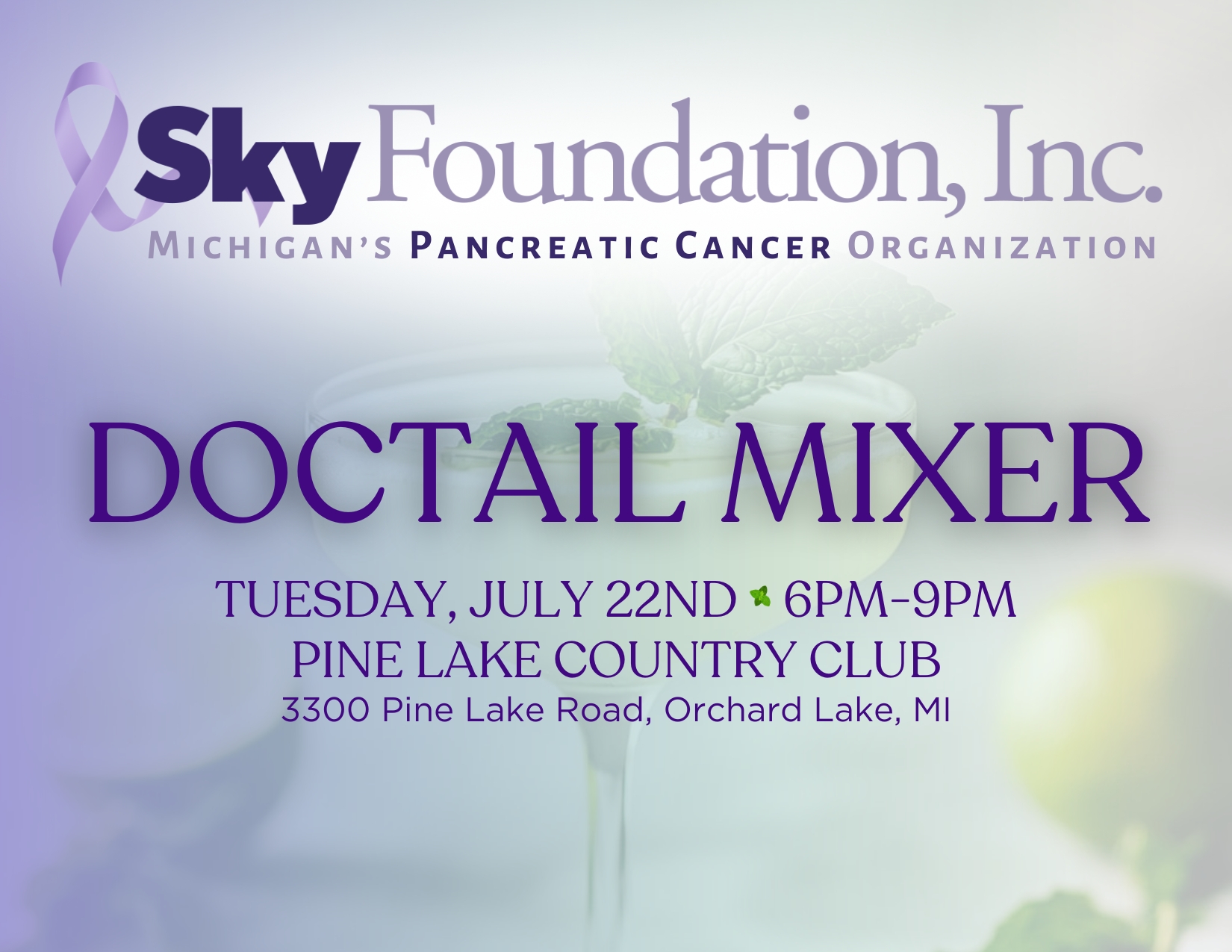
Doctail Mixer

Tuesday, July 22nd | Pine Lake Country Club 

Sip, network, and support! Our Doctail Mixer is a unique opportunity to connect with top medical professionals, researchers, and advocates in the pancreatic cancer space—all while enjoying a refreshing take on a classic happy hour.

The name “Doctail” is a playful nod to both the cocktails we’ll be sipping and the dock where we’ll gather, creating the perfect atmosphere for a lighthearted yet meaningful evening. Set against a scenic backdrop, this relaxed event offers the perfect blend of casual conversation and friendly competition, bringing together individuals who are passionate about making a difference.

Whether you’re a doctor, a supporter, or simply looking to enjoy a night out for a cause, the Doctail Mixer fosters collaboration and innovation in the fight against pancreatic cancer—one toast at a time. Cheers to progress, partnerships, and purpose! 🍸💜

CLICK HERE TO LEARN MORE & REGISTER

CLICK HERE if you are interested in becoming a featured DOCTENDER at our Doctail Mixer!

Night Sky Gala

October 16, 2025, 5:30pm-9pm | Colony Club Detroit 

Step into an evening of elegance, purpose, and inspiration at our annual Night Sky Gala—our largest and most impactful fundraiser of the year. This highly anticipated event brings together a dedicated community of supporters, including corporate partners, board members, and committee members who work tirelessly year-round to make this evening truly exceptional.

Held at a unique venue, this signature event features a gourmet dinner, live entertainment, an exciting auction, and heartfelt stories from those whose lives have been touched by pancreatic cancer. More than just a gala, it’s a night where leaders, advocates, and changemakers unite to drive real progress in early detection and research.

Join us as we honor our Stars in the Sky—researchers, advocates, and dedicated volunteers—who are lighting the way toward a future with earlier diagnoses and better outcomes. Your participation and generosity help fund critical research and awareness programs that have the power to save lives.


read more

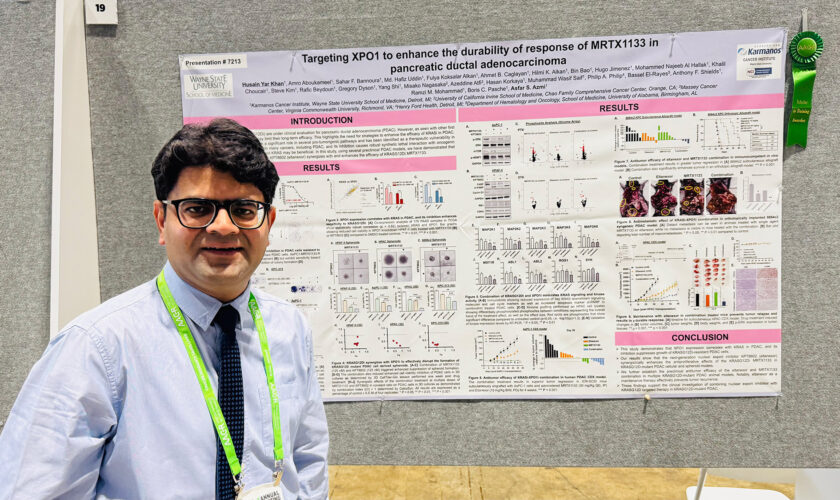
Karmanos, WSU Researcher Wins Scholar-in-Training Award, Presents KRAS Study Abstract at AACR Annual Meeting

Sky Foundation is proud to highlight the success of a rising cancer researcher from the lab of Dr. Asfar Azmi at Karmanos Cancer Institute and Wayne State University. Husain Yar Khan, Ph.D. was awarded the Ludwig Institute for Cancer Research AACR Scholar-in-Training Award at the 2025 American Association for Cancer Research (AACR) Annual Meeting—an honor given to the top 5% of submitted abstracts.

His research focuses on innovative KRAS-targeting therapies, a promising frontier in the fight against pancreatic cancer. Under the mentorship of Dr. Azmi—whose lab received early seed funding from Sky Foundation—this work represents a vital step toward clinical breakthroughs that could improve outcomes for patients with KRAS-mutant pancreatic cancer.

We are honored to have played a small part in helping advance research that is now being recognized on a global stage.

Read the full article here.

read more

Sky Foundation in Birmingham Names Annie Dalton as Executive Director

The Sky Foundation Inc. in Birmingham, a 501(c)(3) nonprofit organization that raises awareness for pancreatic cancer and funds scientific research toward early detection testing and treatment, has named Annie Dalton as its executive director.

Dalton has served at Sky Foundation for nearly eight years as director of events and programs.

“Annie’s deep institutional knowledge of Sky Foundation, strong leadership skills, and close community connections make her an ideal choice to guide the organization,” says Shannon Crone, president of the foundation’s governing board. “Her experience will help advance our mission to fund research, raise awareness, and support those affected by pancreatic cancer.”

Dalton says her goals at Sky Foundation include expanding awareness of pancreatic cancer and early warning signs to the public at large, highlighting racial health disparities, and connecting with new corporate partners to help fund early detection testing and treatment.

“I am proud and energized as I step into my new role of executive director at Sky Foundation,” Dalton says. “Pancreatic cancer is one of the hardest diseases to detect and defeat, but at Sky Foundation we’re not afraid to tackle the difficult. While my focus and commitment is on raising overall awareness, it is also to address health disparities and ultimately saving more lives. We’re reaching out to corporate partners and bold change makers who are ready to stand with us. Because behind every statistic is a life worth fighting for.”

Dalton is replacing Jody Skonieczny who is moving into a new position at an unrelated humanitarian nonprofit organization. Skonieczny joined Sky Foundation two years ago.

“Our board of directors is grateful for the excellent work of Skonieczny and we wish her the very best in her new position,” Crone says. “We are thankful that she is assisting in the smooth transition of leadership and know that she remains part of our Sky family. Our organization grew stronger because of her commitment over these years and we are set for even more success because of her exceptional work.”


Read the full article here.

read more

Key to the High Aggressiveness of Pancreatic Cancer Identified

Pancreatic cancer is one of the most aggressive cancers and has one of the lowest survival rates—only 10% after five years. One of the factors contributing to its aggressiveness is its tumor microenvironment, known as the stroma, which makes up the majority of the tumor mass and consists of a network of proteins and different non-tumor cells. Among these, fibroblasts play a key role, helping tumor cells to grow and increasing their resistance to drugs.

Researchers have identified a key protein, YAP1, that plays a major role in driving the aggressiveness of pancreatic cancer. By using mouse models and organoids, the study revealed that YAP1 activates a gene network responsible for the fast growth and spread of tumors—especially in the squamous subtype of pancreatic cancer, one of the deadliest forms. This breakthrough opens up new avenues for potential therapies that could target YAP1 to slow down or stop cancer progression.

Read the full article here.

read more

Disparities in Treatment/Survival Outcomes Observed in Metastatic PDAC

A new study published in Cancer highlights significant racial and socioeconomic disparities in treatment and survival outcomes for patients with metastatic pancreatic ductal adenocarcinoma (PDAC). Black patients and those with Medicaid or no insurance were found to be less likely to receive chemotherapy and had shorter overall survival compared to white patients and those with private insurance. These findings emphasize the urgent need for targeted efforts to address healthcare inequities and improve access to life-extending treatment for all PDAC patients.

Read the full article here.

read more

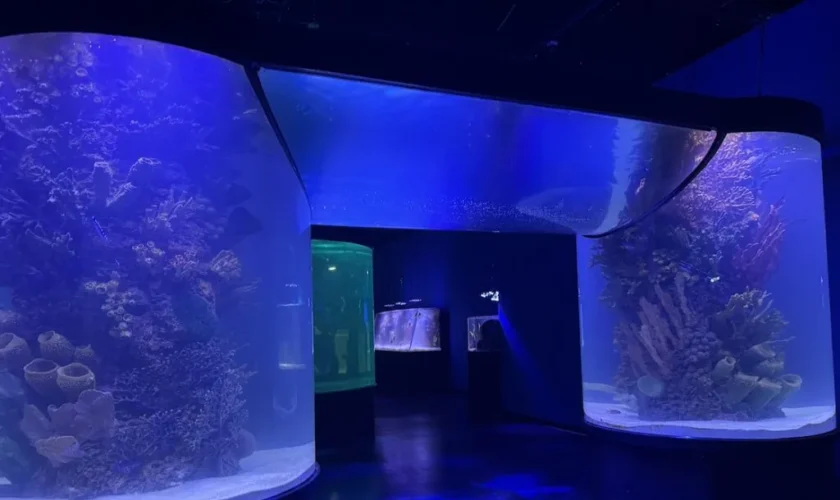
LegaSea Aquarium and Reptarium opens April 21, fulfilling the late Brian Barczyk’s dream

LEGASEA Aquarium and Reptarium officially opens its doors on April 21, bringing to life the vision of the late Brian Barczyk—a beloved Metro Detroit educator and YouTuber passionate about wildlife and conservation. The 30,000-square-foot facility in Utica, Michigan features immersive exhibits and hands-on animal experiences designed to spark curiosity and connection with the natural world. LEGASEA is more than just an aquarium—it’s a tribute to Brian’s enduring legacy of education, inspiration, and love for animals.

Read the full article here.

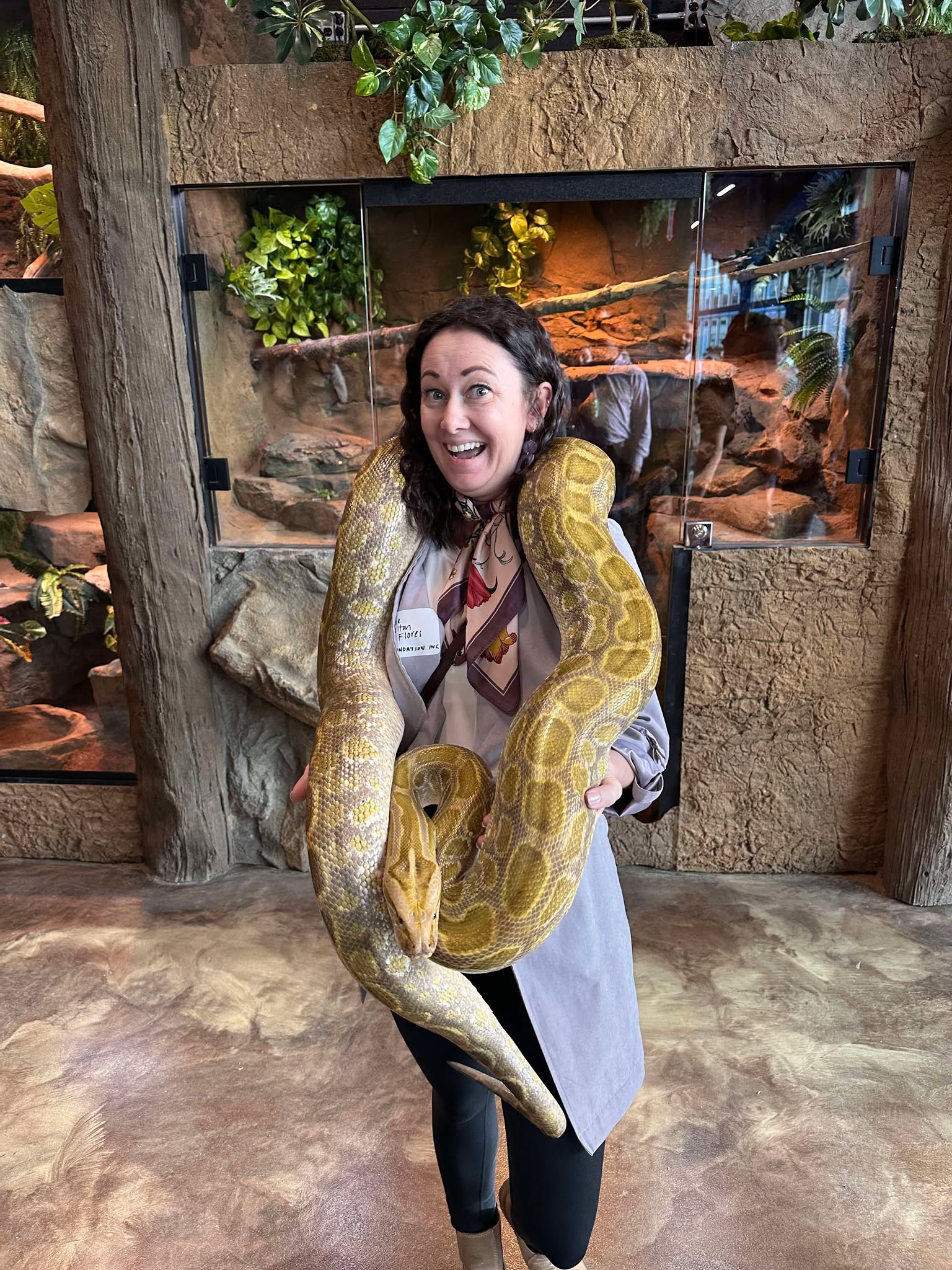
We had the chance to visit LEGASEA Aquarium with the Macomb Chamber last week for a special sneak peek—and it was truly unbelievable. From the stunning exhibits to the hands-on time with reptiles, every moment was unforgettable.

LEGASEA was created in honor of Brian Barczyk, and his dream has come to life in the most powerful way. While we’re deeply saddened by Brian’s passing from pancreatic cancer, we’re inspired by the incredible work his wife, Lori, and the entire Reptarium team are doing to carry his legacy forward.

read more

Tackling Pancreatic Cancer, Bench to Bedside

Biobank of tumor tissue and advanced molecular profiling steer researchers toward new targeted therapies

Other than a fleeting moment in high school when she thought about becoming a pianist, Eileen Carpenter, M.D., Ph.D., has always had a career in science and medicine in her sights.

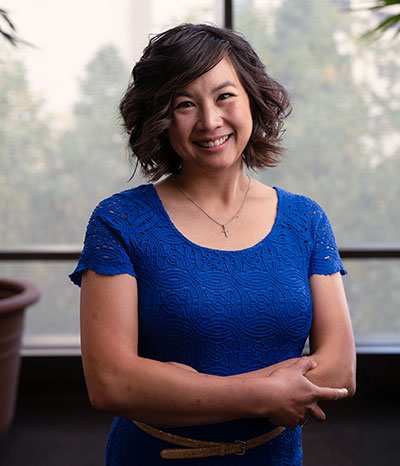
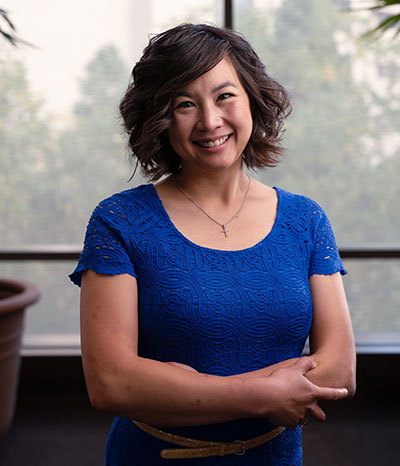
Eileen Carpenter is a young, Asian American woman

Eileen Carpenter, M.D., Ph.D.

Photo credit: Erica Bass

The daughter of a computer scientist and pharmaceutical research scientist, Carpenter had an early interest in science. But it was the untimely death of her mother, Lydia, to metastatic pancreatic cancer as Carpenter was starting high school that inspired her educational path and life’s work.

Now, Carpenter is a gastroenterologist who specializes in diseases of the pancreas. She sees patients at Rogel and the VA Ann Arbor Health System.

She also leads a translational research laboratory that studies pancreatic cancer at the molecular level—how it develops, metastasizes and eventually becomes resistant to therapy. Their goal is to identify new therapeutic targets and strategies to overcome chemoresistance so patients may live longer, healthier lives.

While much scientific progress has been made against the relatively rare disease—in the U.S., 1.7 percent of people will be diagnosed in their lifetime—the 5-year survival rate is only 12.8%, according to the National Cancer Institute.

About 90% of pancreatic cancers arise from precancerous lesions called pancreatic intraepithelial neoplasias, or PanINs, Carpenter says. Too tiny to be detected by traditional imaging techniques in clinical care, they can only be easily studied in resected pancreas tissue in the lab.

“We have found that PanINs are prevalent in most of the healthy population,” Carpenter says. “We all have them, but pancreatic cancer is relatively rare, so there must be something in these PanINs that triggers the progression to cancer.”

“That’s what we’re trying to uncover.”

Continue to read the full article here. 

read more

Breakthrough in Pancreatic Cancer Detection

A major step forward in pancreatic cancer research! Scientists at Oregon Health & Science University (OHSU) have developed a blood test that can detect pancreatic cancer with 85% accuracy—a significant advancement for a disease that is notoriously difficult to diagnose early.

Early detection is key to improving survival rates, and this breakthrough offers real hope for catching pancreatic cancer when treatment is most effective. As funding for research faces challenges, progress like this underscores why continued investment is so critical.

Read the full article here: New blood test identifies hard-to-detect pancreatic cancer with 85% accuracy | OHSU News

read more

Clinical Validation of Next-Generation Test for Early-Stage Pancreatic Cancer

Immunovia announces positive outcome and strong accuracy in the clinical validation of its next-generation test for pancreatic cancer

LUND, Sweden, Dec. 9, 2024 /PRNewswire/ — Immunovia (STO: IMMNOV), the pancreatic cancer diagnostics company, today announces the successful completion of the CLARITI study, (Clinical Validation of Next-Generation Test for Early-Stage Pancreatic Cancer) to detect early-stage pancreatic ductal adenocarcinoma (PDAC).

One key finding was Immunovia’s next-generation test was equally accurate in detecting both stage 1 and stage 2 pancreatic cancers, reinforcing its strength as an early detection test. It is still very early, but provides hope for early detection of pancreatic cancer in a control sample of  participants who have a family history or are genetically exposed. Click here to read more.

read more

Rogel Cancer Center receives $50M gift to revolutionize pancreatic cancer care, research

ANN ARBOR, Michigan — With a $50 million gift from Richard and Susan Rogel, the University of Michigan Health Rogel Cancer Center aims to revolutionize how the world detects, treats and ultimately cures pancreatic cancer.

The gift will create the Rogel and Blondy Center for Pancreatic Cancer in honor of Max Rogel and Allen Blondy, Richard and Susan Rogel’s fathers, both of whom died from cancer. It will provide support for clinical care and translational research, playing to the strengths of the Rogel Cancer Center’s current robust team of 60 doctors and scientists from 10 departments already working in this area.

The Rogels, longstanding supporters of the University of Michigan, gave $150 million to the cancer center in 2018, which led to the center being named in their honor.

The Rogel and Blondy Center for Pancreatic Cancer reflects a bold vision to provide resources around a specific disease to achieve transformative impact that cannot be supported by typical grant funding. In this case: doubling the survival rate for pancreatic cancer in the next 10 years. Click here to read more.

read more

Sky Is Proud to Announce Three $50,000 Seed Grant Recipients for 2024

$50,000 Grant Recipients for 2024

We are proud to announce our 2024 Sky Grant recipients. The process to achieve these awards is rigorous. Our esteemed Sky Scientific Advisory Committee  makes the final recommendations to the Sky Governing Board for approval.


Dr. Peter Wang, Massachusetts General Hospital/Harvard University

Post Doctoral Tenure

Research Title: Deciphering How Cancer-Induced Nerve Injury Affects Immune Responses in PDAC

Learn more about Dr. Wang’s research & bio here


Dr. Jiao Shen, Dana-Farber Cancer Institute/Harvard University

Postdoctoral/Non-tenure

Research Title: Identification of KRAS-specific TCRs from Human Peripheral Blood

Learn more about Dr. Shen’s research & bio here


Dr. Jurgis Alvikas, University of Pittsburgh Medical Center

Postdoctoral/Non-tenure

Research Title: Platelet RNA Signatures for Early Detection of Pancreatic Ductal Adenocarcinoma

Learn more about Dr. Alvika’s research & bio here 


SKY’S MISSION

Sky Foundation awards seed-money grants to scientists and clinicians from coast to coast who are pursuing research of great promise in the areas of early detection, prevention or treatment of pancreatic cancer. This start-up funding helps researchers get to the point in their work where they can successfully attract financial support from the National Institutes of Health and other national funding sources, and ultimately, be able to make a positive impact on the outcomes for pancreatic cancer patients.

Since its inception, Sky Foundation has funded over one million dollars in seed fund grants. Every year our researchers update us on the progress and their hope for the future.

Sky’s Impact on the Future

“Sky Foundation has been invaluable in enabling key aspects of my research. This support was crucial in uncovering the mechanisms behind cancer progression and metastasis. The grant has also been instrumental in preparing me for a career as an independent investigator, allowing me to oversee the entire experimental process. It has also paved the way for new research directions and the development of potential therapeutic targets, with two manuscripts now in preparation for publication.” – Despina Kalfakakou, PhD, 2023 Sky Grant Recipient

For more information on these researchers and all Sky researchers who are paving the way for the future, click here.  Also visit the Stars in Our Sky.


read more

Peter Wang, PhD | Massachusetts General Hospital

Peter Wang, PhD

Massachusetts General Hospital

Project Description: “Deciphering how cancer induced nerve injury affects immune responses in PDAC”

This project aims to investigate how nerve invasion by cancer cells, a process known as perineural invasion (PNI), affects immune system function in pancreatic cancer. Dr. Wang proposes to: 1) Determine how PDAC cells influence nerves and glia using 3D nerve invasion cocultures; 2) Examine how cancer-modulated nerves affects anti-tumor immune responses; 3) Test whether targeting nerve degeneration improves anti-tumor immunity. Ultimately, the goal is to find new combination strategies to enhance immune responses in PDAC, potentially improving treatment outcomes.

Dr. Peter Wang’s Bio: Dr. Wang completed his undergraduate studies in Biology at Cornell University. He received his PhD in Immunology from Washington University School of Medicine in St. Louis. For his PhD research, he investigated the transcriptional identity and function of macrophages and Schwann cells in peripheral nerve homeostasis and injury under the mentorship of Dr. Gwendalyn Randolph and Dr. Jeffrey Milbrandt. He is currently performing his postdoctoral research in the laboratory of Dr. William Hwang in the Center for Systems Biology at Massachusetts General Hospital, where he is studying the interplay between cancer, nerves, and the immune system in pancreatic cancer.

read more

Jurgis Alvikas, MD | University of Pittsburgh Medical Center, Department of Surgery, Division of Surgical Oncology

Jurgis Alvikas, MD

Complex General Surgical Oncology Fellow

University of Pittsburgh Medical Center

Project Description: “Platelet RNA signatures for early detection of pancreatic ductal adenocarcinoma”

Pancreatic ductal adenocarcinoma (PDAC) is an aggressive disease with poor prognosis and rising incidence. It is estimated to be the second leading cause of cancer-related death in the US by 2030. The only chance for long-term survival is surgical resection but only ~15% of PDACs are operable at the time of diagnosis. Effective methods of early detection of PDAC are therefore urgently needed. We hypothesize that circulating platelet RNA signature can distinguish patients with PDAC from patients with benign pancreatic diseases and healthy volunteers. Platelets contain a complex and dynamic repertoire of coding and non-coding RNA that respond to various stimuli. There is emerging evidence that circulating platelet RNA is altered in patients with neoplastic processes. In PDAC, several recent studies have shown significant transcriptomic and proteomic changes in circulating platelets. However, these studies were performed at a single institution and due to limited sample size, the findings have not been translated into a clinically useful tool yet. The present proposal will identify coding and non-coding platelet RNA signatures that identify PDAC and distinguish it from patients with benign pancreatic disease and from healthy volunteers. The results of this pilot study will serve as a foundation for development of larger prospective study that will validate the platelet RNA signatures.

Dr. Alvikas’s Bio: He was born in Trakai, Lithuania and emigrated to the US as a teenager. After high school in Chicago Public School system, he received my undergraduate degree at the University of Illinois at Urbana-Champaign and attended medical school at the University of Illinois at Chicago. He pursued General Surgery residency at the University of Pittsburgh Medical Center (UPMC) and am currently a Fellow in Complex General Surgical Oncology at UPMC. The motivation for his clinical and academic work comes from deeply personal experiences with cancer. His mom’s diagnosis of breast cancer sparked my interest in medicine and led him to pursue it as a career. His grandmother was diagnosed with and died from pancreatic cancer in 2022. Witnessing this deadly disease as a family member and not a healthcare provider reinforced the his sense of urgency towards pancreatic cancer research. Innovative and ambitious research projects are necessary to improve the lives of patients affected with this disease. His hope is to translate this investigation of platelet RNA signatures as an early detection method for pancreatic cancer into a clinically meaningful tool that we can use to find pancreatic cancer at an earlier stage and treat it more effectively. Under the mentorship of Dr. Randall Brand, an expert in pancreatic cancer diagnostics, the results of this Sky Foundation-funded study will serve as a foundation for larger future studies of biomarkers for pancreatic cancer detection.

read more

Jiao Shen | Dana-Farber Cancer Institute

Jiao Shen

Dana-Farber Cancer Institute

Project Title: “Identification of KRAS-specific TCRs from human peripheral blood”

We developed an efficient platform to detect KRAS-specific T cells in peripheral blood of patients with pancreatic cancer. Using a lentiviral expansion system in combination with mutant KRAS peptides, we enabled the high-throughput identification of KRAS-specific TCRs from PBMCs of pancreatic cancer patients and healthy individuals. Through in vitro stimulation and single-cell TCR analysis, we will quantify both CD4 and CD8 KRAS-specific TCRs in patients with a variety of HLA haplotypes.

Jiao Shen’s Bio:

Jiao’s research focuses on understanding how immune cells respond to or resist checkpoint blockade, aiming to identify potent therapeutic strategies for controlling primary tumors and preventing metastasis. As a graduate student, she engineered antibody-cytokine conjugates for local delivery of cytokine therapies to tumors. As a postdoctoral fellow in Stephanie Dougan’s lab, she aims to discover novel strategies to reactivate dysfunctional T cells and improve responsiveness to immunotherapies for patients with pancreatic cancer.

read more

Biden’s Moonshot Mission: Invests $150 Million in Cancer Research

President Biden and first lady Jill Biden touts the Biden Cancer Moonshot Initiative, which aims to boost funding research and treatment to prevent cancer deaths and help those living with the disease.

The Cancer Moonshot initiative has two main goals: to prevent 4 million cancer deaths by 2047 and to improve the experience of people affected by cancer.

Since then, the initiative has announced collaborations with the private sector, among them an effort involving the country’s largest health insurers, who have committed to expand access to services to help patients and their families in the U.S. navigate cancer treatments or screenings and $100 million for cancer prevention and treatment in Africa.

Cancer is the second-leading cause of death in the United States, with approximately 600,000 deaths annually, according to the Health and Human Services Department. A new cancer study found that male cancer cases are expected to rise by 53% globally from 2022 to 2050.

In particular, according to the American Cancer Society, for all stages of pancreatic cancer combined, the five-year rate is 13%.  In recent years, the survival rates have increased due to innovative medical research. It is important to continue investing in research to meet Biden’s goals.

To read more, click here.

read more

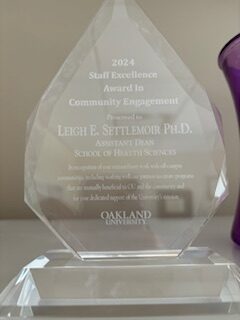
Sky’s very own Leigh Settlemoir Ph.D., MBA, SPHR earns Community Engagement Award


Congratulations to our very own Leigh Settemoir Ph.D., MBA, SPHR on receiving Oakland University’s Staff Excellence Award in Community Engagement.

Leigh is Assistant Dean of the School of Health Sciences at Oakland University, where she also teaches and conducts research in Human Resources and Higher Education Administration. Leigh plays such an integral part of Sky Foundation. Leigh joined the Board in June 2021, and currently serves as the Board’s liaison to Sky’s Scientific Advisory Committee. Leigh helps manage the annual seed grants evaluation, final awards, and distribution of funds to our researchers.

Leigh’s grandfather passed from pancreatic cancer with a diabetic precursor in 1995, and her father passed away from the same in 2009.  She approached Sky Foundation in order to support the early detection of cancer and to learn more about the warning signs to help the next generations.  She is always giving back to her community. We, at Sky, are thrilled she is a part of our community and celebrate her always. #pancreaticcancerresearch #communityengagement #oaklanduniversity


read more

Doc-tail Mixer on July 24th Featured in Hour Detroit

Sky Foundation, Inc. held its 2024 Doctail Mixer event at Pine Lake Country Club in West Bloomfield on July 24th. This event, which was open to ages 21 and older, featured cocktails and mocktails prepared by local doctors, a special introduction of those doctors, raffles, and more. All proceeds went to raising awareness and research funds for early detection of pancreatic cancer. View photos at Hour Detroit.
read more

Sky’s Doctail Drink Recipes

We are thrilled you joined us for 2024 Doctail Mixer at Pine Lake Country Club!

Feel free to make your favorite beverages at home and remember the great time you had at our event!

RECIPE:

  • 1½ounces gin
  • 1ounce lemon juice
  • ½ounce simple syrup
  • ½ounce Elderflower liqueur
  • Cucumber slices (muddled and toped with a slice)
  • Soda water to top


RECIPE:

  • 184 ml Traverse City Whiskey “American Cherry Edition”
  • 36 ml Simple Syrup
  • 8 ml Lambeth Groves Fresh Squeezed Orange Juice
  • 9 ml Angostura Bitters


RECIPE:

  • 6 pitted cherries
  • 3 basil leaves
  • .75 oz fresh lime juice
  • 1 oz simple syrup
  • 2 oz gin
  • 1 oz soda water

RECIPE:

  • 0.492 oz Lambeth Groves Fresh Lime Juice
  • 0.122 oz Lambeth Groves Fresh Squeezed Orange
  • 0.983 oz Lambeth Groves Fresh Lemon Juice
  • 2.712 oz Water
  • 1.967 oz Traverse City Whiskey Simple Syrup
  • 1.719 oz Traverse City Whiskey Cherry Whiskey

RECIPE:

  • 3 oz bourbon
  • 0.75 oz pear liqueur
  • 0.5 oz elderflower liqueur
  • Generous amount of cardamom bitters


RECIPE:

  • Ice cubes
  • 6 ounces vodka
  • 4 ounces lychee juice
  • Splash vermouth


RECIPE:

  • Strawberries
  • Blueberries
  • Blackberries
  • Raspberries
  • 1oz Simple Syrup
  • Lemonade, all natural
  • Perrier – Soda water
  • Fresh mint sprig and lemon slices and berries for garnish


MOCKTAIL RECIPE:

FOR THE SIMPLE SYRUP:

  • 1 cup water
  • 1 cup sugar or agave
  • 1 bunch mint leaves (about 1 cup fresh mint)


FOR EACH DRINK:

  • 3–4 mint leaves
  • 1–2 strawberries
  • 1–2 Tbsp. mint simple syrup
  • about 3/4–1 cup crushed ice
  • 1/4 cup limeade or lemonade
  • 1/4 cup sparkling water
  • Garnishes at station: fresh mint leaves, strawberries, lime slices, quartered

COCKTAIL RECIPE:

Equal parts:

  • Vodka
  • Chambord
  • Lemon-lime soda
  • Garnishes at station: Blackberries, mint leaves
read more

Scientists make DNA discovery that could help find pancreatic cancer cure

There is HOPE for new treatments after researchers find spread of disease is aided by shutting down of molecules in key genes.

Scientists have made a crucial DNA discovery that could help cure one of the deadliest cancers.

A team of researchers from the UK and US have found that pancreatic cancer is able to shut down molecules in one of the body’s most important genes, helping the disease to grow and spread rapidly.

Dr Chris Macdonald, the head of research at Pancreatic Cancer UK, which funded the study, said: “This project gives us new information on how pancreatic cancer is able to suppress certain molecules to help it spread aggressively around the body which, in turn, could lead to the development of more effective treatment options in the future.”

To read more, click here.


read more

2024 Sky Grant Application

Sky Foundation Seed Grant Application 2024

We award seed-money grants – with initial grants starting at $50,000 – to provide the essential funds needed by researchers to develop their projects to the point where they can compete and secure major funding from the National Institutes of Health and other national funding sources.

CALL FOR PROPOSALS – SEED GRANTS
DUE AUGUST 1, 2024

Sky Foundation announces its 2024 seed grant call for proposals. At least three $50,000 awards will be granted, judged to be the best application from each of three categories of applicants: 1) a postdoctoral fellow or non-tenure track faculty member; 2) a pre-tenured tenured track faculty member and 3) a tenured faculty member. The research must be in the field of pancreatic cancer. Studies intended to advance knowledge in the areas of pancreatic carcinoma, especially early detection and novel therapies, would be closest to the areas of interest for Sky Foundation. The funding must be for a project where the results lead to valuable preliminary data that could lead to a larger grant that would potentially be transformative.

Click here to review the full description of our call for proposals.

To begin the submission, please click here. You can also scan the following QR code:

For additional questions, please contact us at: Ekasselman@skyfoundationinc.org.

This form is currently closed for submissions.

read more

Rep. Sheila Jackson Lee passed away from pancreatic cancer

Rep. Sheila Jackson Lee, D-Texas, had announced a short time ago that she has been diagnosed with pancreatic cancer. She died on Friday, July 19th amid her battle with pancreatic cancer. She was 74.

The incidence of pancreatic cancer is higher in African Americans than in any other racial group in the United States. The age-adjusted incidence rate for Blacks is 15.9 per 100,000 people, while for Whites it is 13.4 per 100,000 people.

For more information, click here.


read more

2024 Sky Events

More than 66,000 Americans will be diagnosed with pancreatic cancer this year. With a survival rate of just 13%, finding a cure is critical.

At Sky Foundation, we are committed to taking on this challenge. Our mission is to raise awareness and fund innovative research for the early detection and treatment of pancreatic cancer. We help life-saving research get off the ground, knowing that any one of the research projects we support could be the one that leads to the breakthrough that ends pancreatic cancer for good.

Through fundraising events, social media and unique public awareness opportunities we seek to educate and raise funding for pancreatic cancer research. We also stress the importance of genetic counseling, when to seek medical attention and potential risk factors and symptoms related to this disease.

We have an ever-growing community with patients, survivors, family members, and loved ones that come together to support one another and our cause.

The researchers are the backbone of helping us find a cure to pancreatic cancer.

Sky awards seed grants for pancreatic cancer medical research, which provide initial funding to researchers for exploratory studies. these grants support innovative ideas, gather preliminary data, and encourage scientists to pursue their research further. such funding plays a crucial role in kickstarting early-stage investigations and supports new approaches that will potentially lead to more significant research opportunities that may one day be the breakthrough to cure pancreatic cancer.

Join us in making a difference and showcasing your dedication to supporting Sky Foundation in this vital cause. Whether you’re a supporter, participant, or sponsor, your involvement speaks volumes to your clients, customers, and constituents. Sky Foundation provides numerous avenues for you to connect with our mission and display solidarity with the pancreatic cancer community. We invite you to explore the diverse opportunities available and consider partnering with us for any or all of our upcoming events. Together, we can make a meaningful impact and bring hope to those affected by pancreatic cancer.

THE SKY MOVEMENT

JUNE 2ND – 9TH | A GLOBAL EVENT 

Sky Movement unites supporters across the world through a week of activities. Participants can join or host a team, creating meaningful and fun events in their own community. From walking or biking events to corn hole tournaments and potlucks – the sky is the limit on how teams bring family, friends, and neighbors of all ages together to raise awareness and funds for Sky’s mission. Individuals may participate on their own as well, harnessing the power of social media to spread the word and raise pledges to fund research. We anticipate 500+ participants.

THE SKY MOVEMENT: PICKLEBALL EDITION

JUNE 2ND & JUNE 23RD | ANN ARBOR, PONTIAC & WEST BLOOMFIELD

Michigan pickleballers come in dinking and smashing to support pancreatic cancer research! With several pop-up locations, the pickleball events expand the Sky community to all who like to have fun and stay active while supporting a great cause. Everyone is welcome, from kids to seniors, experts to those who have never picked up a paddle. The inaugural event in 2023 saw a sold out crowd of 70 people. Having two locations will allow us to more than double the capacity in 2024.

SKY’S DOC-TAIL MIXER

JULY 24TH | PINE LAKE COUNTRY CLUB

At Sky’s Doc-tail party, a variety of doctors will trade their white coats for bar aprons as they present their favorite cocktails and mocktails, serving as our volunteer “mixologists” for the evening. Attendees will critique samples and vote for their favorite cocktail or mocktail while enjoying appetizers and atmosphere. This 21 + event brings in age ranges of 25 and up, with around 100 attendees.

Website coming soon!

NIGHT SKY GALA

NOVEMBER 7TH | THE HENRY FORD 

The Night Sky Gala is the Sky Foundation’s largest and most prestigious event, drawing an audience of nearly 300 supporters including individuals, healthcare professionals and corporate partners. Hosted at the Henry Ford Museum, the event features raffles, auctions, cocktail hour, dinner, and conversation that is educational and entertaining.
Website coming soon!

read more
1 2 3 6
Page 1 of 6
Donate Now